
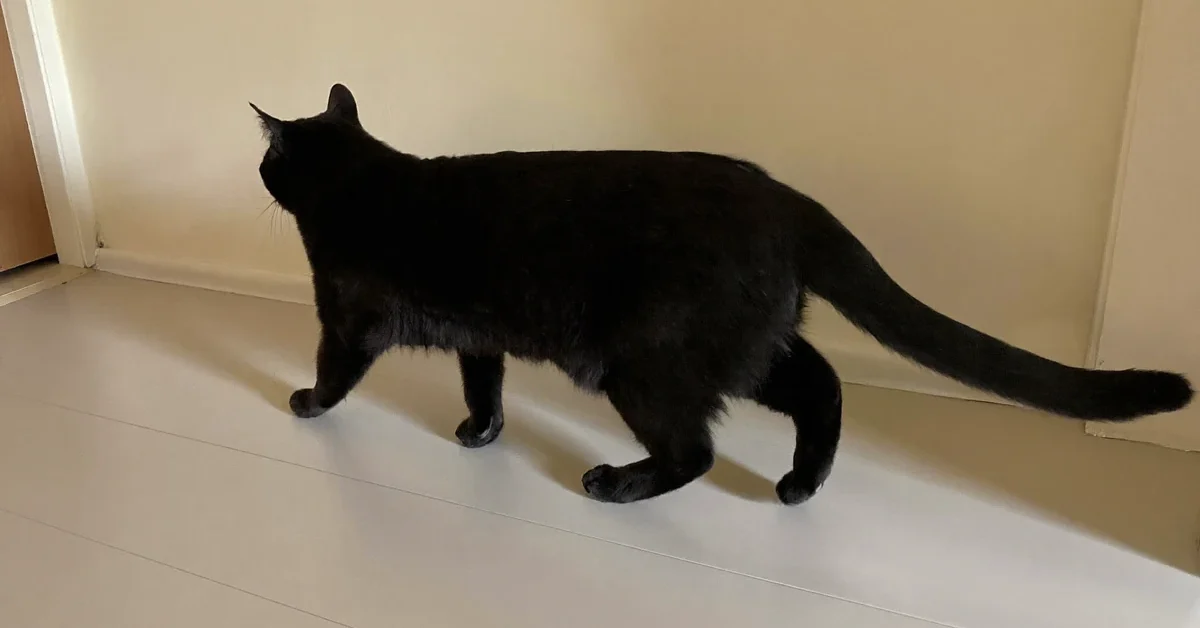
Why Do Cats Have Tails?
A cat’s tail helps with movement and communication. Understand its contribution to balance, the rest of the system, and cats with short or absent tails.
A cat’s tail helps with movement and communication. Understand its contribution to balance, the rest of the system, and cats with short or absent tails.
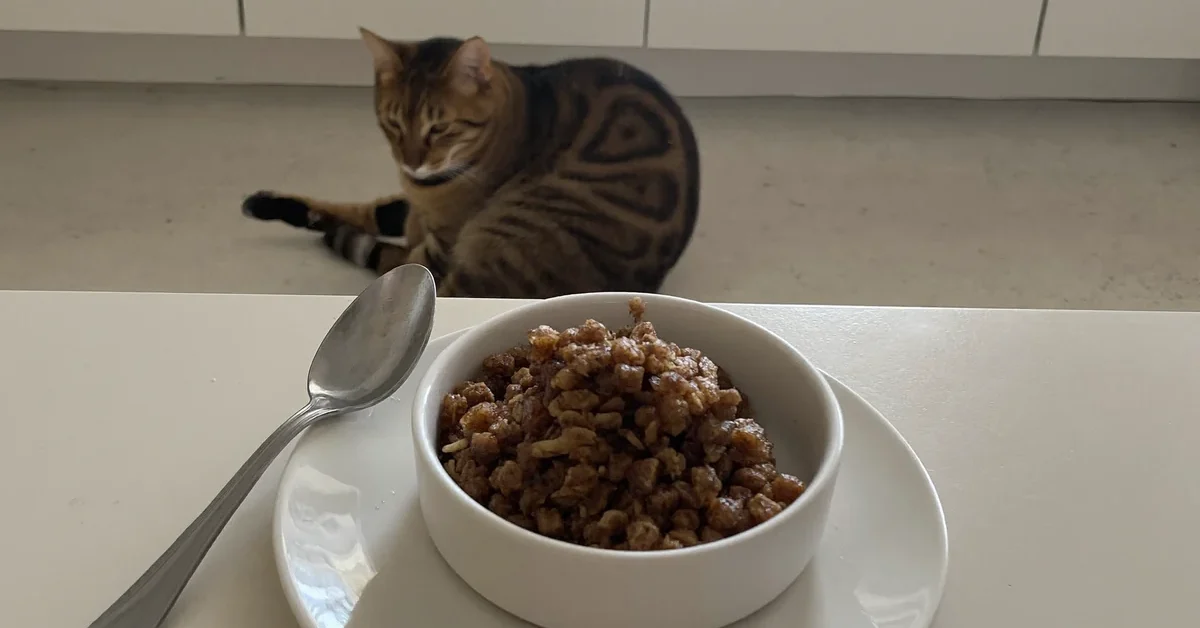
Check whether a refrigerated serving is suitable to warm, choose a method permitted for that food, and handle temperature checks and leftovers without repeatedly warming the stored supply.
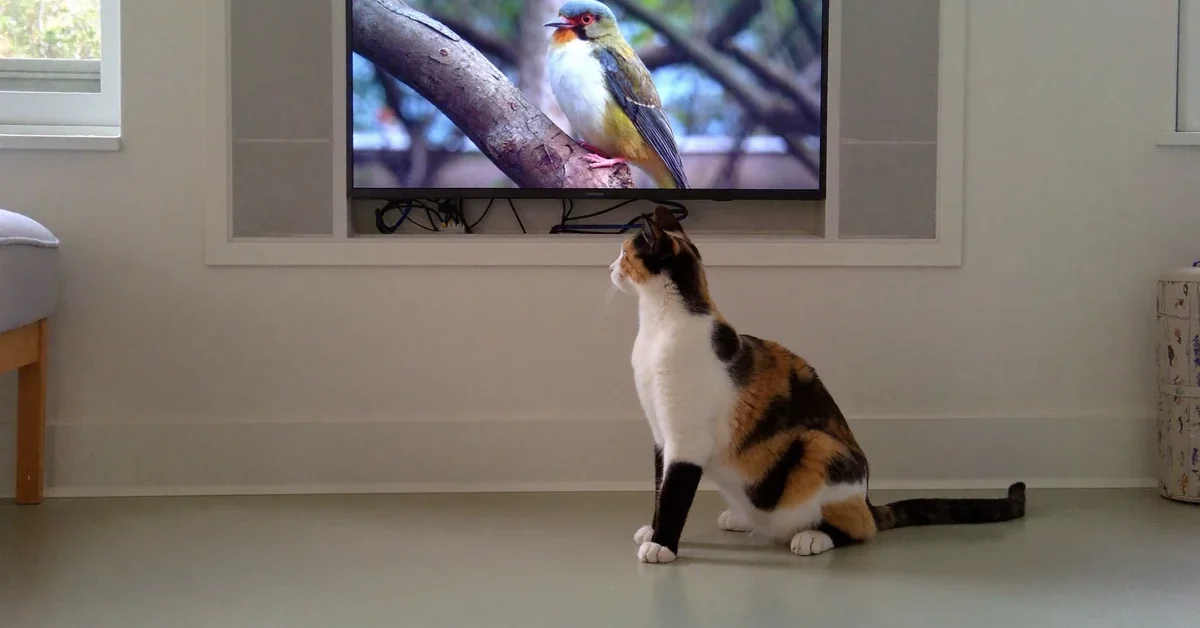
Bird footage is optional. Use this try-or-skip guide to check the viewing setup, allow your cat to leave, and decide when to stop or choose catchable play instead.
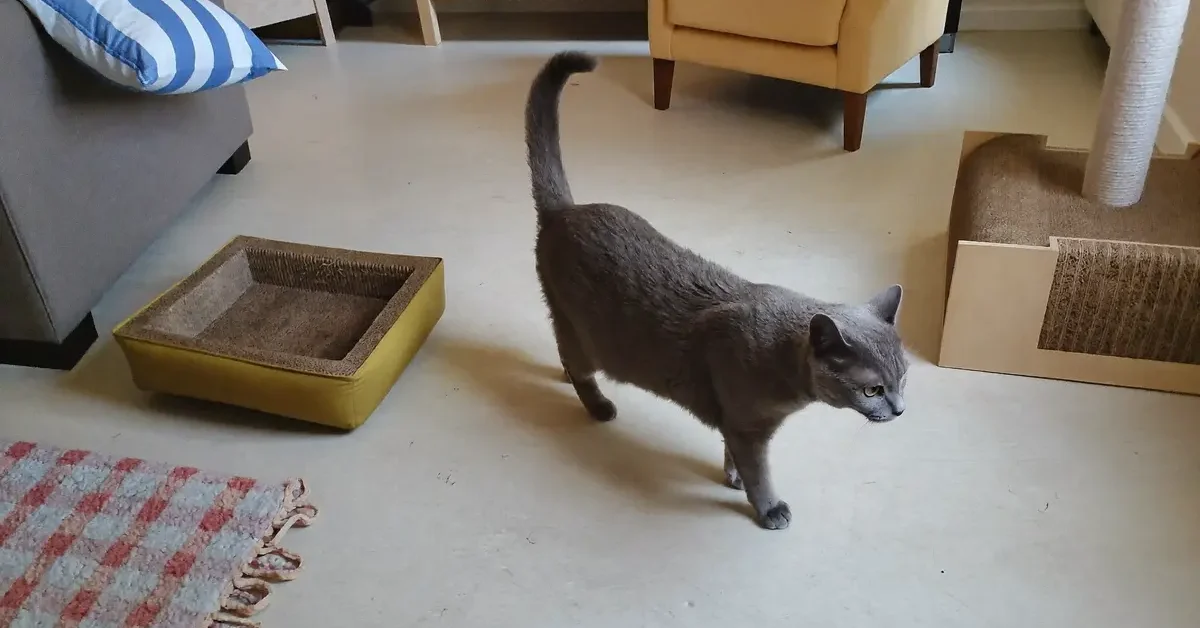
A practical guide to changing a room’s layout while preserving your cat’s familiar resources, usable routes and resting choices, with checks for problems afterward.
How to Help Your Cat Adjust to Rearranged Furniture Read More »
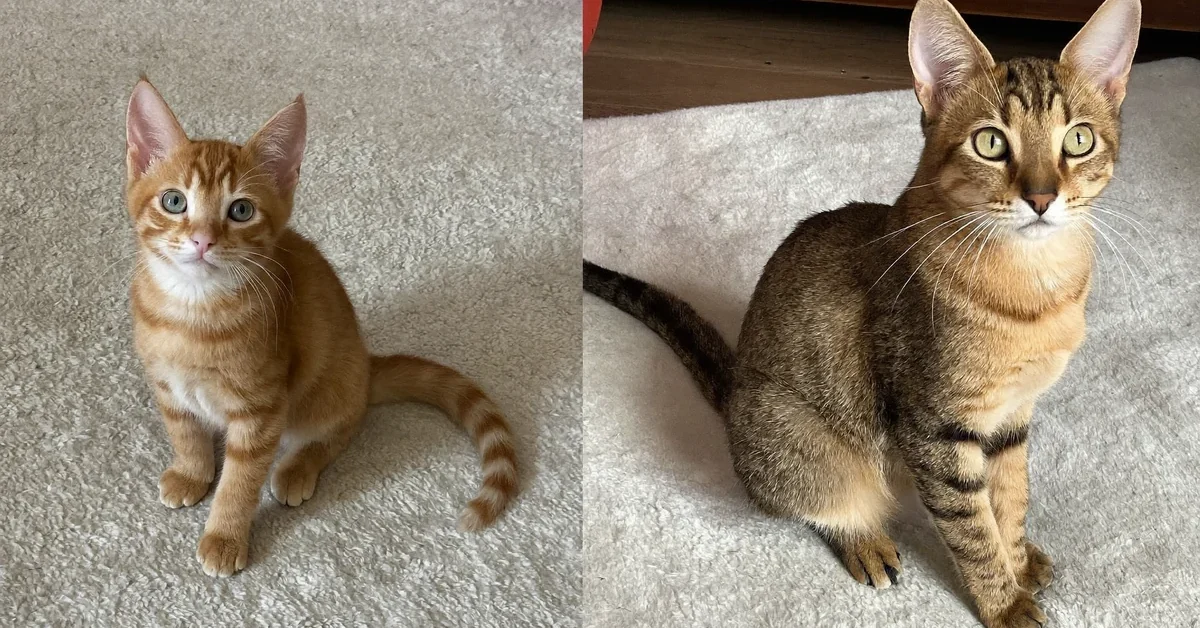
The right age depends on the care you can offer and the individual cat. Compare daily demands, known history, and household fit, with two examples that show how a preference can change.
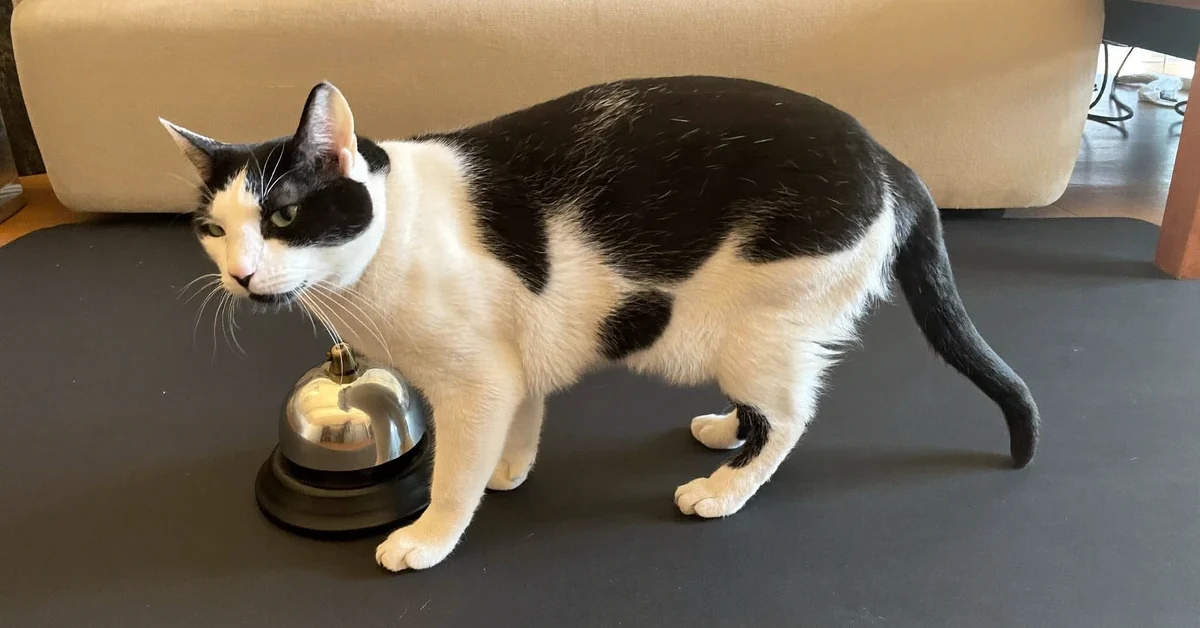
Introduce a stationary bell at your cat’s pace, shape willing contact into a ring, and use a clear reward and reset. Includes equipment checks, sound-comfort guidance, and help for light touches, repeated ringing, and chewing.
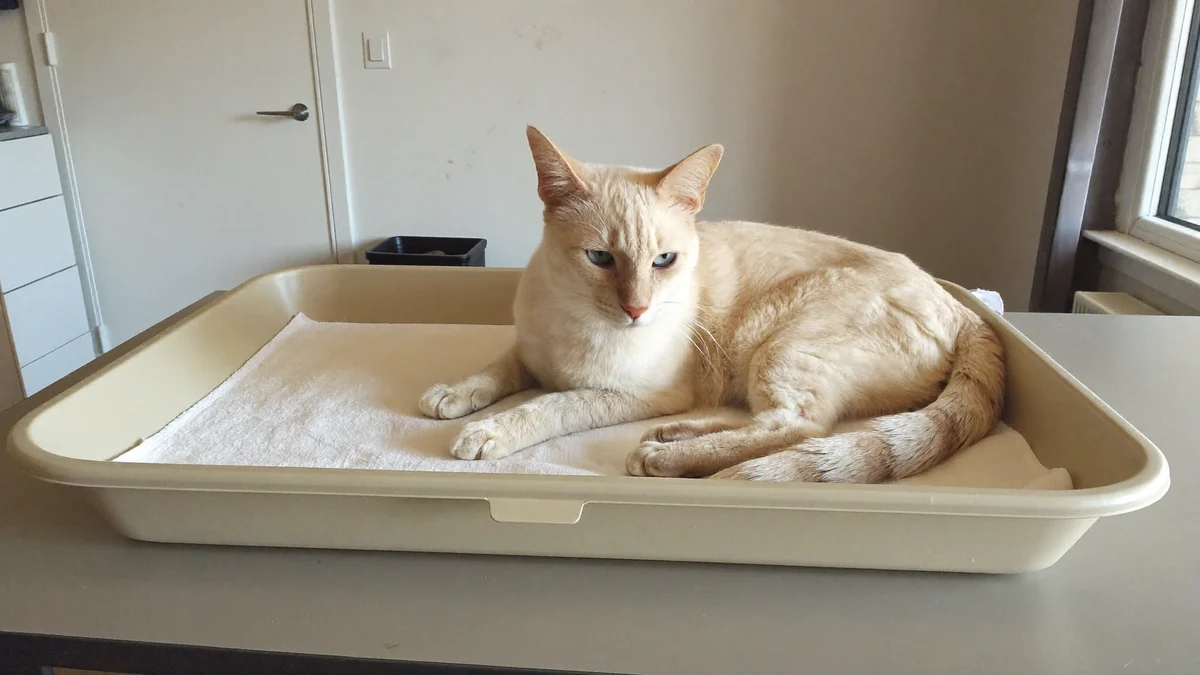
A useful veterinary shortlist balances your cat’s needs with care you can actually reach. Compare handling, access, communication, estimates, and after-hours arrangements before you book.
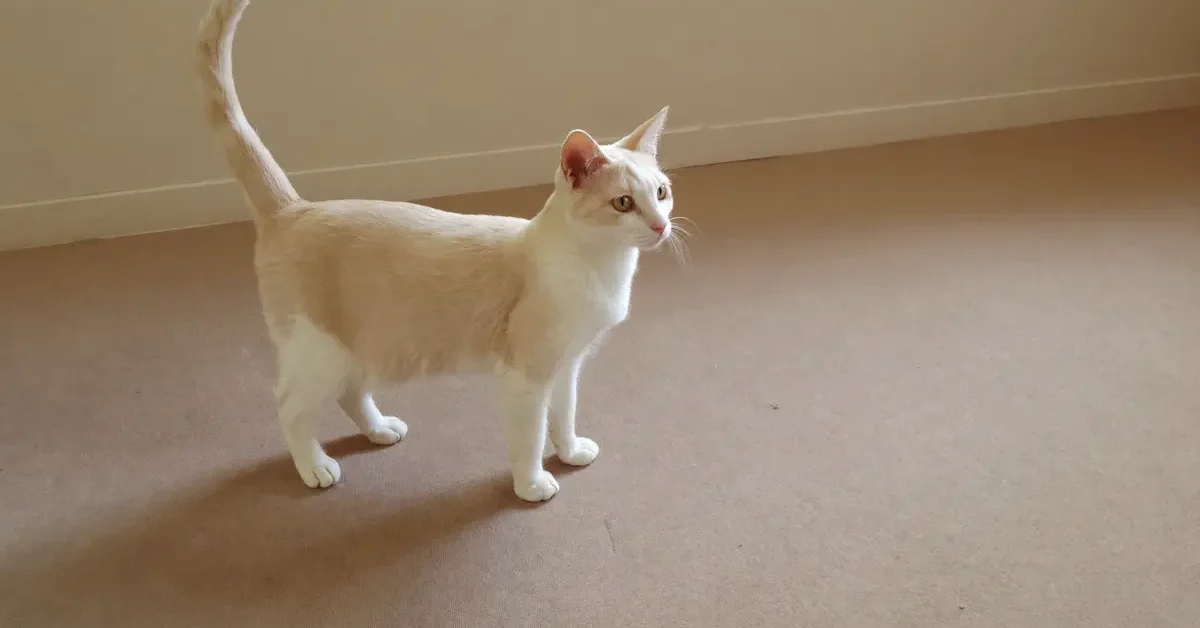
Build a comfortable sit-to-stand response with rewards and a clear cue. This practical lesson explains timing, reducing your movement, and adjustments when your cat stays seated or walks forward.
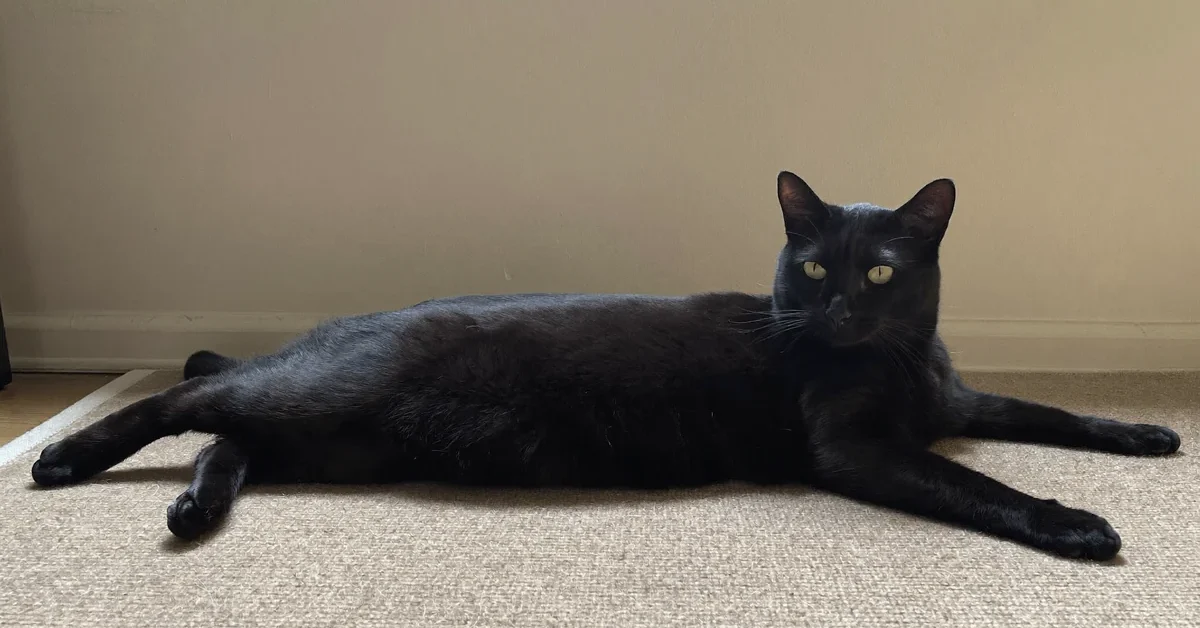
A practical guide to a voluntary down cue, with two starting routes, a worked shaping example, and adjustments for cats who stand, paw, hesitate, or leave.
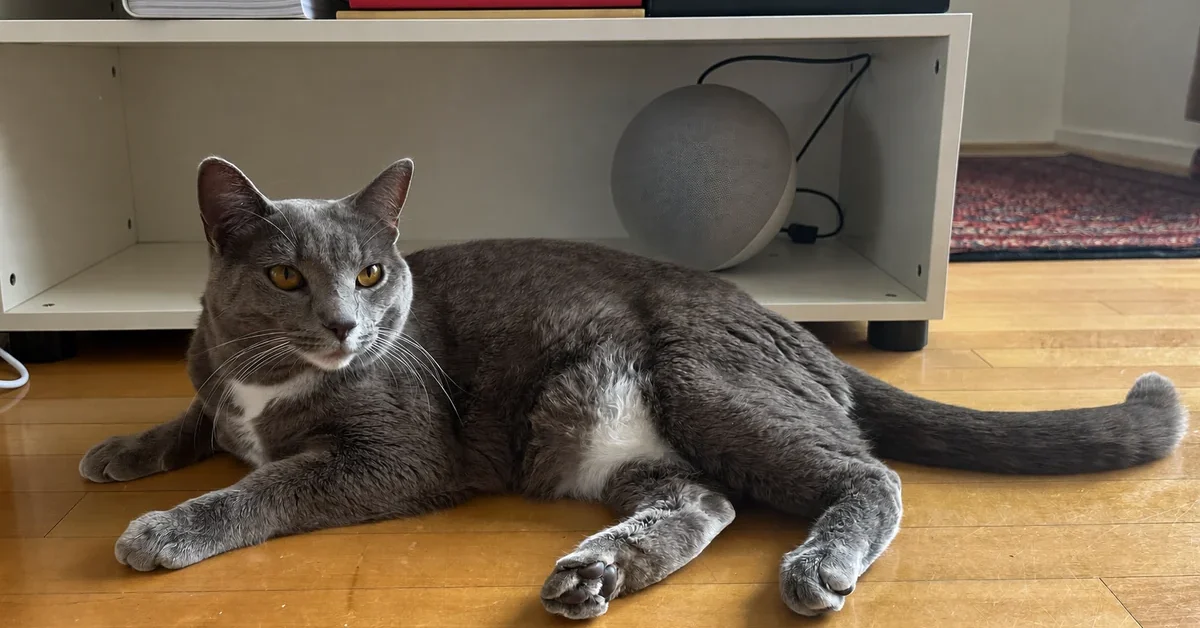
Music studies offer a mixed picture. Learn what their results mean for your home, how to compare quiet with gentle playback, and which responses are reasons to stop.