
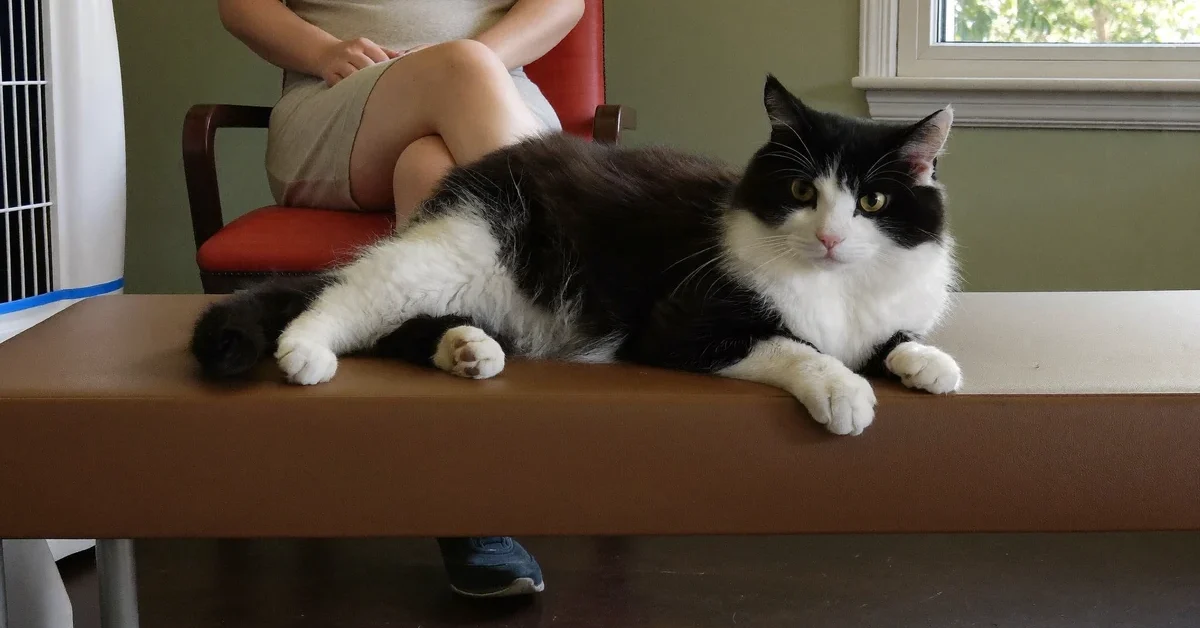
What to Ask a Shelter Before Adopting a Cat
A practical guide to asking about an individual shelter cat, understanding the limits of the available information, and deciding what to clarify before adoption.
A practical guide to asking about an individual shelter cat, understanding the limits of the available information, and deciding what to clarify before adoption.
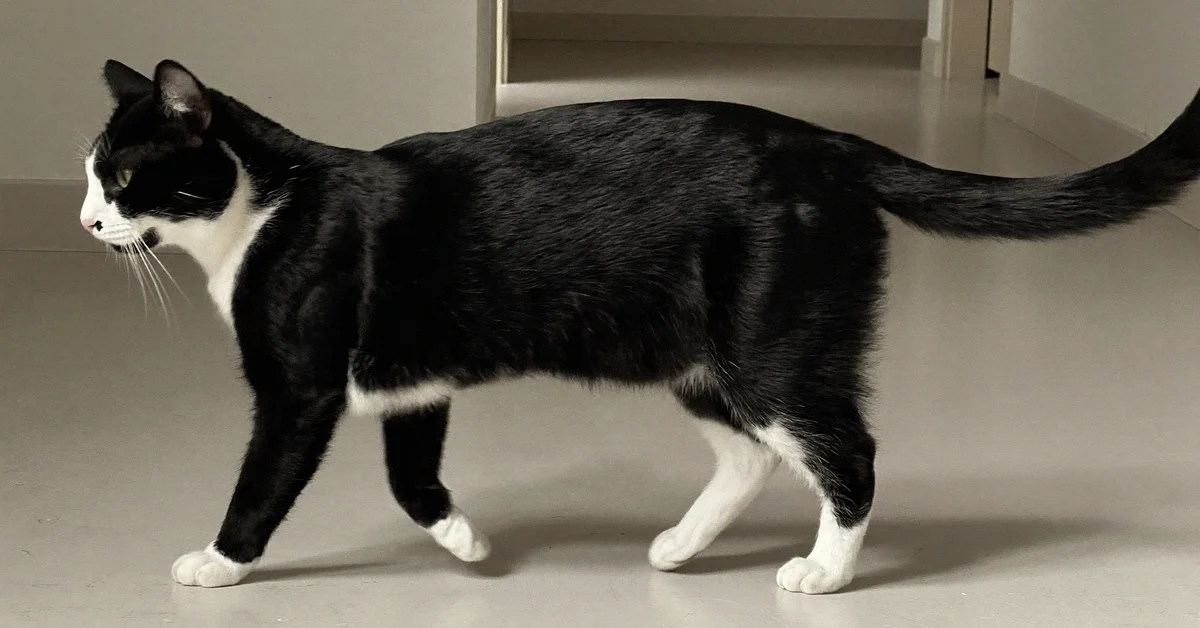
A cat’s paw is the padded contact end of a longer, raised foot. Discover what digitigrade posture means, where the heel sits, and how the arrangement contributes to movement.
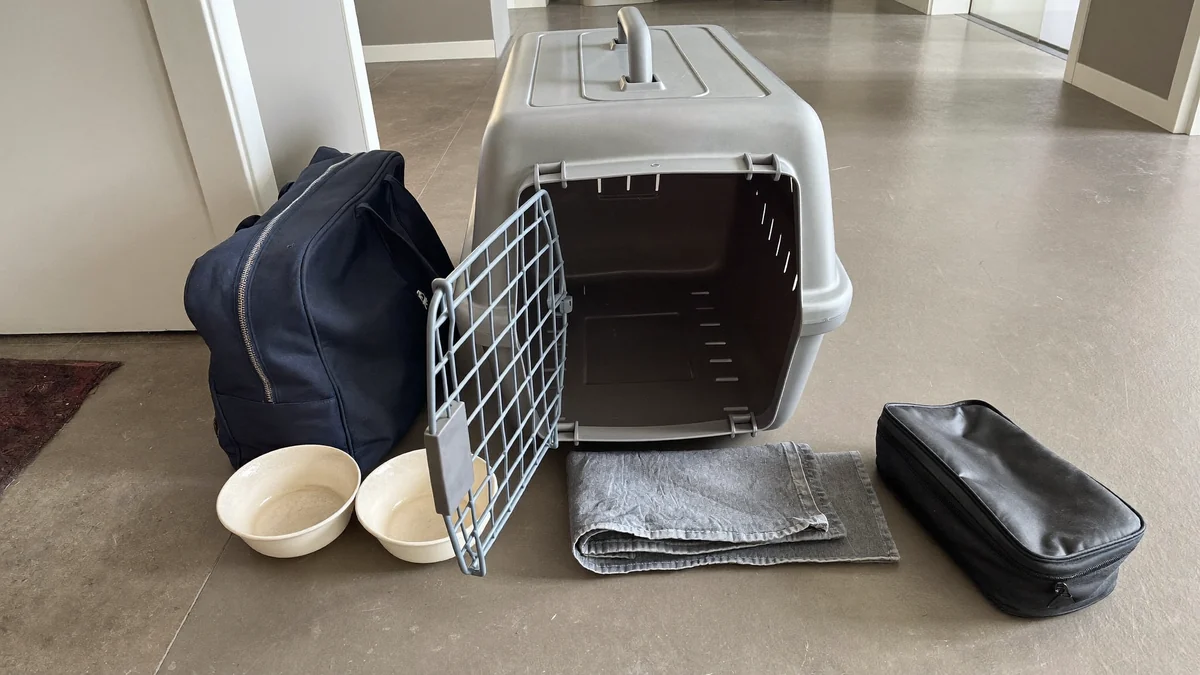
Build an emergency kit that you or an agreed backup can find and carry. Prepare supplies, current records and identification, a suitable carrier, and an individual medication-storage plan.
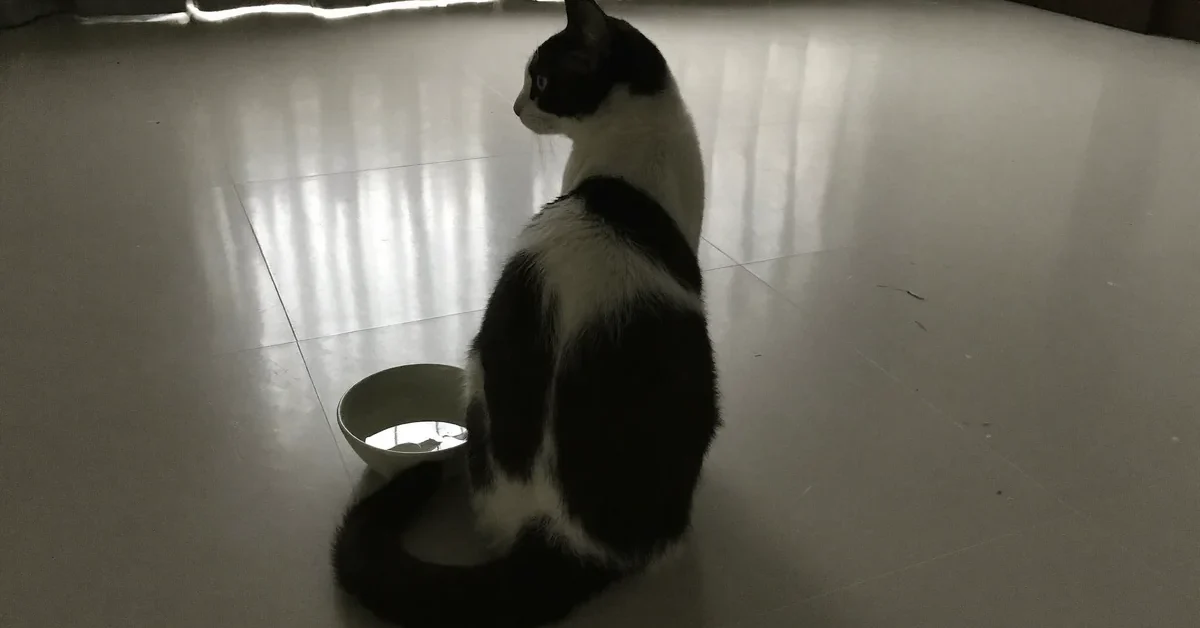
Build a practical hot-weather routine around accessible shade, water, safer room conditions, and voluntary resting choices. Suspected heat illness needs immediate veterinary advice.
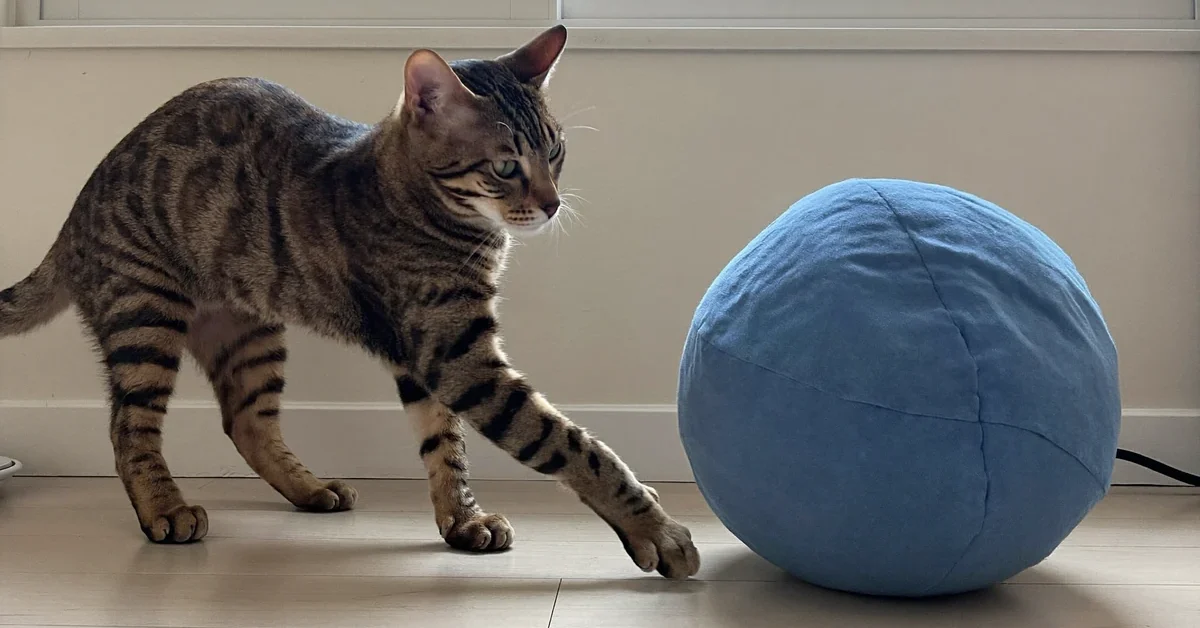
Many cats favor one front paw in particular activities. Learn what studies show, why the task matters, and why paw choice cannot diagnose personality or explain a new limp.
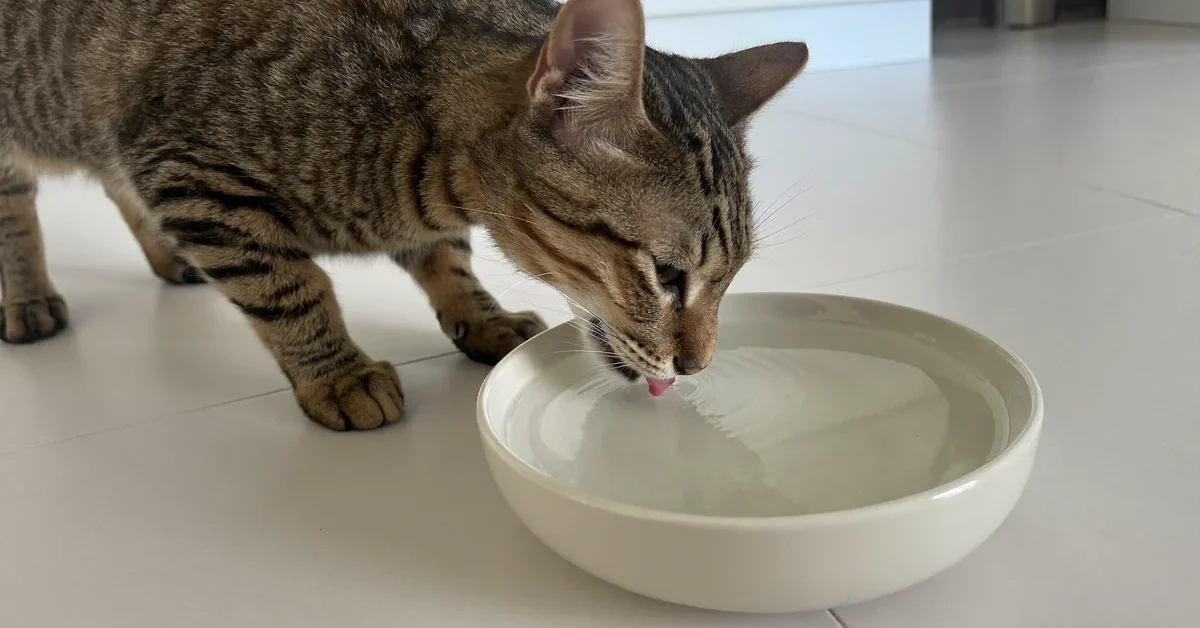
A cat does not simply scoop water in its tongue. Follow the contact–lift–capture sequence and understand the difference between filmed behavior and the models explaining it.
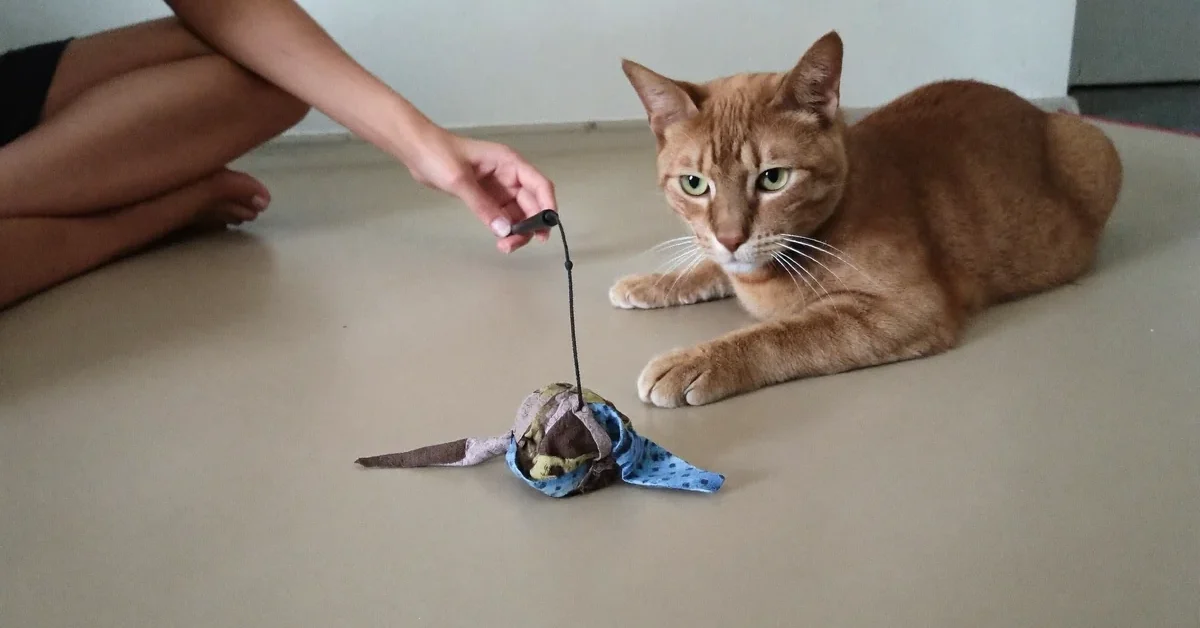
For a cat with assessed hearing loss and usable vision, make the invitation visible and the game voluntary. Learn how to offer a catchable toy, adapt movement, and recognize when to stop.
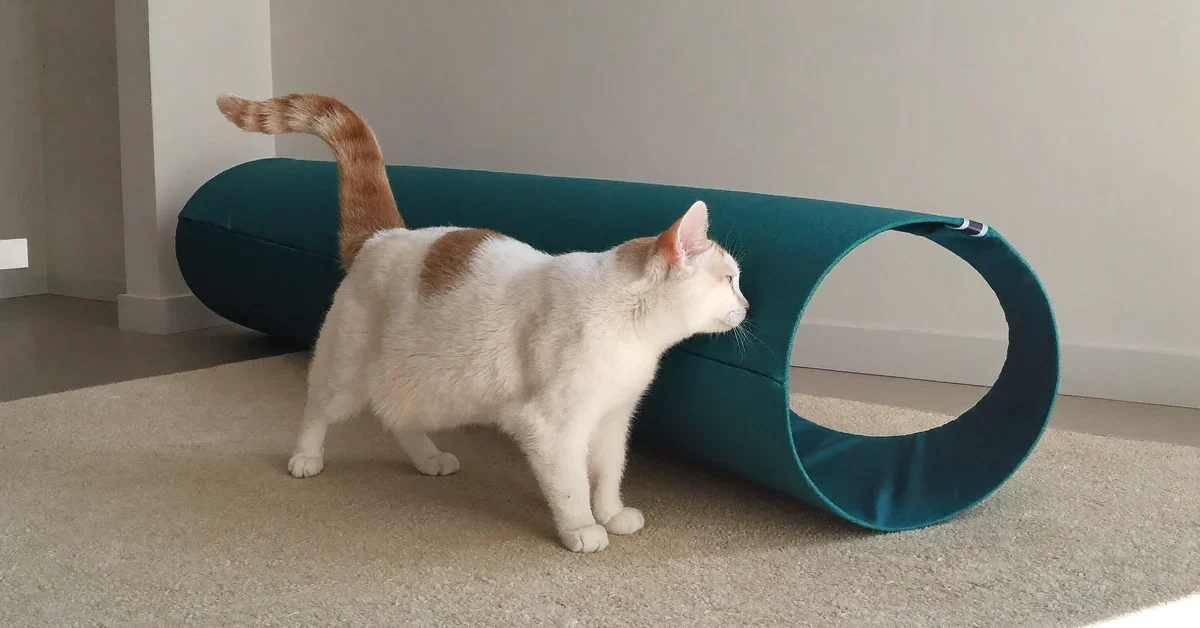
Build a willing walk through a tunnel, starting with an easy approach and partial entry. Learn where to reward, when to add a cue, how to fade prompts, and when to pause.

Plan household cleaning around the actual product directions. Keep your cat away from sprays, wet surfaces, residues, and waste, and know when to seek urgent professional advice.
How to Use Household Cleaners Safely Around Your Cat Read More »
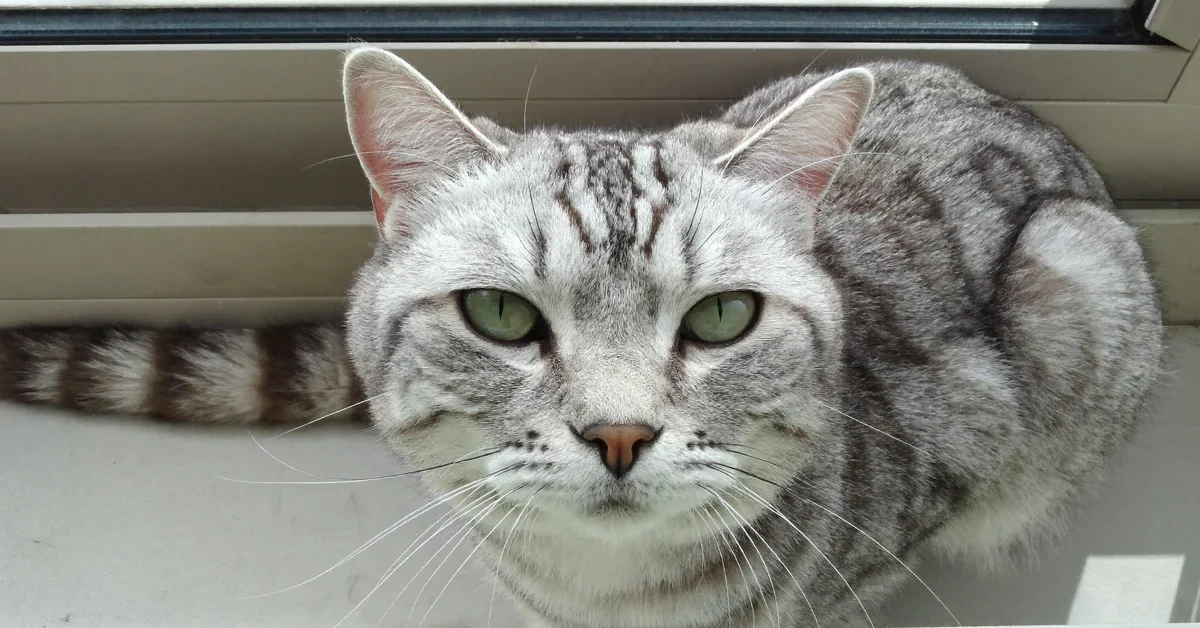
Cats’ pupils change with light, but why do they narrow vertically? Explore the light-control role and the proposed link between pupil shape, blur, and hunting distance.