
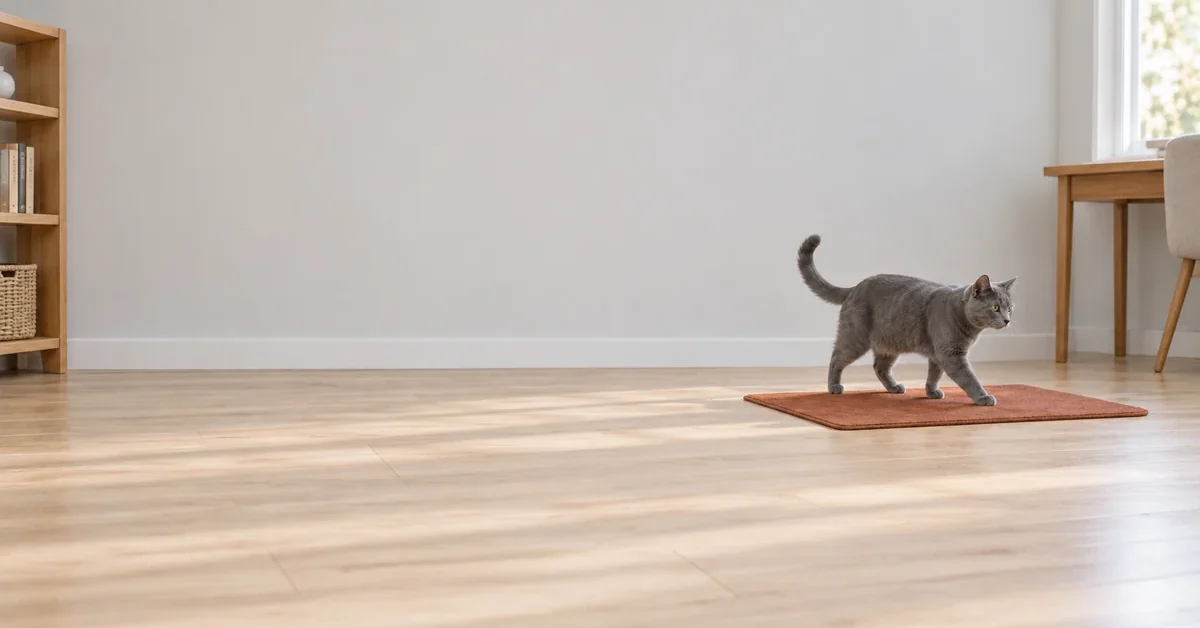
How to Teach Your Cat to Go to a Mat
Help your cat learn a portable mat cue through voluntary approaches, well-placed rewards, a clear release, and gradual practice with distance and new rooms.
Help your cat learn a portable mat cue through voluntary approaches, well-placed rewards, a clear release, and gradual practice with distance and new rooms.

A breakaway collar can provide visible identification, but suitability, fit, release limits, and regular checks matter. Here is how to assess the decision.
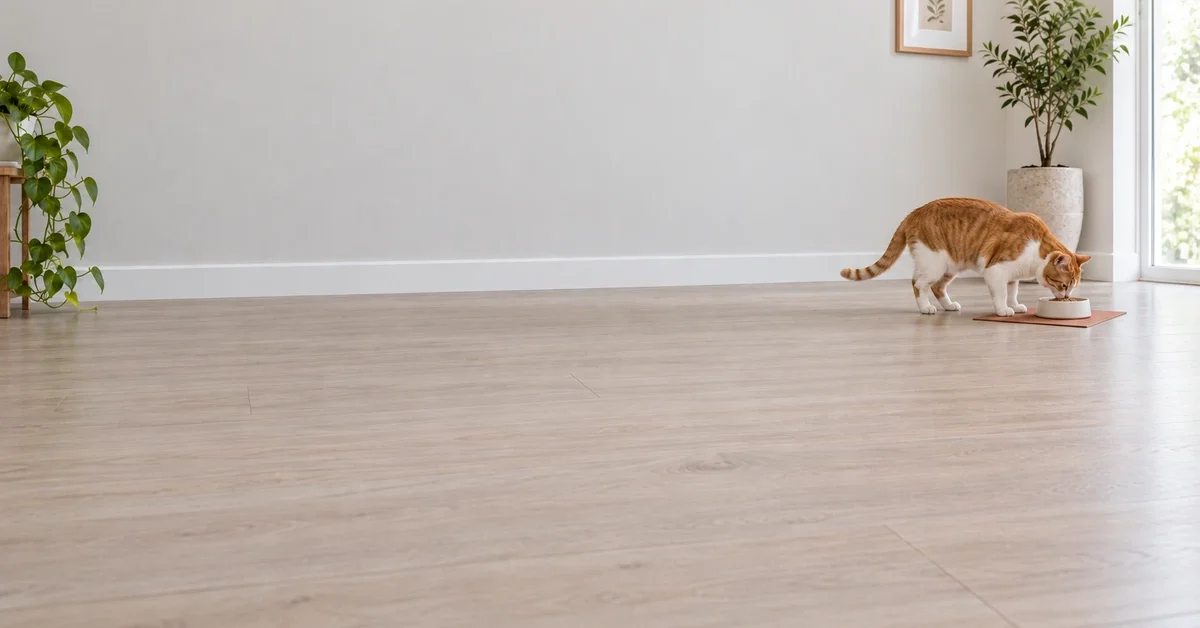
Cats lack a working conventional sweet receptor. That explains sugar indifference, but interest in a human food still has several possible explanations.

Compare ramps and pet steps by the complete route your cat needs to use, including footing, transitions, and the option of a floor-level resting place.
Cat Ramps or Pet Steps: Which Is Better for Your Cat? Read More »

Whiskers give cats information about nearby surroundings. Learn how these sensory hairs work, what their movements can tell you, and how to protect them.

Separate practice can give each cat a clearer learning opportunity. Organize the room, rewards and changeovers around every cat’s comfort.
How to Train Cats Separately in a Multi-Cat Home Read More »

Hissing after a vet visit can reflect unfamiliar cues, tension, or discomfort. Learn how to protect recovery, separate cats safely, and recognize when veterinary help comes first.
Why Does My Cat Hiss at My Other Cat After a Vet Visit? Read More »

Research supports cats distinguishing their owner’s voice, often through subtle ear or head movements. Learn how recognition differs from word understanding, affection, and coming when called.

Clean your cat’s bed by following separate instructions for its cover, filling, and base. Remove hair, wash or spot-clean as permitted, dry every layer, and inspect before reuse.
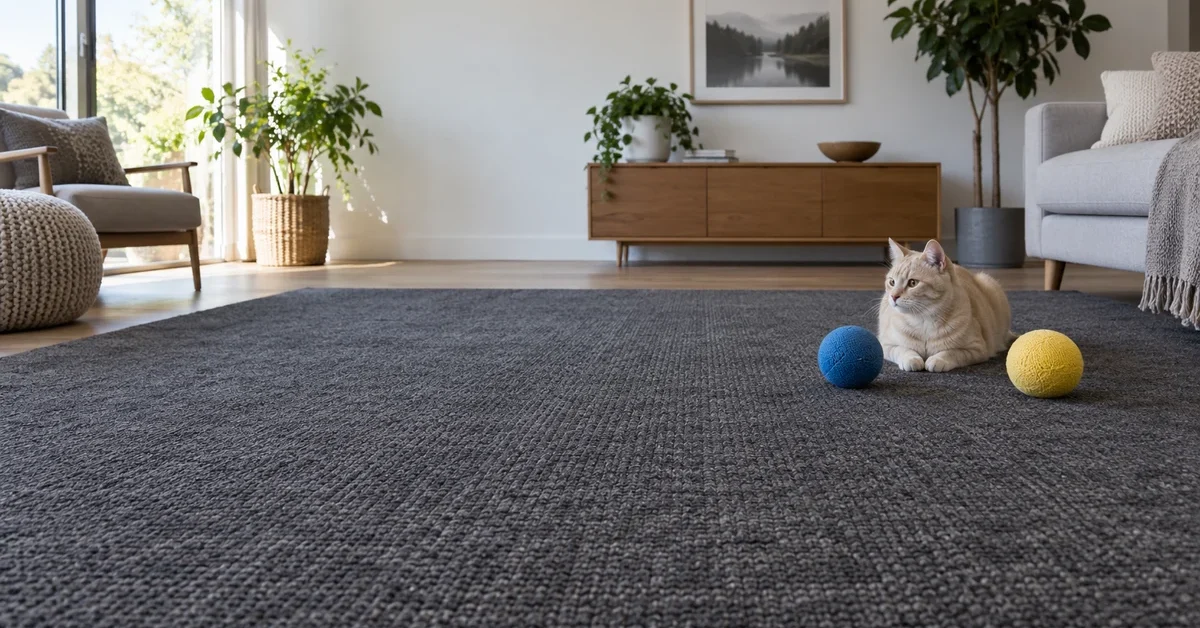
Cats can distinguish some colors, but color, brightness, contrast, and toy preference are different questions. Explore what the evidence shows and where certainty ends.