
How Do Cats Hear?
Follow sound through a cat’s ears and discover how hearing, direction, and attention work together without exaggerated comparisons or home hearing tests.
Follow sound through a cat’s ears and discover how hearing, direction, and attention work together without exaggerated comparisons or home hearing tests.
A cat’s sense of smell helps it gather information about its surroundings, food and other animals. Explore what that means in everyday life.
A cat’s tail helps with movement and communication. Understand its contribution to balance, the rest of the system, and cats with short or absent tails.
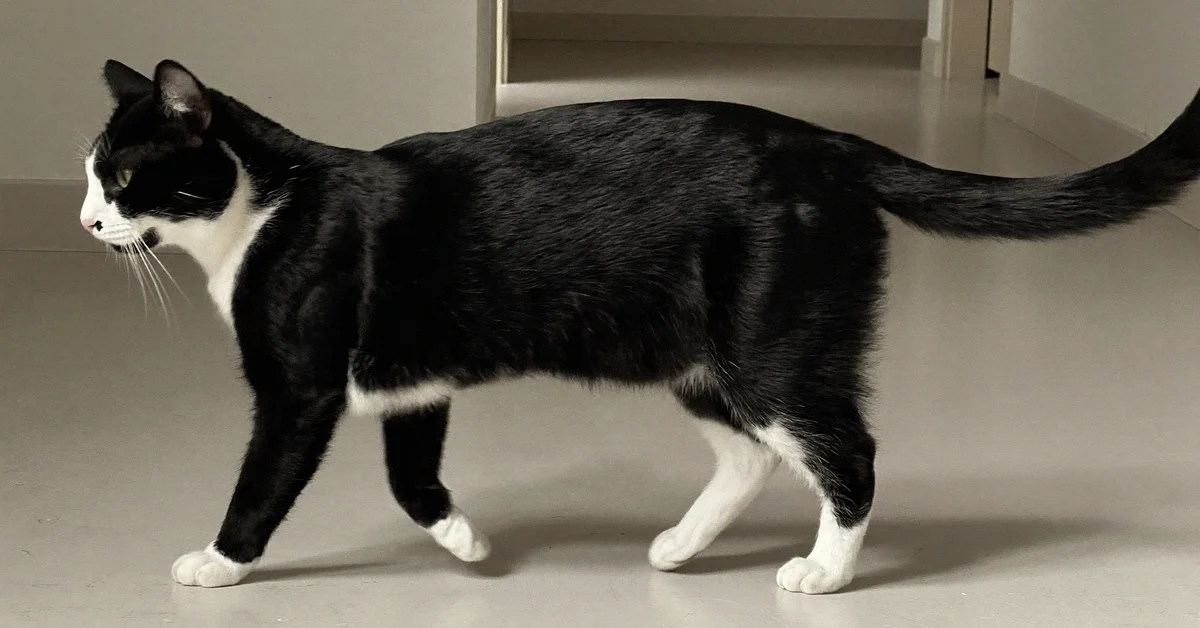
A cat’s paw is the padded contact end of a longer, raised foot. Discover what digitigrade posture means, where the heel sits, and how the arrangement contributes to movement.
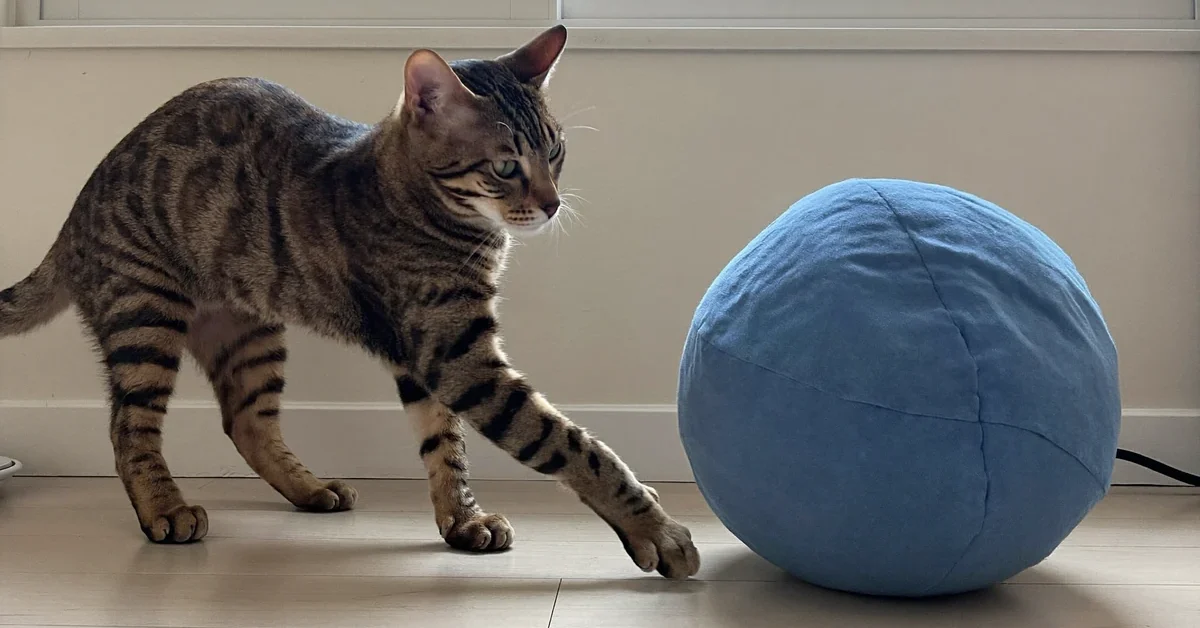
Many cats favor one front paw in particular activities. Learn what studies show, why the task matters, and why paw choice cannot diagnose personality or explain a new limp.
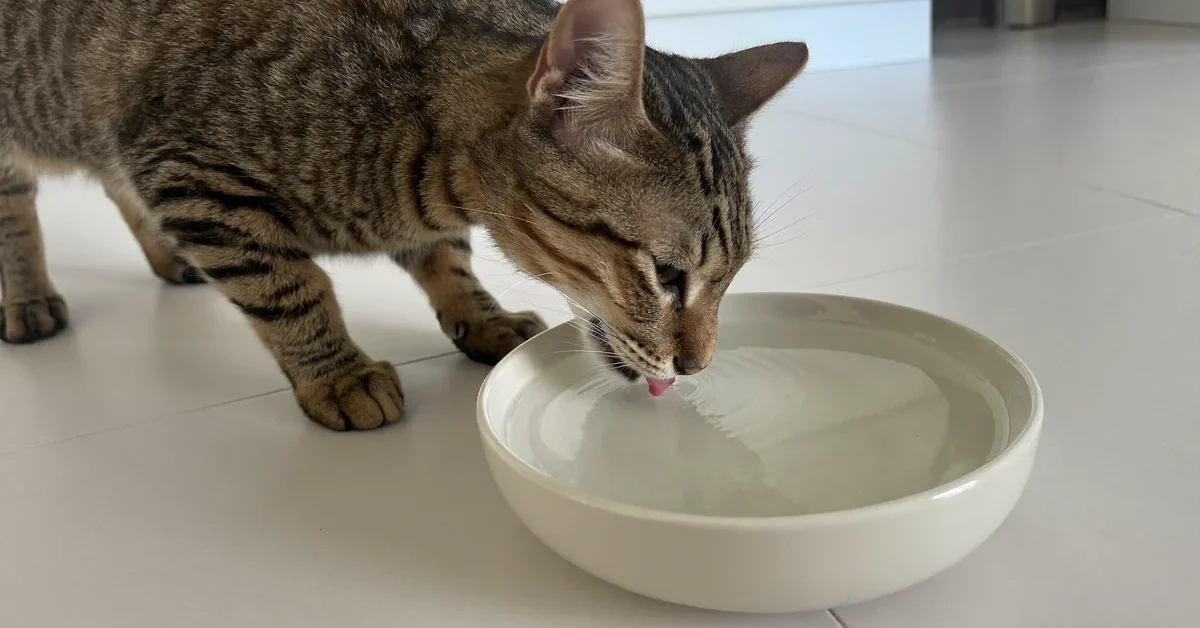
A cat does not simply scoop water in its tongue. Follow the contact–lift–capture sequence and understand the difference between filmed behavior and the models explaining it.
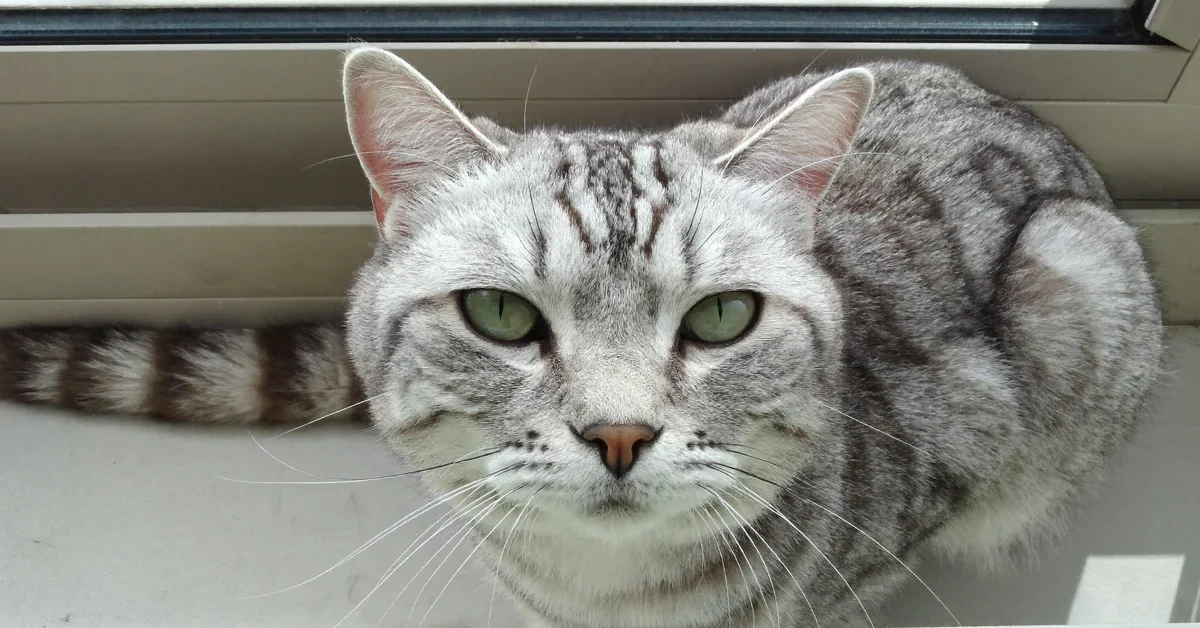
Cats’ pupils change with light, but why do they narrow vertically? Explore the light-control role and the proposed link between pupil shape, blur, and hunting distance.
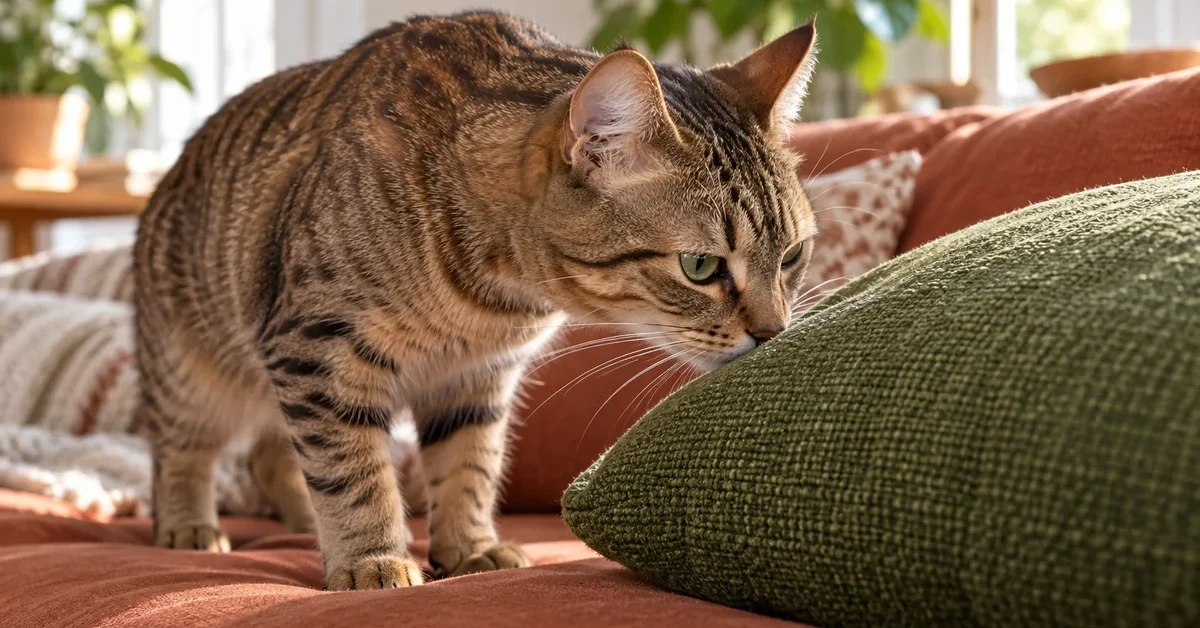
Flehmen is associated with scent sampling, but an open mouth is not a home diagnostic test. Learn the explanation and the urgent breathing boundary.
Why Does My Cat Open Their Mouth After Sniffing? Read More »
A cat’s claws move with the last bones of the toes. Learn how elastic ligaments, tendons, and muscles work together, why claws stay protected between uses, and how this movement differs from shedding an outer layer.
Cats lack a working conventional sweet receptor. That explains sugar indifference, but interest in a human food still has several possible explanations.