
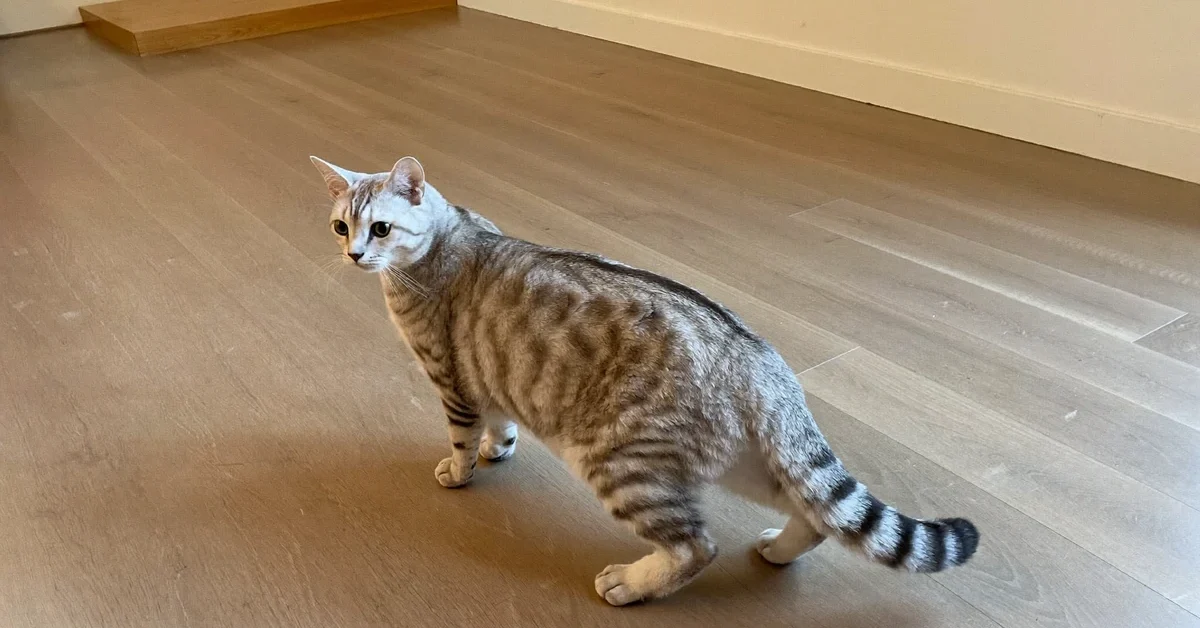
How to Teach Your Cat to Back Up
Reward a voluntary backward step, develop a familiar pathway exercise, and introduce a stationary hand cue while keeping participation optional.
Reward a voluntary backward step, develop a familiar pathway exercise, and introduce a stationary hand cue while keeping participation optional.
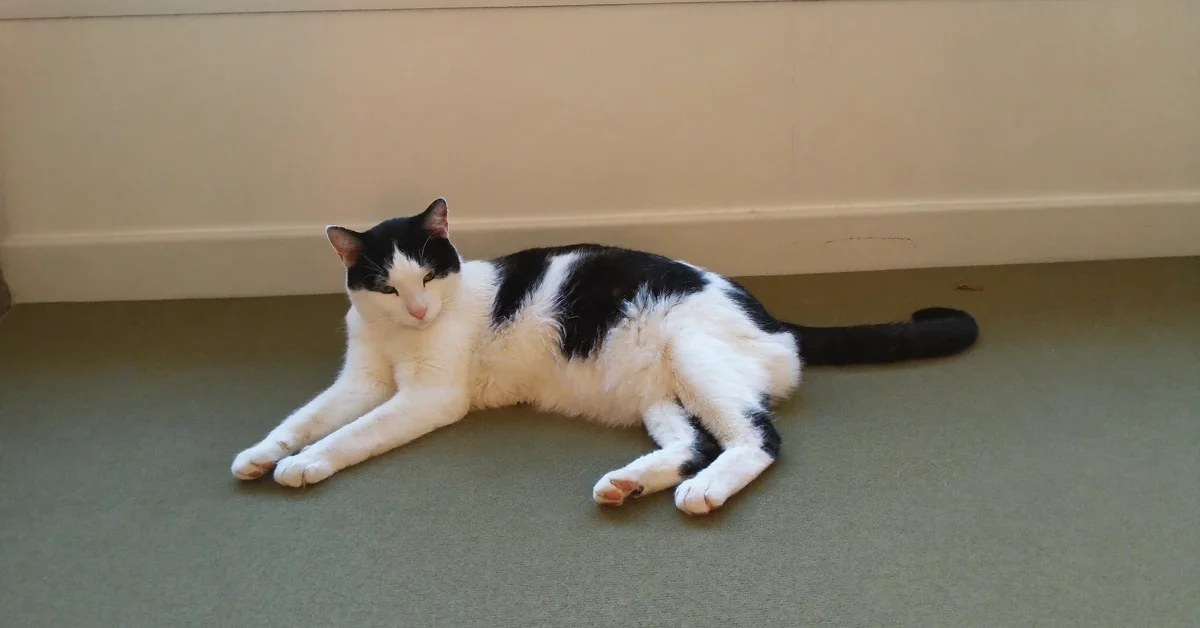
Help your cat learn a comfortable, voluntary roll from a familiar lie-down, with gradual progress, useful adjustments and room to stop.
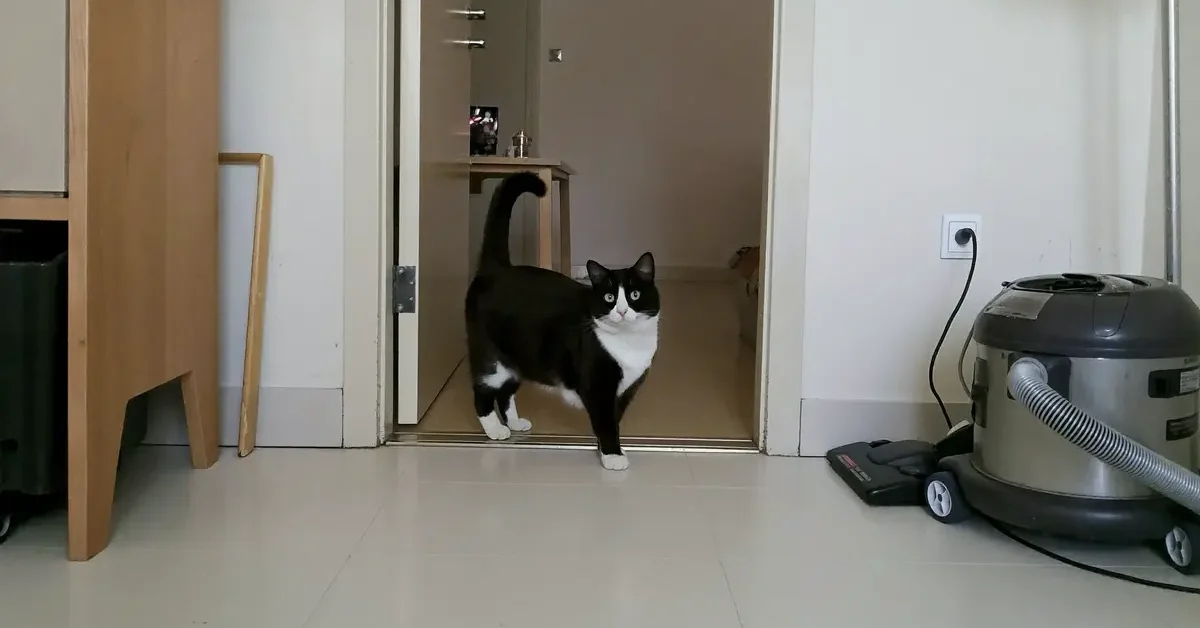
Plan necessary cleaning around your cat’s retreat, then explore optional practice with a stationary vacuum, gentle movement, and sound. Learn when to stop, make the task easier, or seek help.
How to Help Your Cat Get Used to a Vacuum Cleaner Read More »
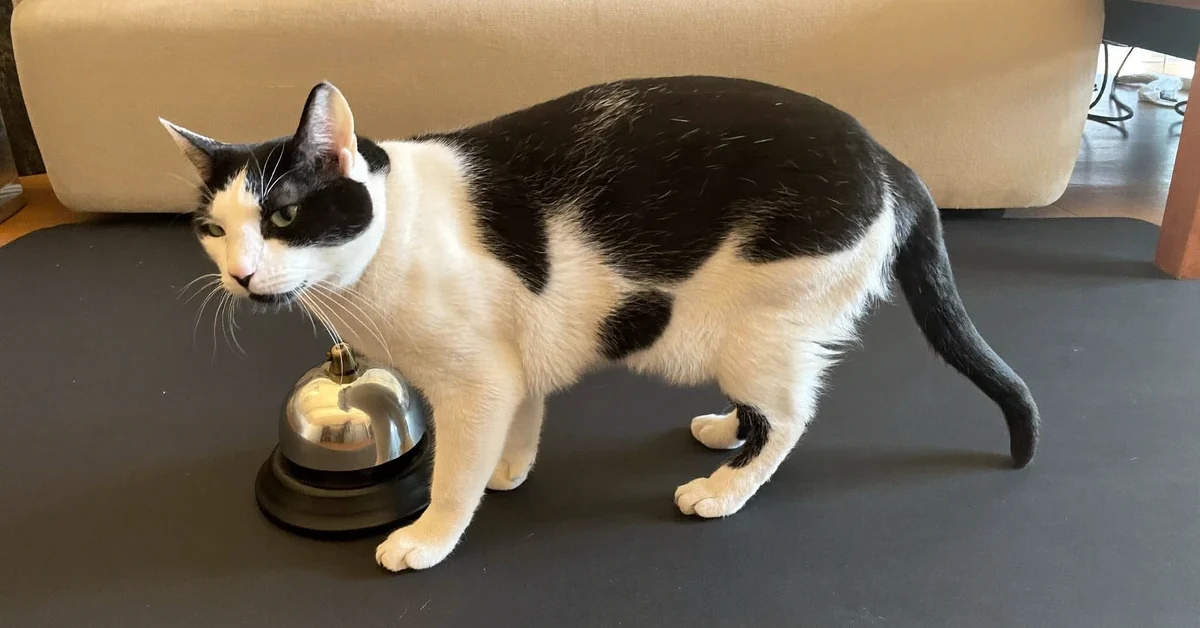
Introduce a stationary bell at your cat’s pace, shape willing contact into a ring, and use a clear reward and reset. Includes equipment checks, sound-comfort guidance, and help for light touches, repeated ringing, and chewing.
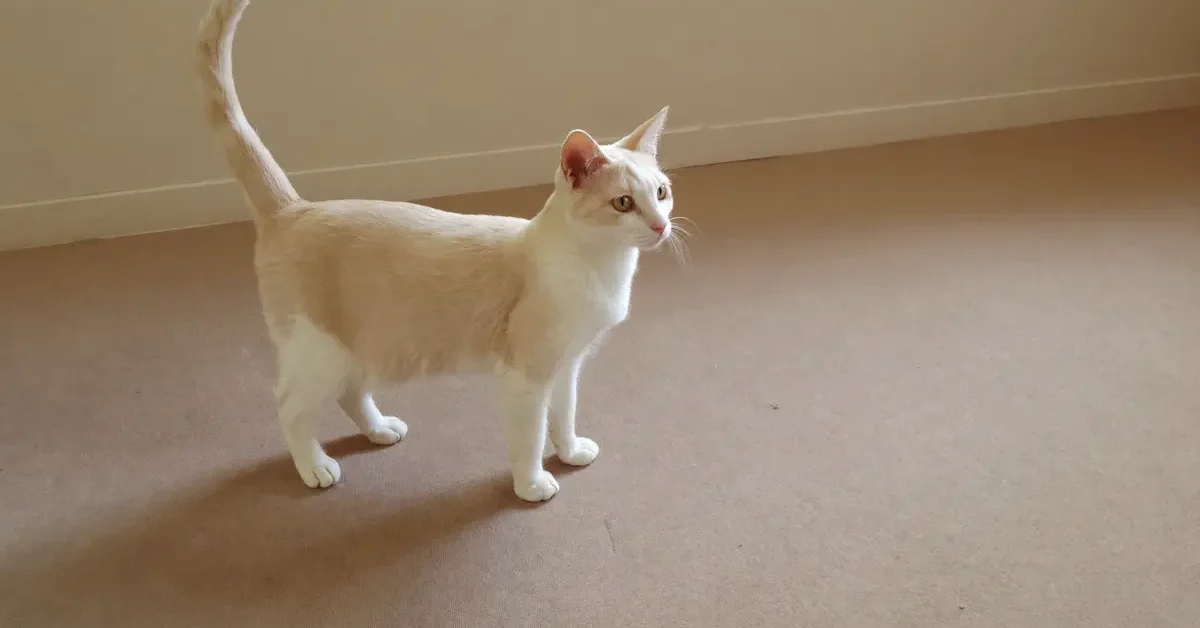
Build a comfortable sit-to-stand response with rewards and a clear cue. This practical lesson explains timing, reducing your movement, and adjustments when your cat stays seated or walks forward.
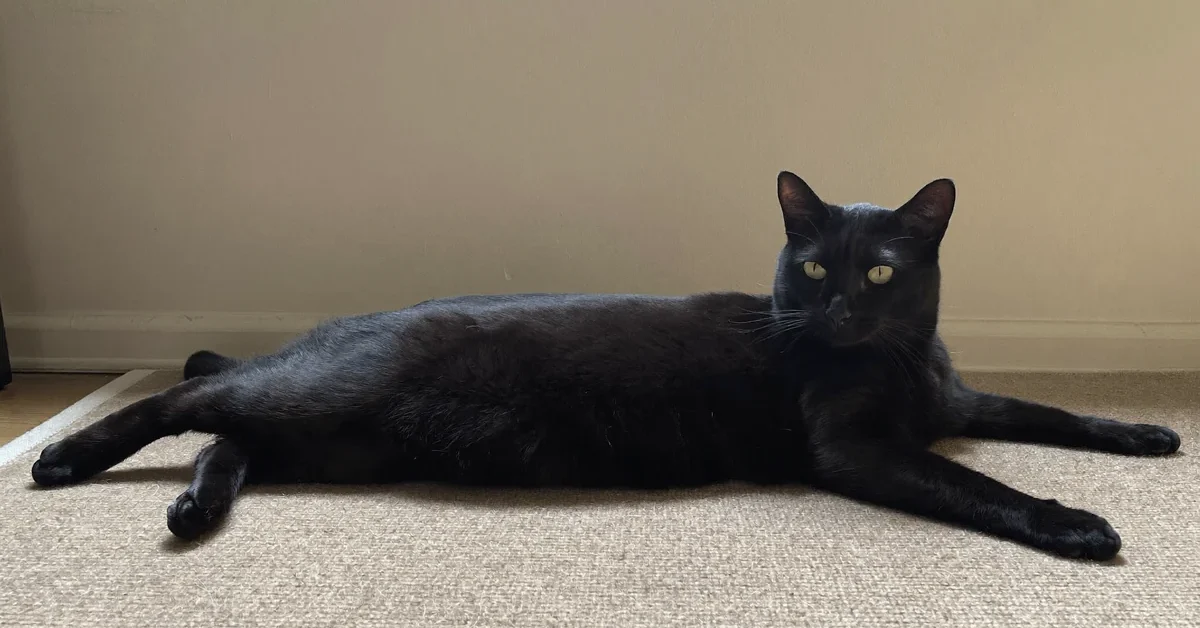
A practical guide to a voluntary down cue, with two starting routes, a worked shaping example, and adjustments for cats who stand, paw, hesitate, or leave.
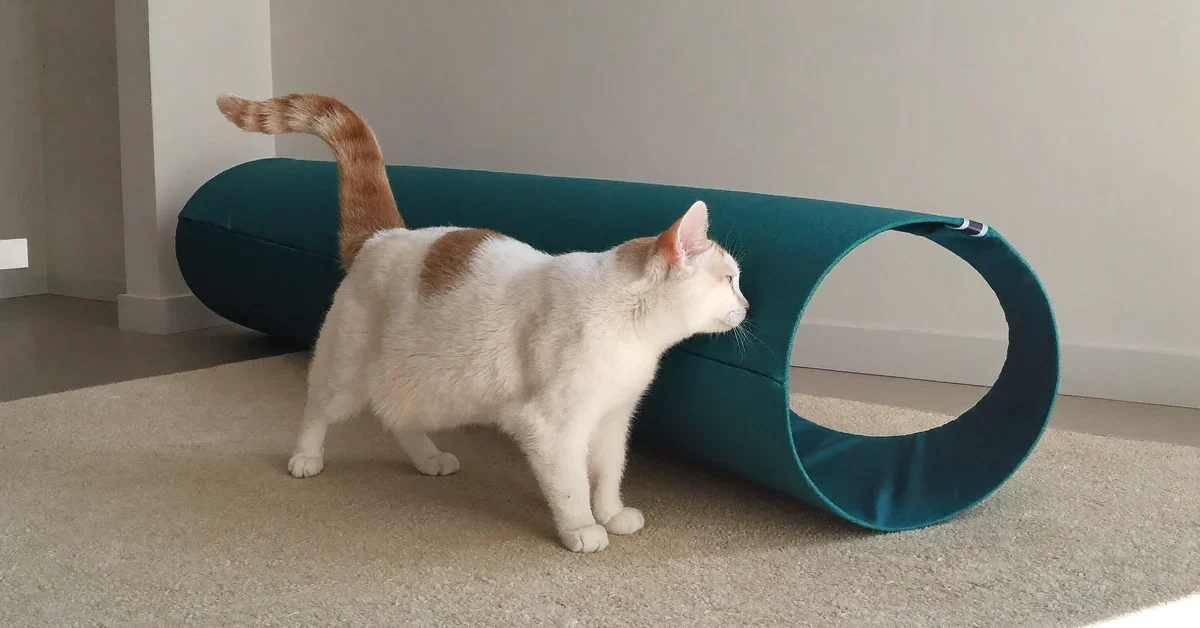
Build a willing walk through a tunnel, starting with an easy approach and partial entry. Learn where to reward, when to add a cue, how to fade prompts, and when to pause.
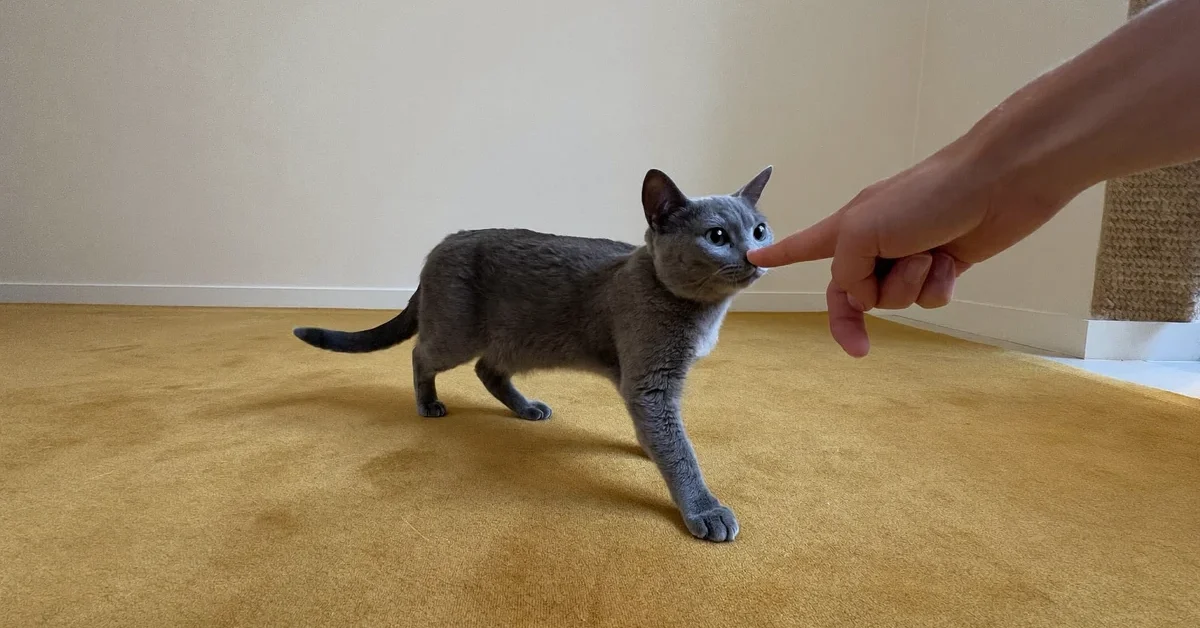
Build a voluntary walking circle from small, rewarded turns. Learn when to extend the route, reduce your guiding gesture, add a cue, and stop or simplify practice.
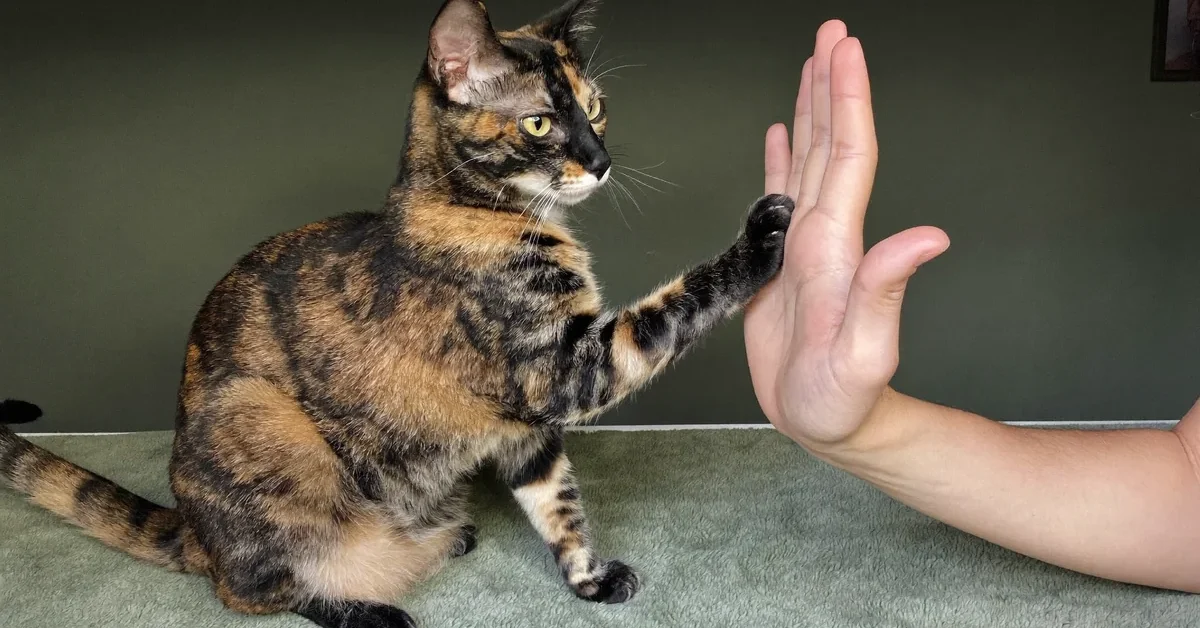
Build a gentle high five through voluntary paw movements, prompt rewards, and a clear cue. Learn when to make the next step easier or stop.
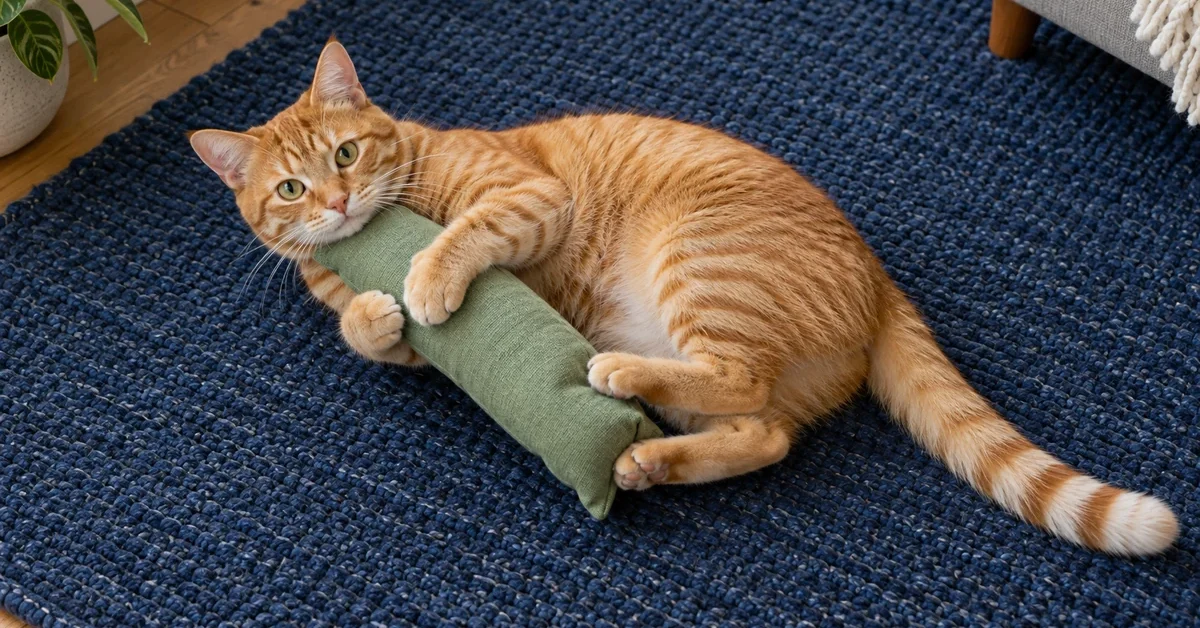
Bunny kicking combines a front-paw grip with repeated hind-leg kicks. Learn what toy play can tell you and how to offer an appropriate outlet.