
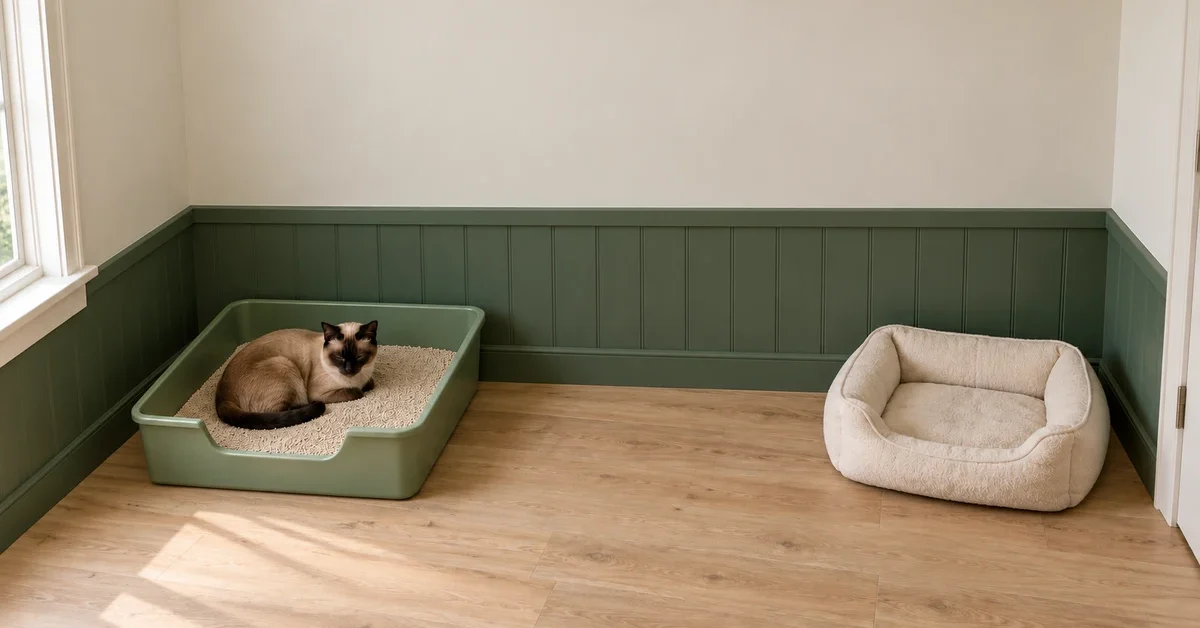
Why Does My Cat Sleep in the Litter Box?
Sleeping in the litter box deserves attention, especially when it is new. Check for urinary difficulty first, then review your cat’s health, safe resting options, access, and hygiene.
Sleeping in the litter box deserves attention, especially when it is new. Check for urinary difficulty first, then review your cat’s health, safe resting options, access, and hygiene.
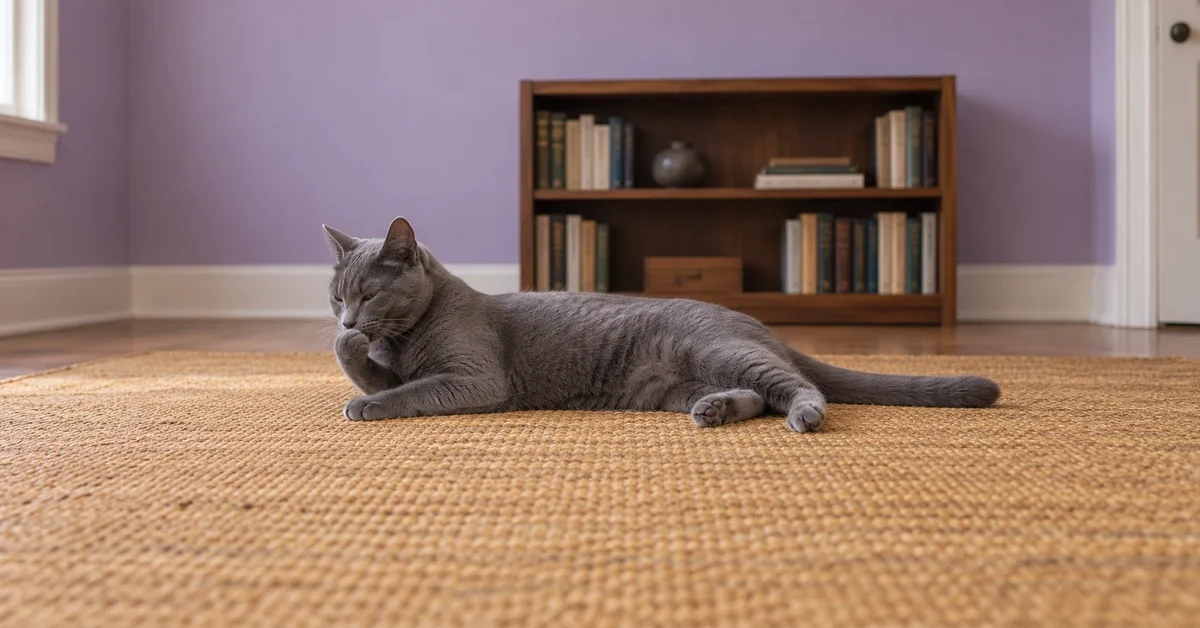
An occasional nibble during grooming can be normal. Repeated attention to one claw, damaged skin, limping, or a new pattern deserves a closer look and veterinary advice.
Start with where the dust appears, then adjust handling, compare litter carefully, and clean settled residue without disrupting your cat’s toilet routine.
Look beyond a neat haircut or a certification badge. Ask about feline experience, gentle handling, a clear stop policy, and when your cat needs veterinary care first.

Blot fresh urine, check the upholstery care instructions, and use a cleaner only when its complete directions fit the couch’s material and drying limits.
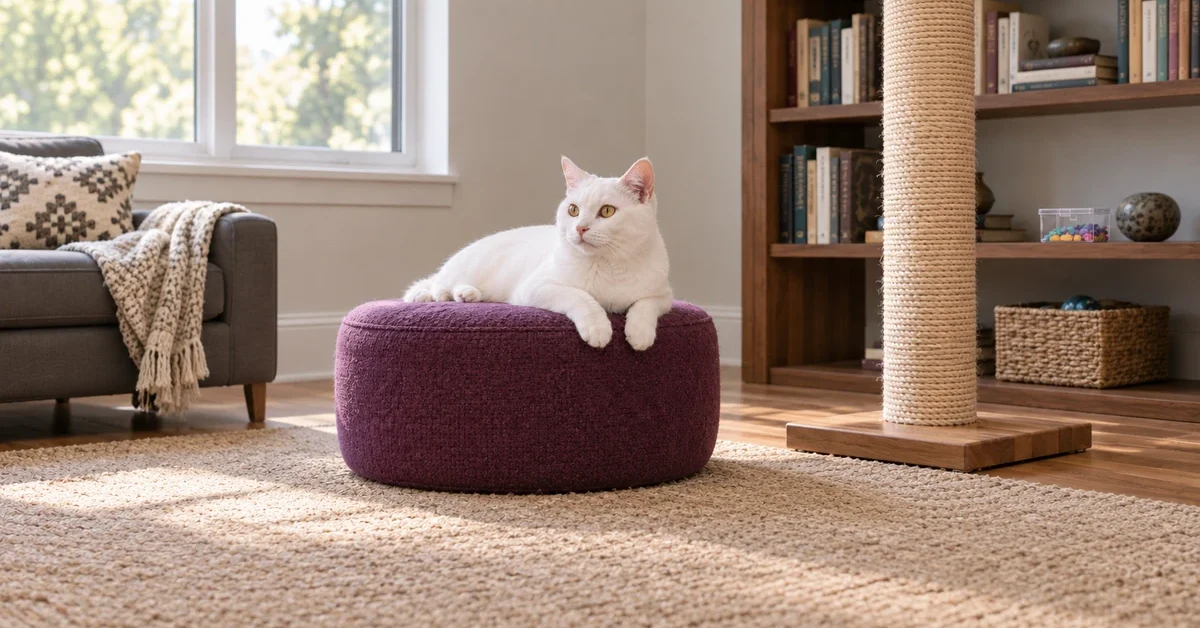
Nail caps can reduce damage from sharp claws, but they bring fitting, handling, and maintenance demands. Start with scratching alternatives and assess your individual cat with your veterinarian.

A self-cleaning litter box can save scooping time, but the right choice depends on your cat’s access and comfort, the exact model’s limits, and the care you can maintain.

Social grooming can be part of feline companionship. Learn how to read the whole interaction, respect each cat’s boundaries, and recognize when help is needed.
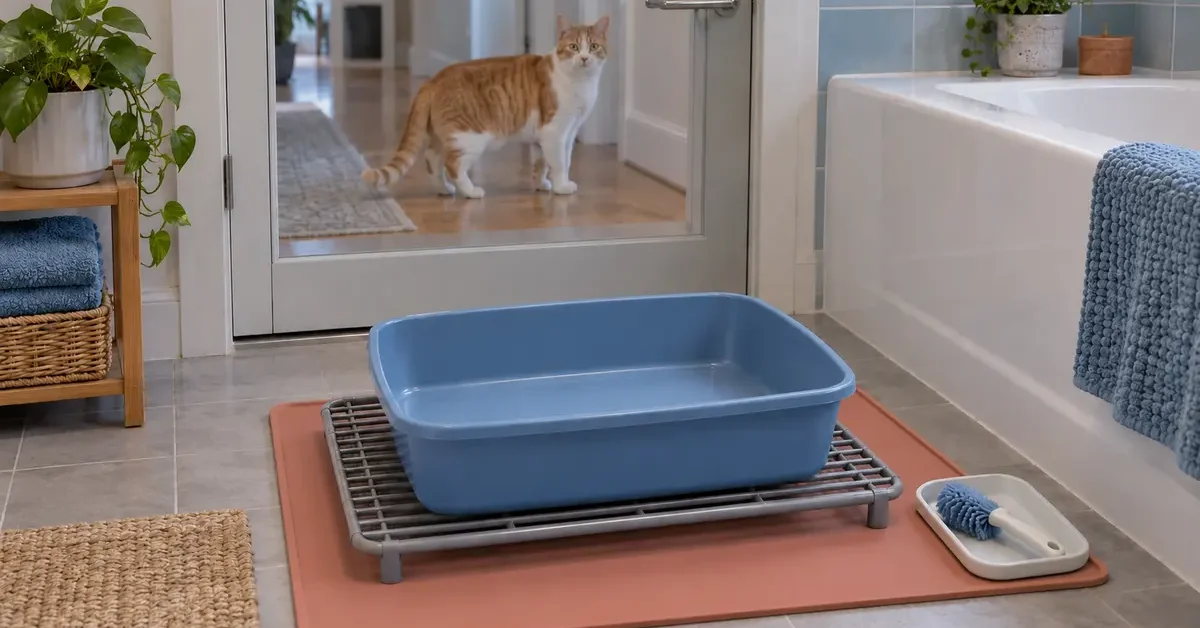
A practical routine for washing an ordinary cat litter box, from emptying and residue removal to rinsing, complete drying, and refilling with familiar litter.

Keep loose cat hair manageable with practical methods for furniture, floors, bedding, and clothes. Learn where to focus your cleaning, how to handle hairy laundry, and when coat changes need veterinary attention.