
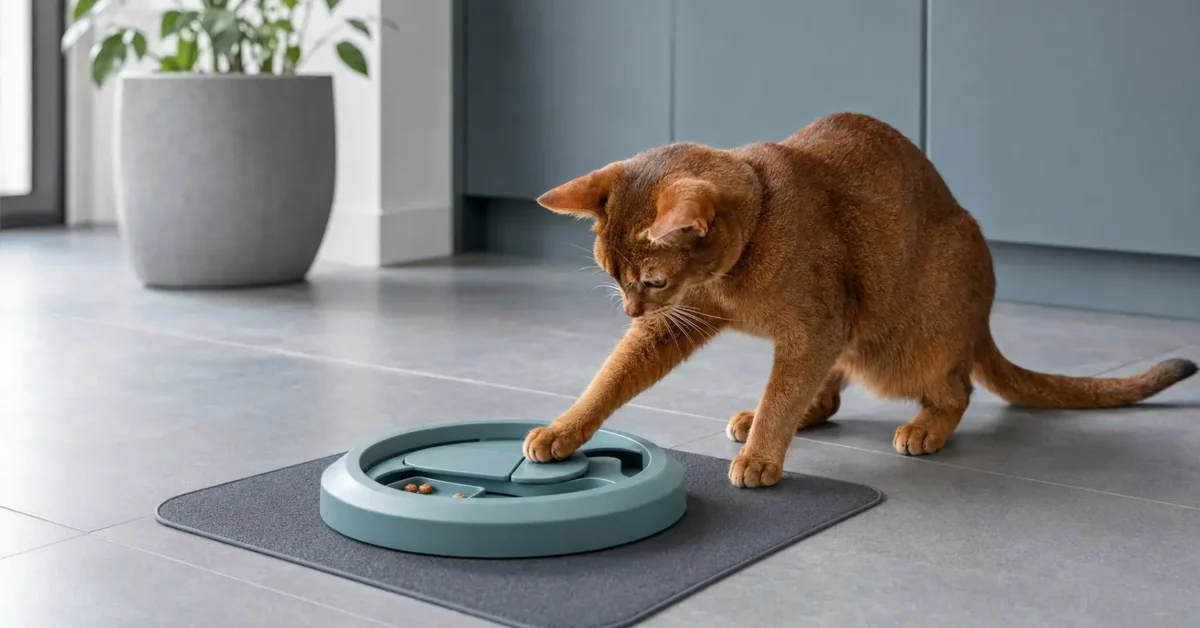
How to Use a Puzzle Feeder for Your Cat
Learn how to introduce a puzzle feeder gradually, use food from your cat’s measured daily allowance, prevent frustration and adapt the setup to their needs.
Learn how to introduce a puzzle feeder gradually, use food from your cat’s measured daily allowance, prevent frustration and adapt the setup to their needs.
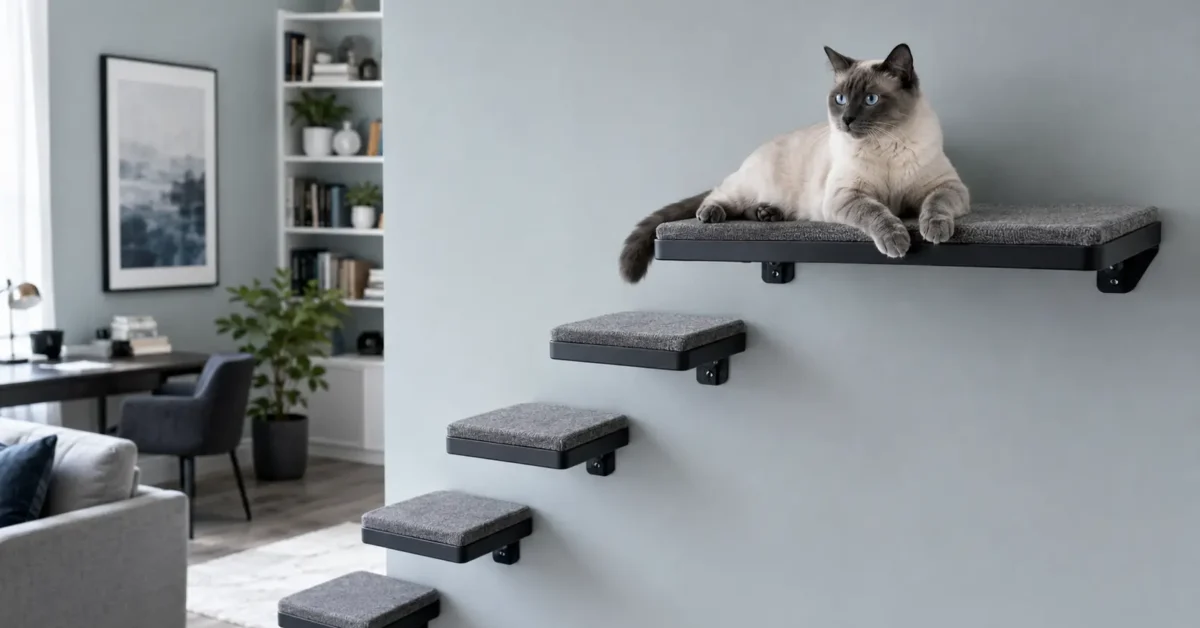
Cats often seek high places for observation, distance, security, and additional usable territory. Learn how to interpret the behavior and provide stable, accessible vertical choices that suit your individual cat.
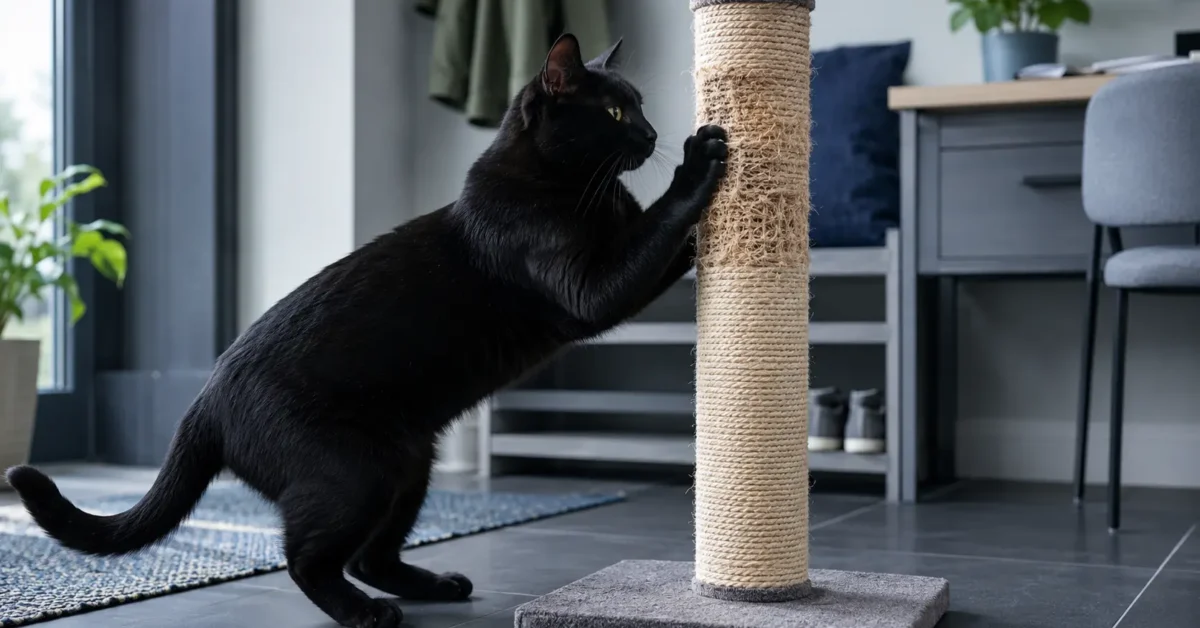
Excerpt: A worn scratching post may still be safe and appealing. Learn how to inspect its stability, materials and hidden hazards before deciding whether to keep, repair or replace it.
When Should You Replace Your Cat’s Scratching Post? Read More »
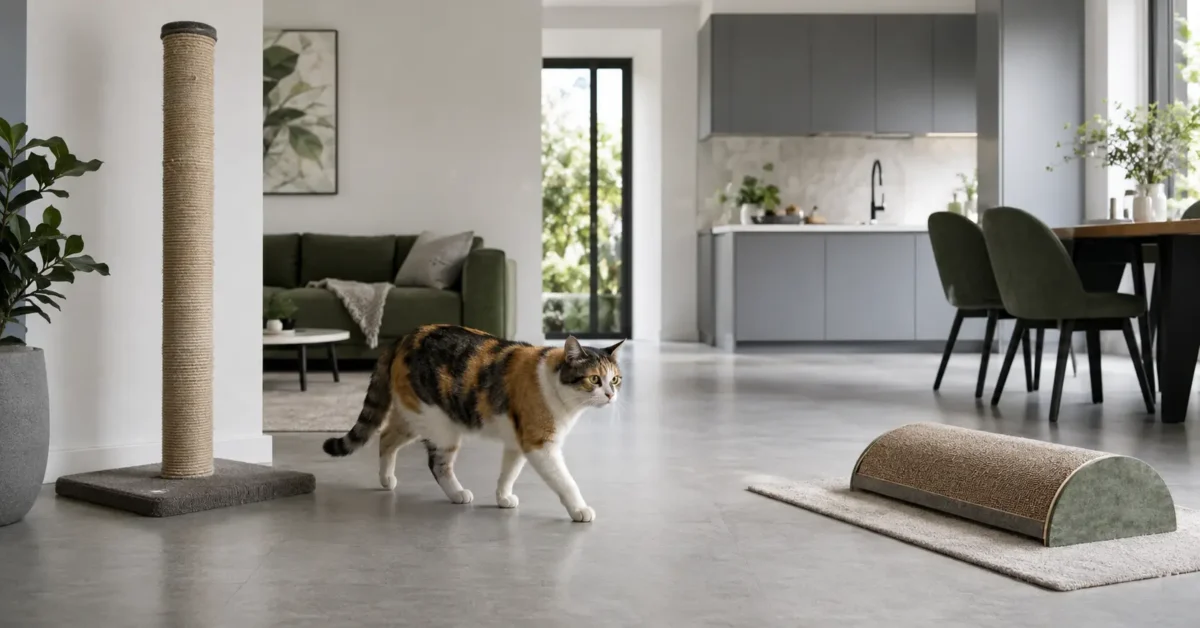
There is no universal number of scratching posts for every cat. Use this practical framework to judge quantity, distribution, accessibility and individual preferences.
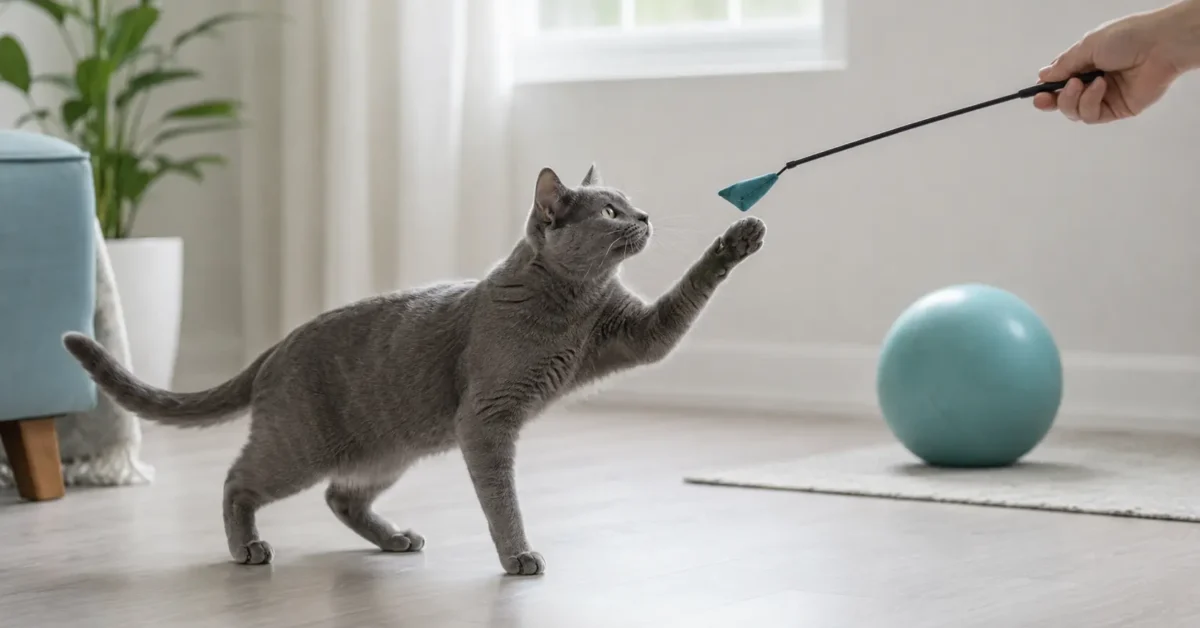
Some cat toys only come alive when a person controls them. Others allow a cat to bat, chase, carry or kick something independently. These two
Interactive or Solo Cat Toys: Which Does Your Cat Need? Read More »
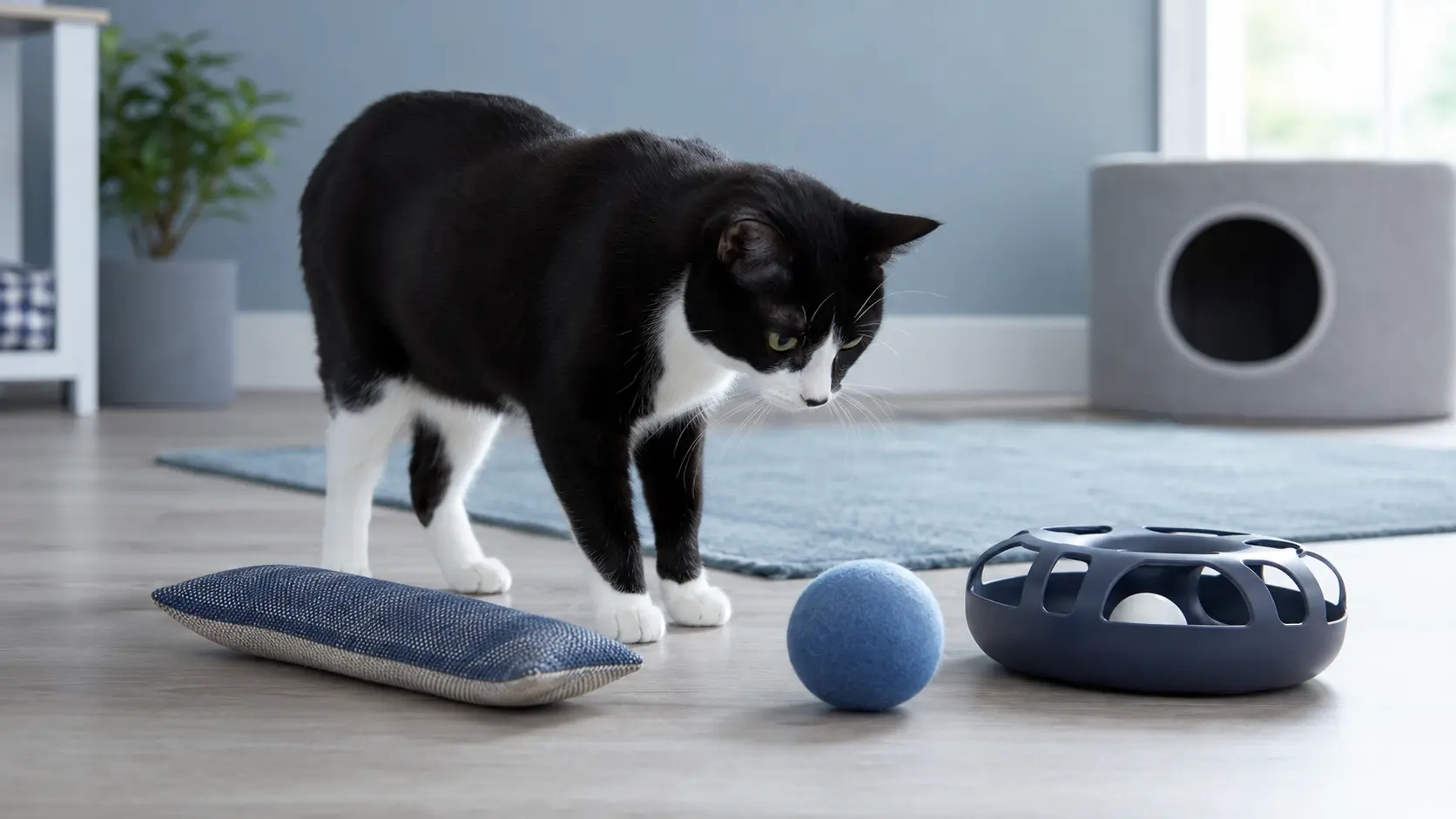
Learn how to choose safe toys for your cat, identify common hazards, decide which toys need supervision, and know when to remove damaged toys.
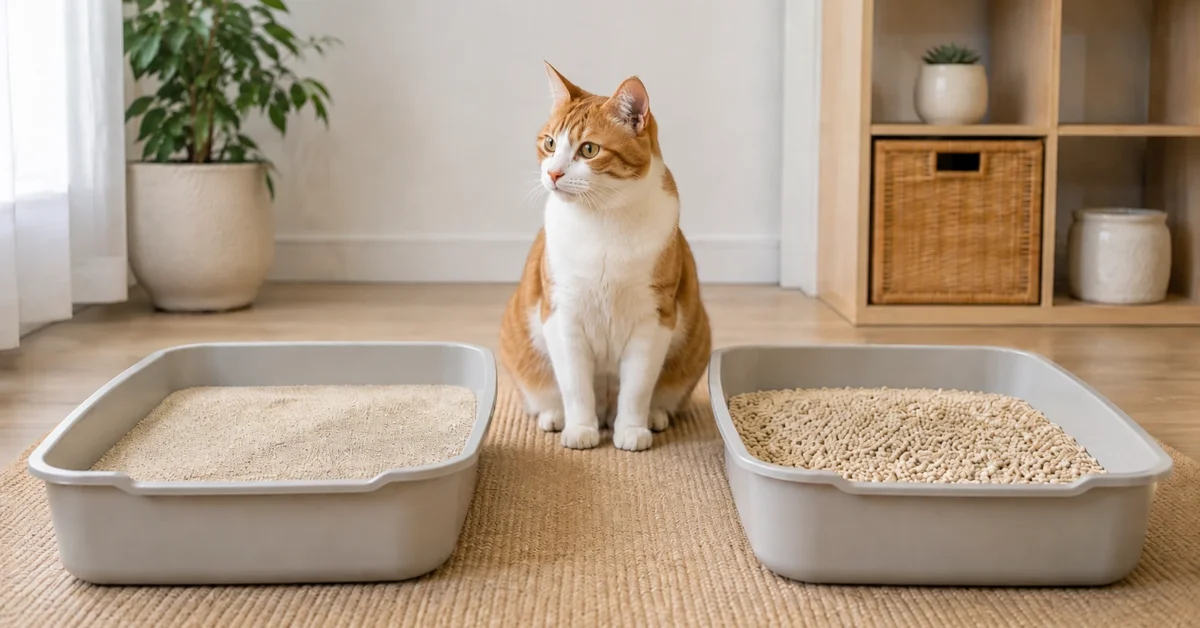
Compare common cat litter types and learn how clumping, texture, fragrance, dust, tracking, and your cat’s individual needs should guide your choice.
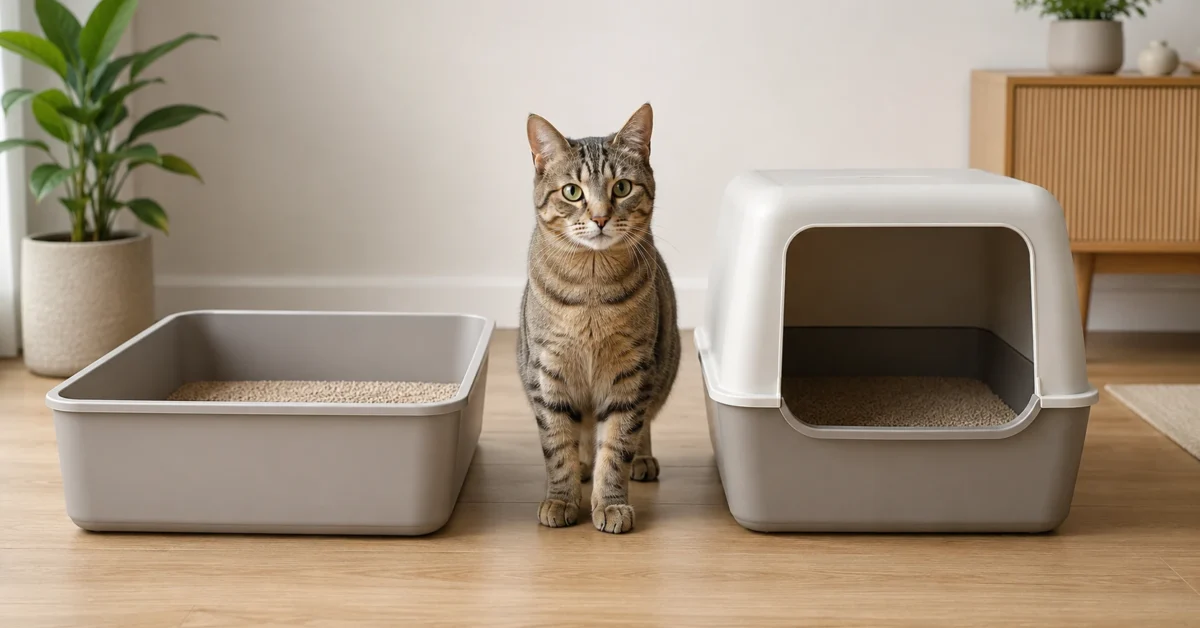
Learn how space, access, airflow, cleanliness, mobility, and household dynamics affect litter-box design, and how to compare two options without forcing your cat.
Covered or Uncovered Litter Box: Which Is Better? Read More »
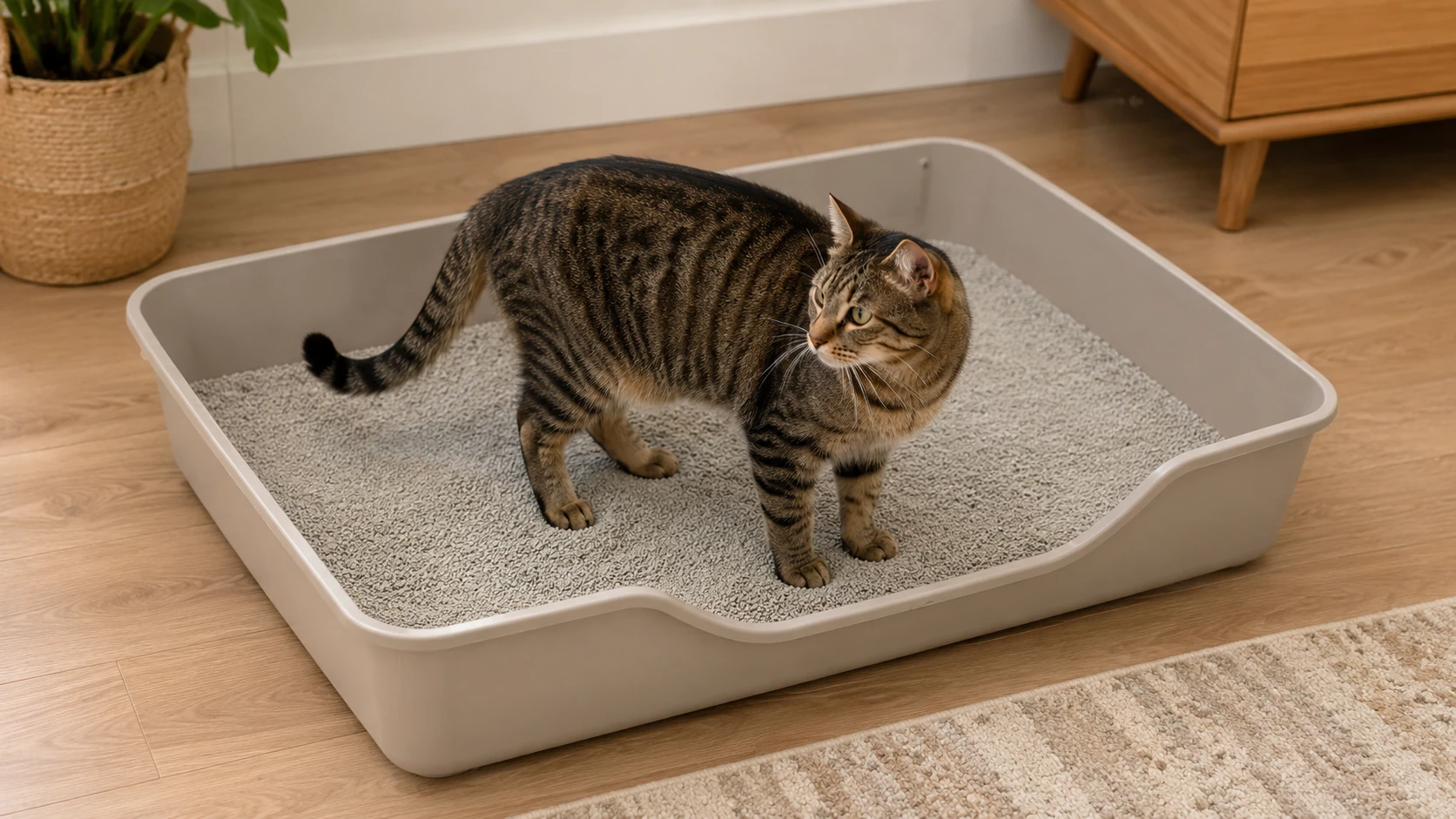
Find out how to measure your cat and assess a litter box’s usable interior space, entry height, and fit for kittens, large cats, senior cats, and small homes.
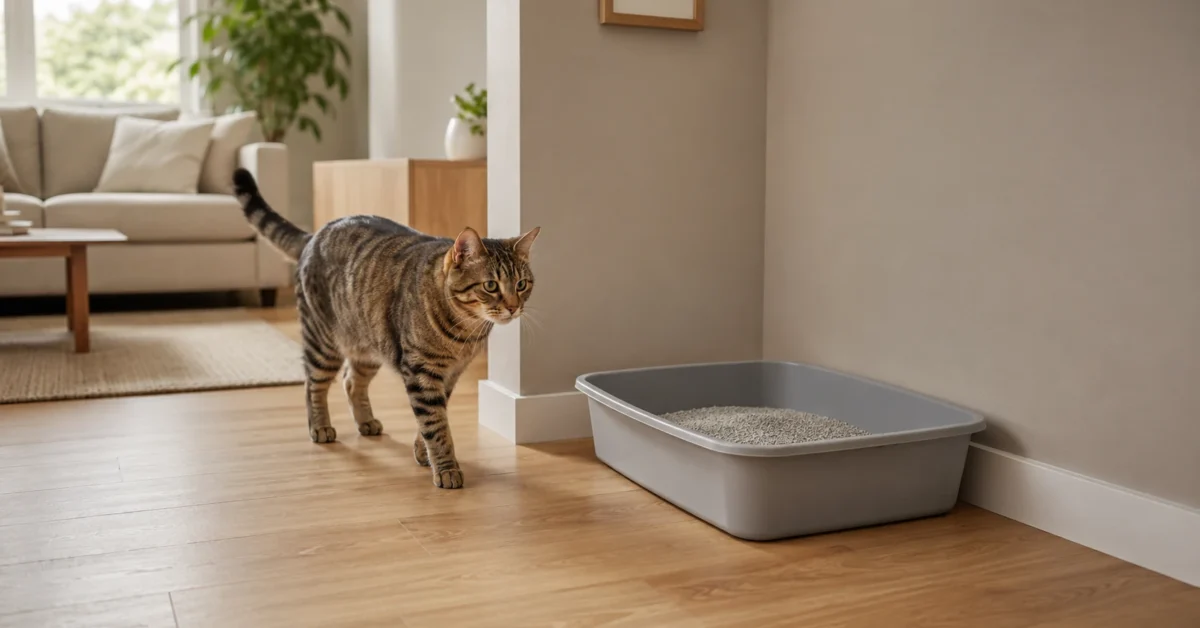
Choose a quiet, accessible litter-box location that gives your cat a safe route, protects them from sudden noise and blocking, and works for your home.