

How Many Litter Boxes Do Cats Need?
Learn how many litter boxes to provide for one cat or several cats, why separate locations matter, and when an extra box may improve access and reduce competition.
Learn how many litter boxes to provide for one cat or several cats, why separate locations matter, and when an extra box may improve access and reduce competition.
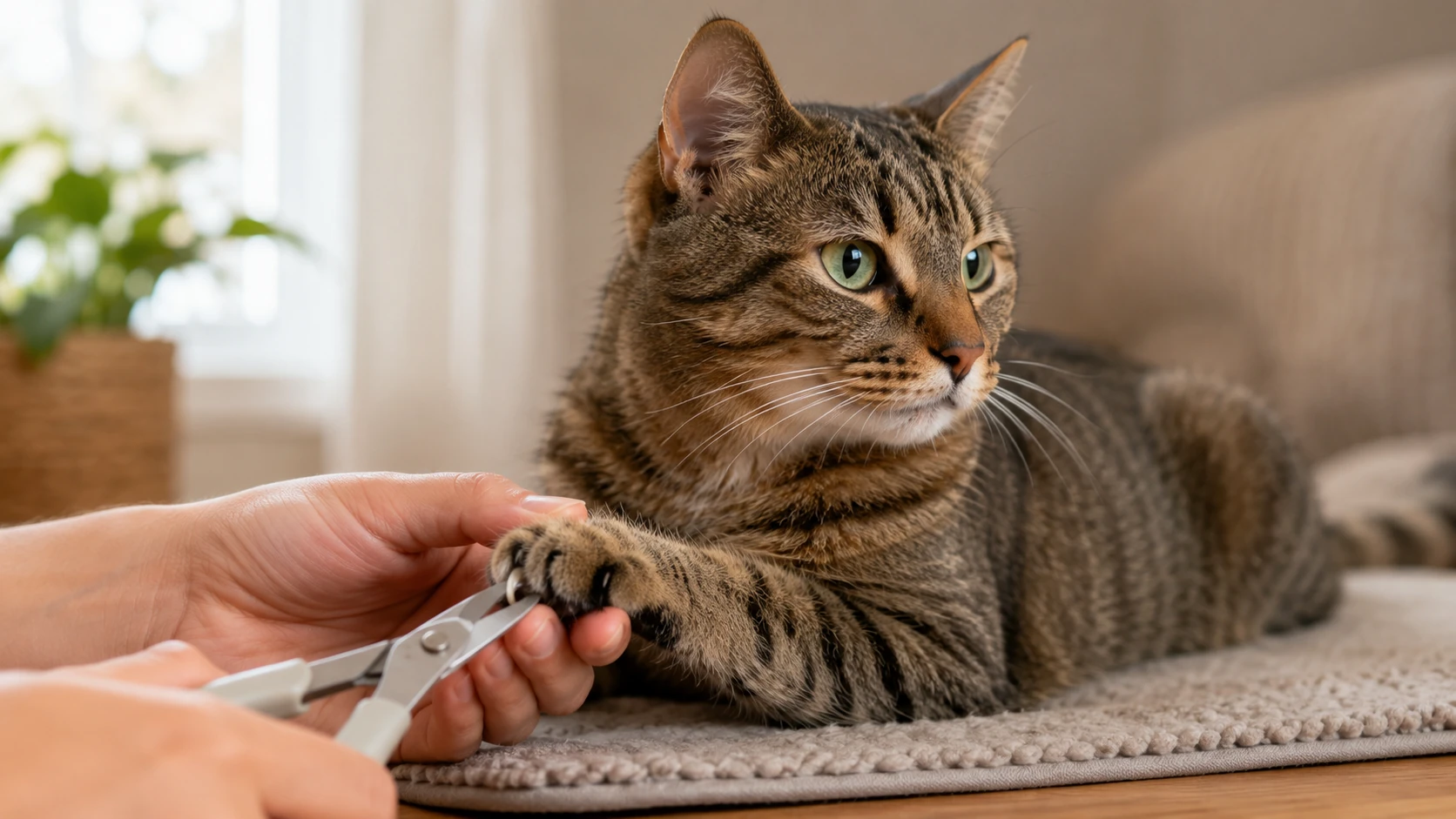
Learn how to prepare, handle your cat’s paws, identify the quick, make small safe cuts, respond to bleeding, and know when to seek professional help.

Learn how to adapt grooming for an older cat with shorter sessions, gentler tools and comfortable positioning, while recognizing coat, skin and mobility changes that may require veterinary attention.

Learn how to recognize matted fur, decide whether a small loose tangle is safe to handle at home, and know when your cat needs a groomer or veterinarian.
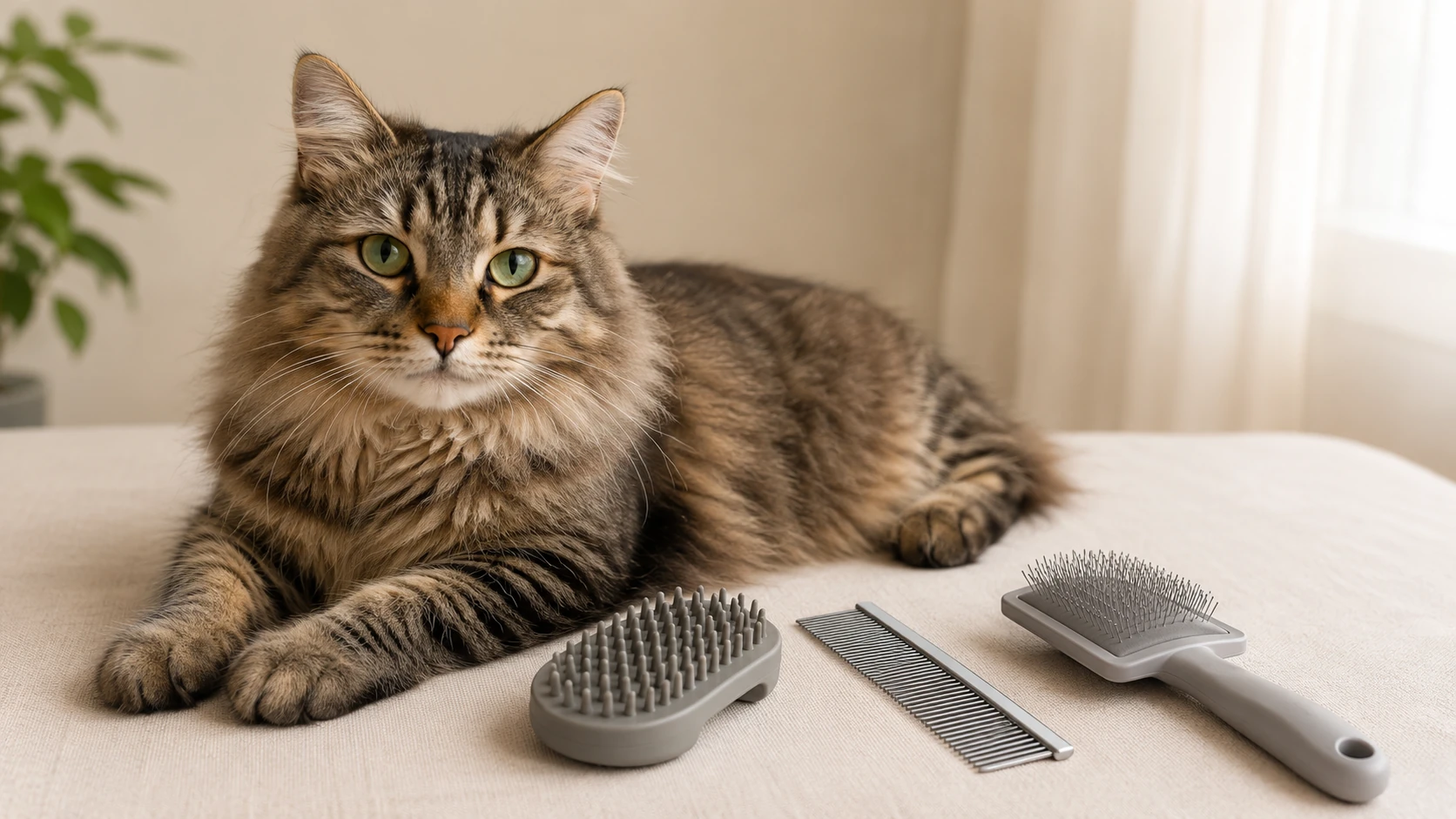
Learn how to choose a cat brush or comb based on coat length, density, shedding, tangles, and sensitivity, with practical safety guidance.

Learn how to remove ordinary dirt and minor localized soiling from your cat with gentle brushing or a damp cloth, and when professional help is safer.
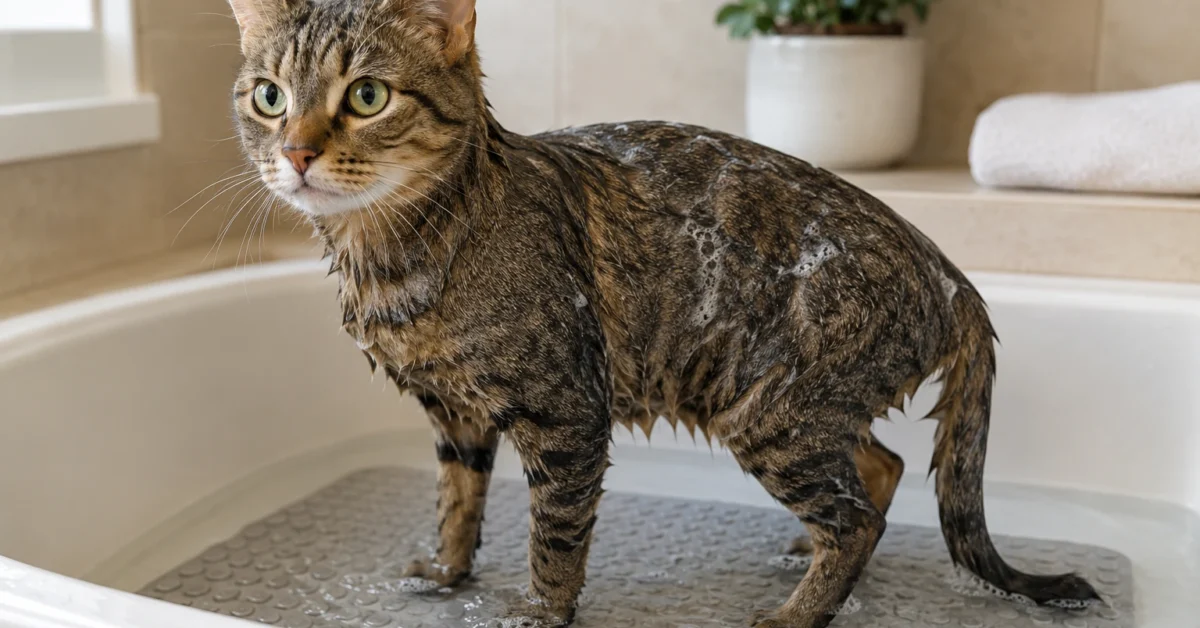
Most healthy cats do not need routine baths, but bathing may sometimes be necessary. Learn when to brush, spot-clean, bathe, or seek professional help.
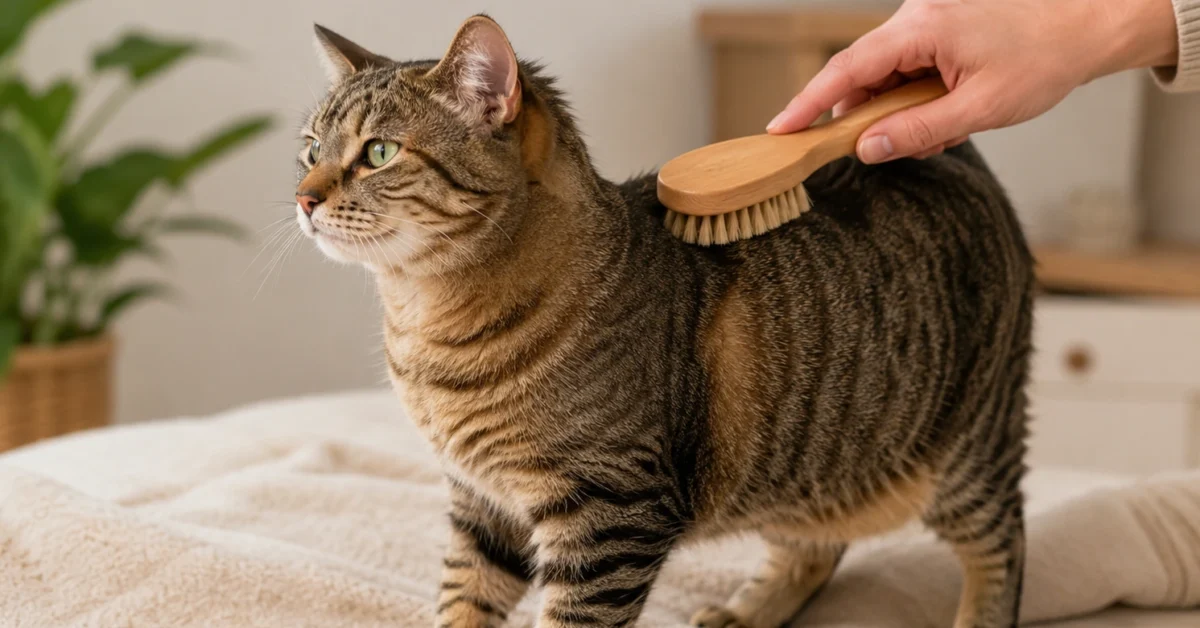
Learn how often to brush your cat based on coat length, shedding, age, mobility, and grooming ability, plus signs that the routine may need adjusting.

A cat not eating can be caused by stress, dental pain, nausea, illness, food changes, or environmental problems. Learn what to check, when to monitor, and when to contact a vet.

Cats may roll over when they see you as a greeting, a sign of trust, an invitation to interact, or a request for attention. Learn what this behavior means and whether your cat wants a belly rub.