
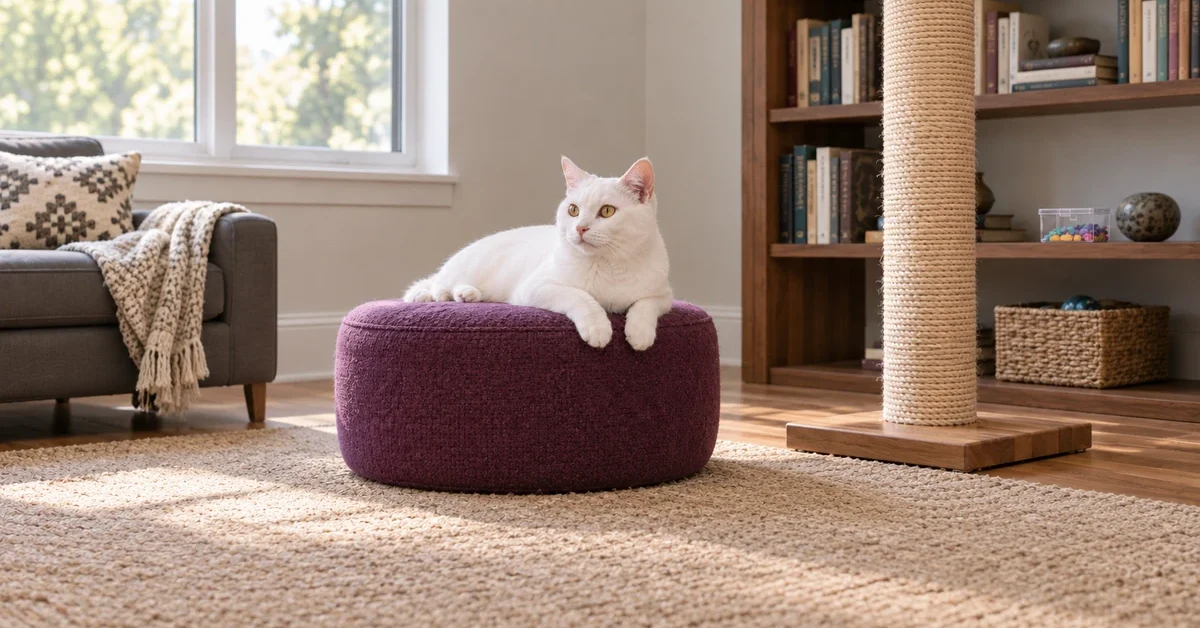
Should You Use Nail Caps on Your Cat?
Nail caps can reduce damage from sharp claws, but they bring fitting, handling, and maintenance demands. Start with scratching alternatives and assess your individual cat with your veterinarian.
Nail caps can reduce damage from sharp claws, but they bring fitting, handling, and maintenance demands. Start with scratching alternatives and assess your individual cat with your veterinarian.
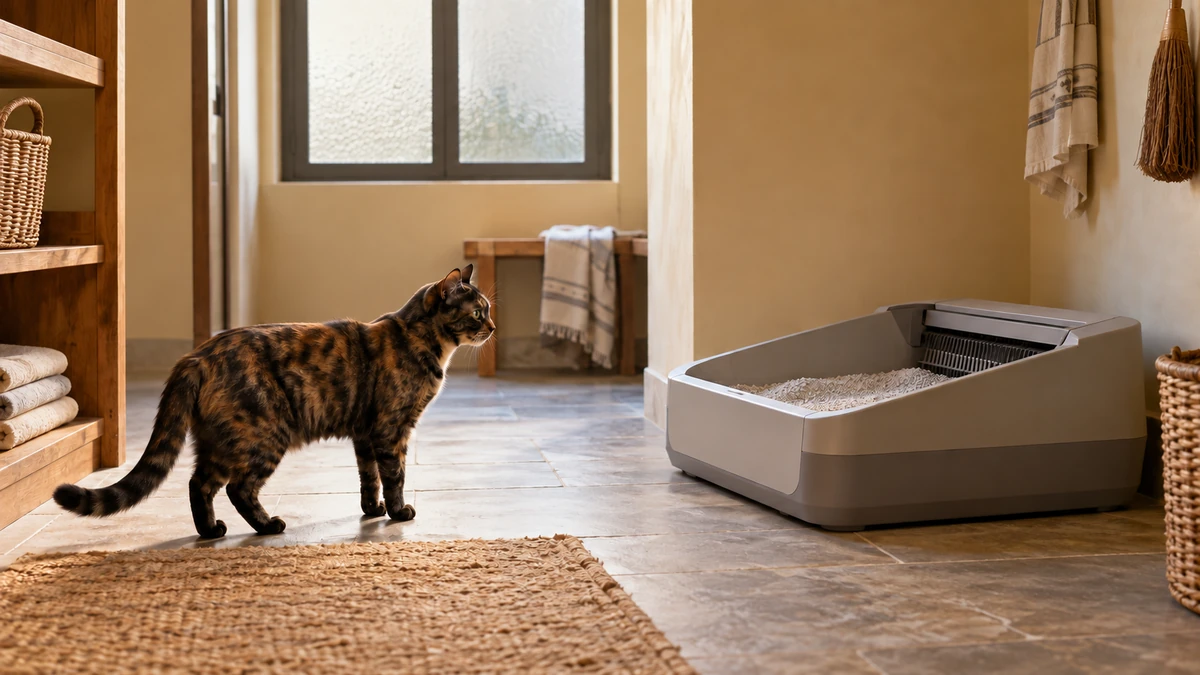
A self-cleaning litter box can save scooping time, but the right choice depends on your cat’s access and comfort, the exact model’s limits, and the care you can maintain.
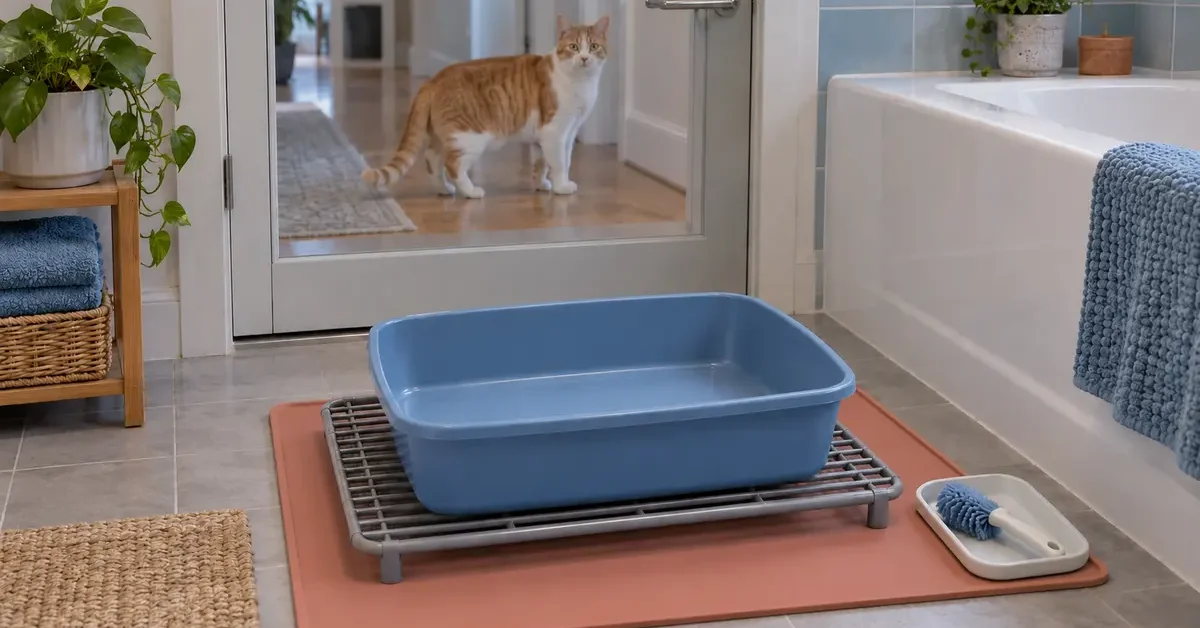
A practical routine for washing an ordinary cat litter box, from emptying and residue removal to rinsing, complete drying, and refilling with familiar litter.

Keep loose cat hair manageable with practical methods for furniture, floors, bedding, and clothes. Learn where to focus your cleaning, how to handle hairy laundry, and when coat changes need veterinary attention.
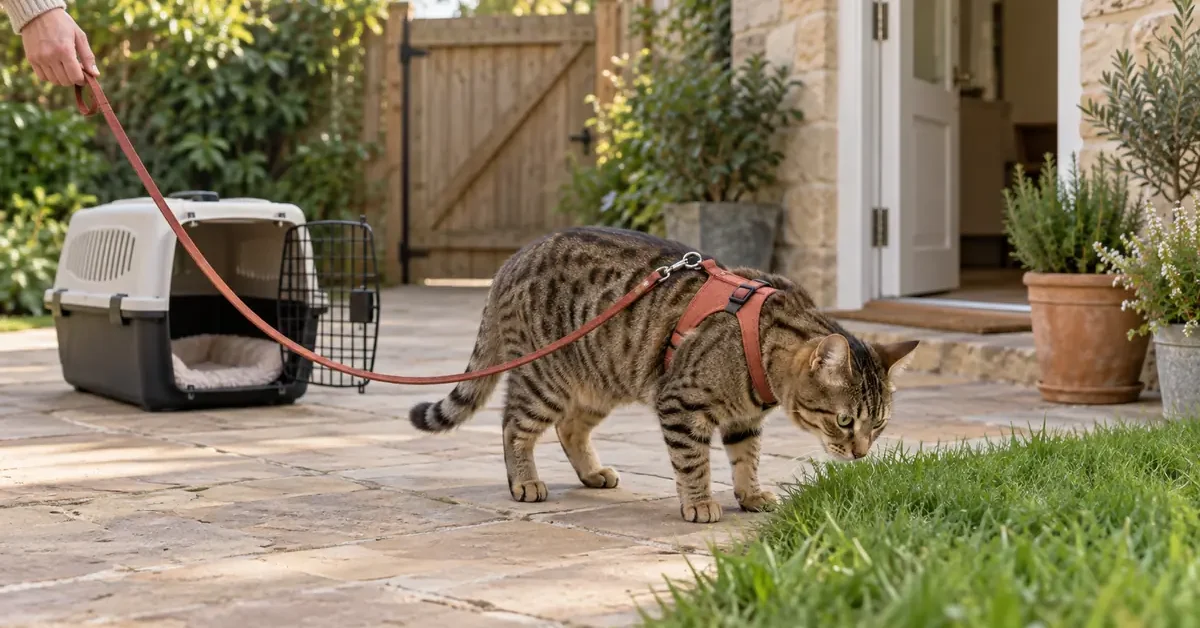
Leash walking may enrich life for some confident cats, but it is not necessary or suitable for every cat. Learn how to assess readiness, plan a cautious first outing, recognize stress, and choose safer indoor or enclosed alternatives.
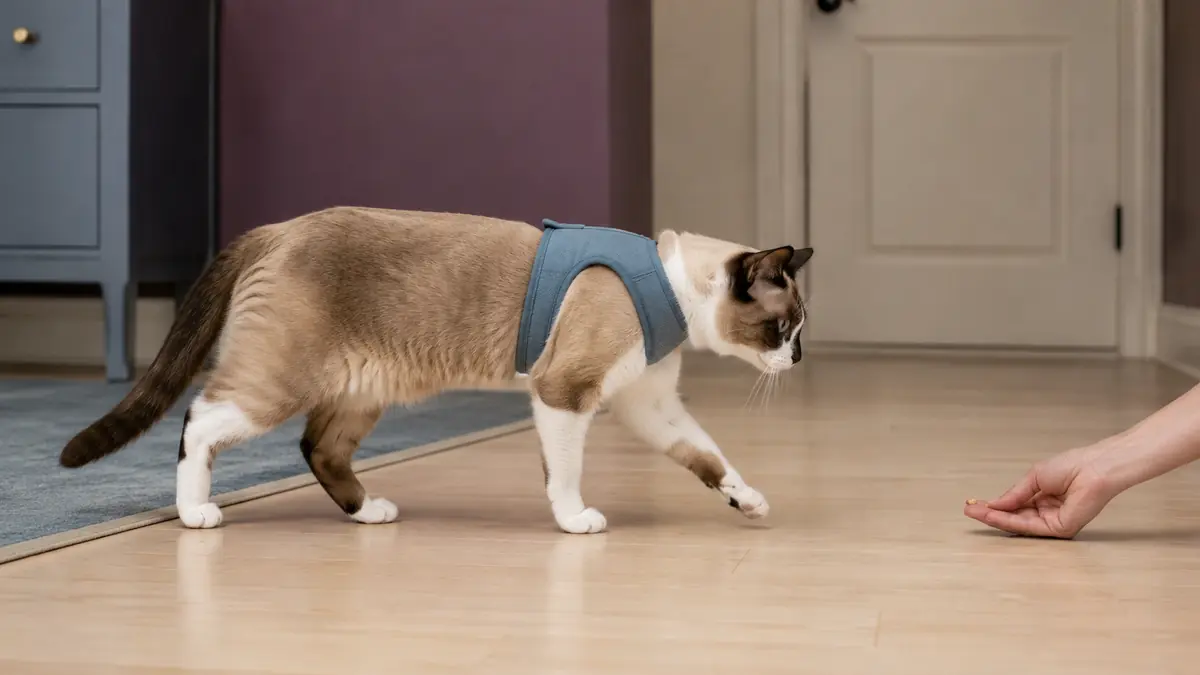
Help your cat become comfortable wearing a harness through gradual, reward-based indoor training. Learn how to introduce the harness, check fit and movement, recognize stress, and know when to pause or stop.
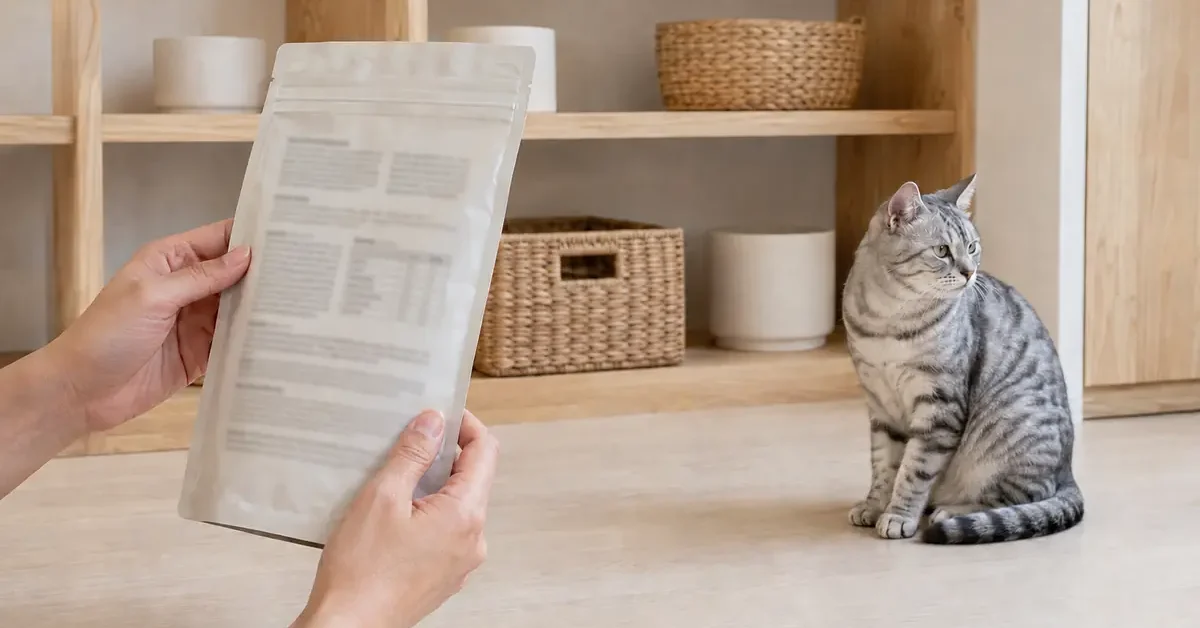
Learn which parts of a U.S. cat food label matter most, what nutritional adequacy and guaranteed analysis mean, and what the package cannot decide for an individual cat.
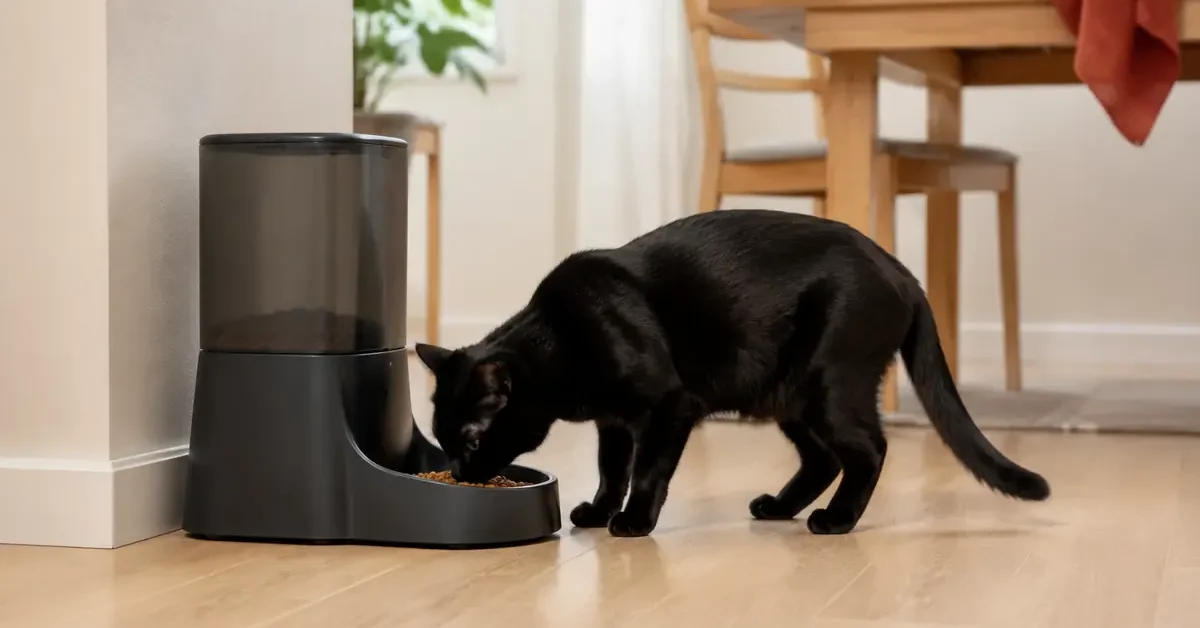
Automatic feeders can support predictable, measured meals, but they do not verify that the right cat ate or replace daily care. Assess food compatibility, portion output, access, cleaning, reliability and backup planning before depending on one.
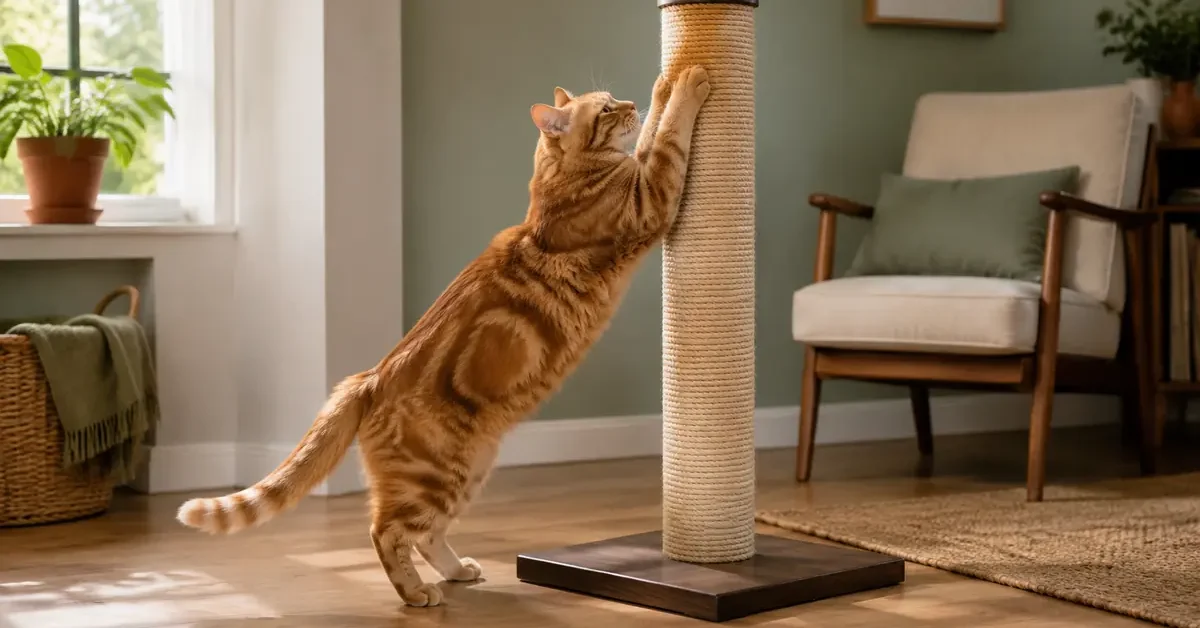
Declawing removes the final bone of each affected toe—it is not a nail trim. Learn why veterinary organizations oppose elective declawing, what the evidence shows, and which humane alternatives can help with normal scratching.
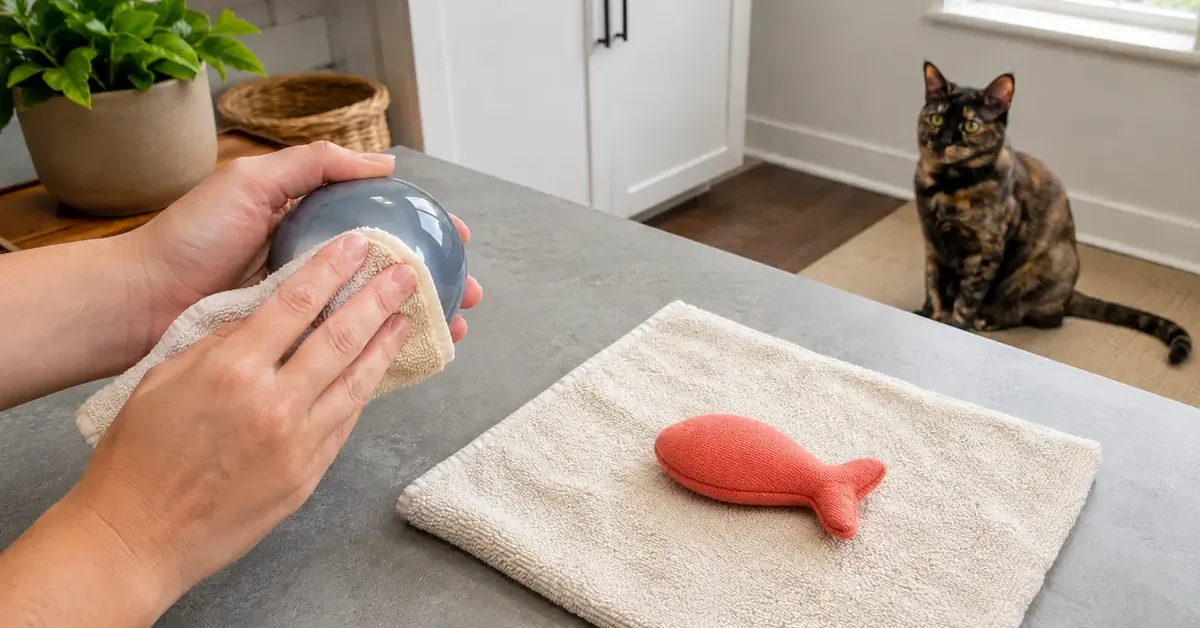
Clean cat toys safely according to their materials and instructions, then dry and inspect each toy before returning it—or retire it when cleaning is no longer safe.