
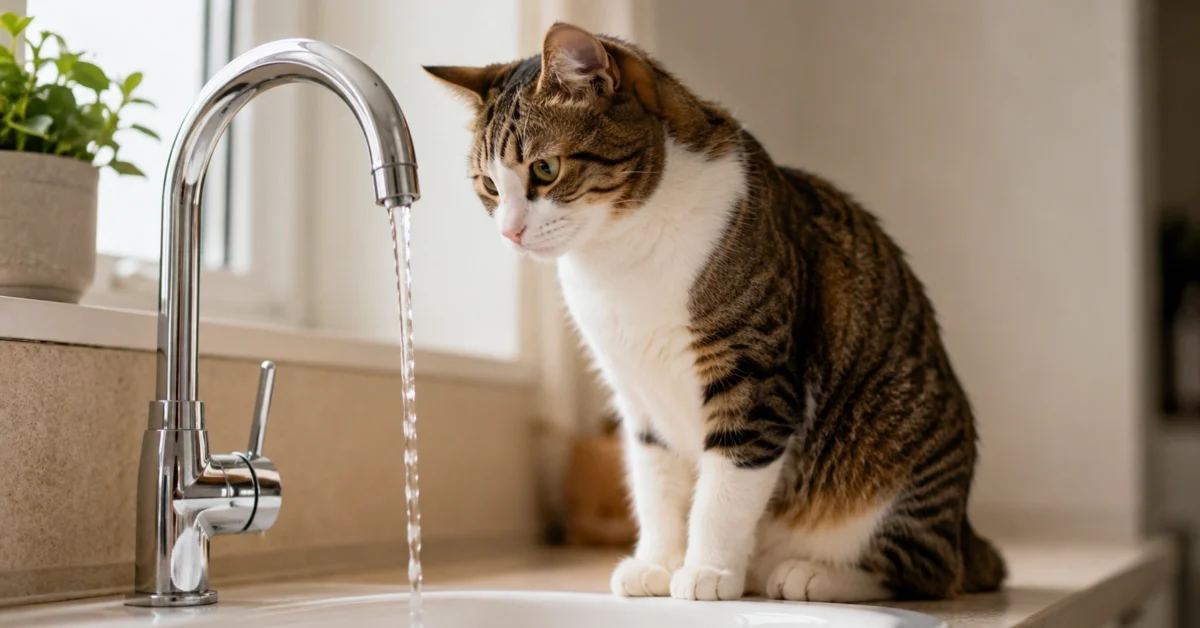
Why Does My Cat Drink From the Tap?
Cats may drink from the tap because they prefer fresh, moving water or dislike their bowl. Learn what it means and how to encourage safer drinking habits.
Cats may drink from the tap because they prefer fresh, moving water or dislike their bowl. Learn what it means and how to encourage safer drinking habits.
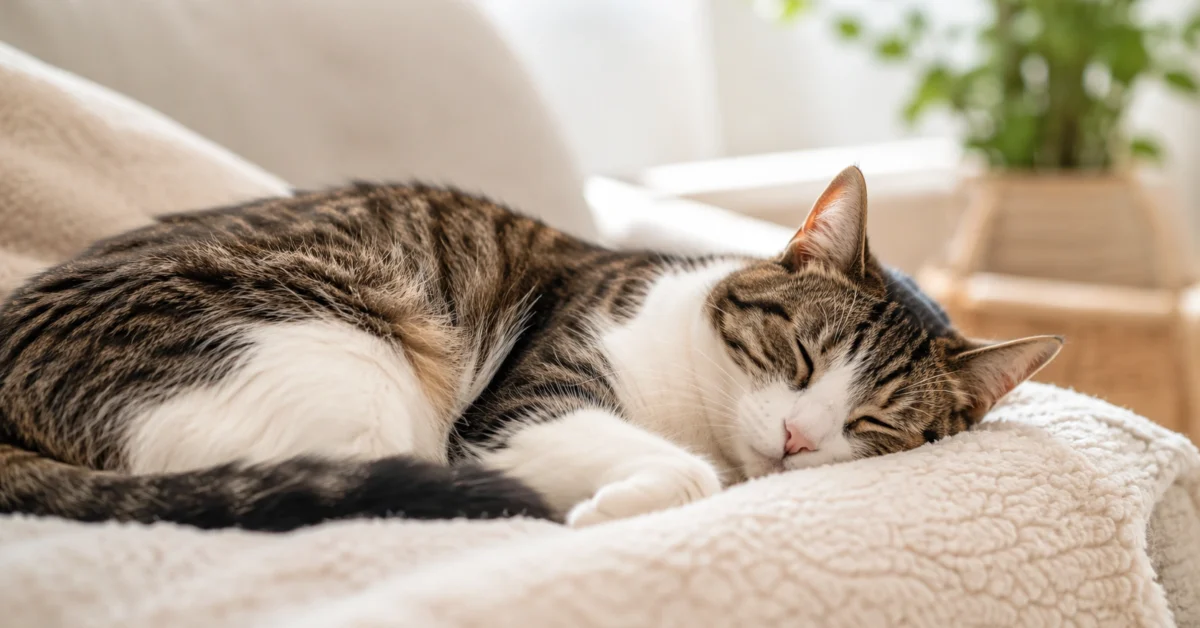
Cats naturally sleep for 12–16 hours a day, and some may sleep even longer depending on their age, activity level, and health. Learn what’s normal, what can affect your cat’s sleeping habits, and when excessive sleep could be a sign that it’s time to speak with your veterinarian.
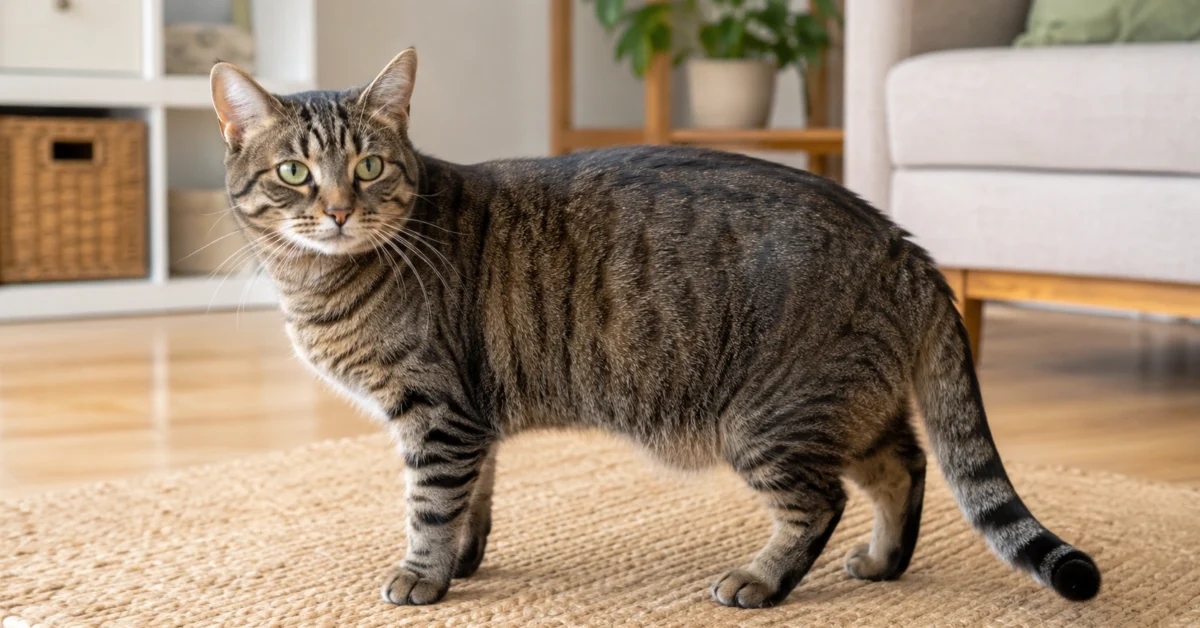
A cat body condition score helps assess whether a cat is underweight, overweight, or at a healthy size by checking body shape, ribs, waist, and abdominal profile.
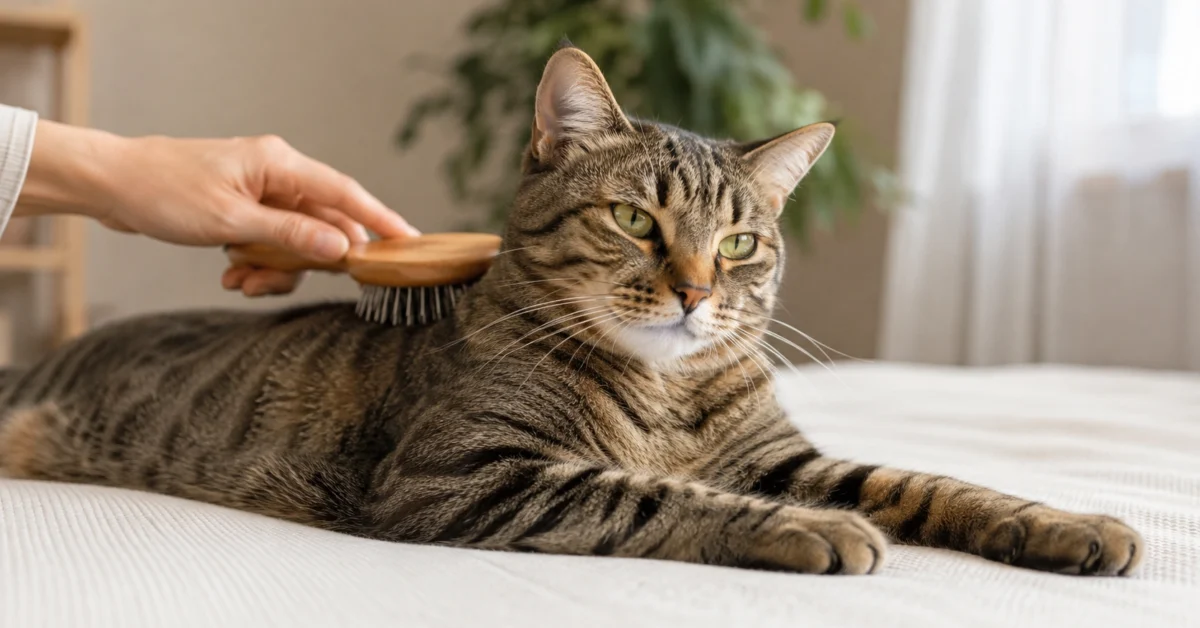
Regular grooming helps keep your cat’s coat clean, reduces loose fur, and gives you a chance to check for skin or health problems. Learn how to groom your cat safely and comfortably at home.
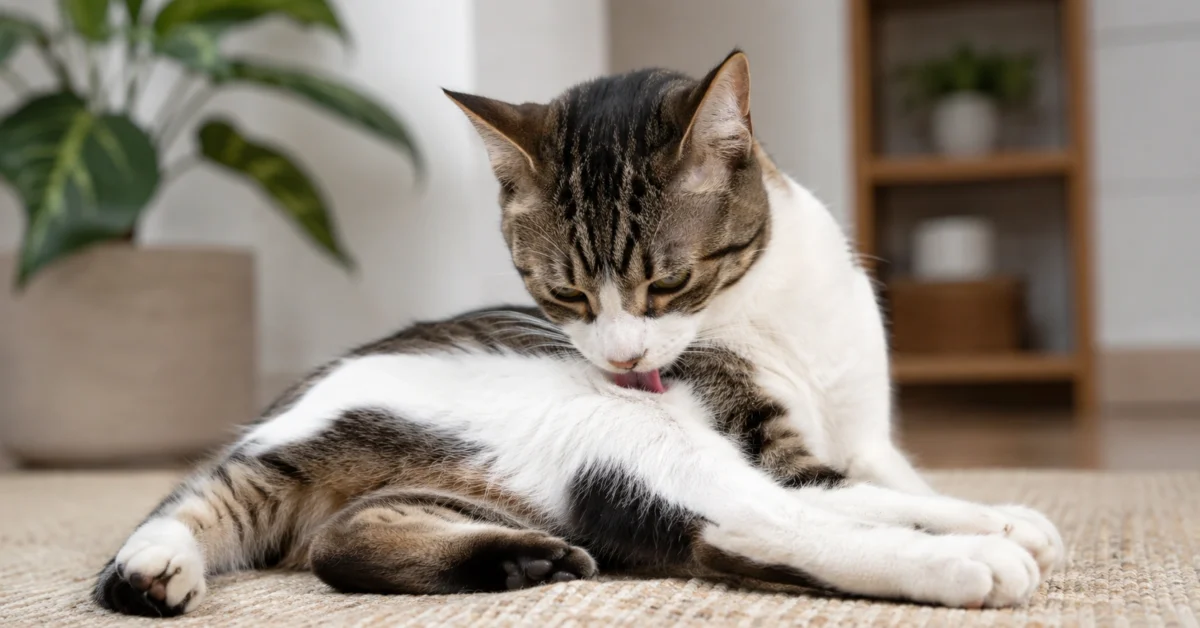
A cat may overgroom because of stress, skin irritation, pain, parasites, or allergies. Learn what to check, how to reduce stress, and when to contact a vet.
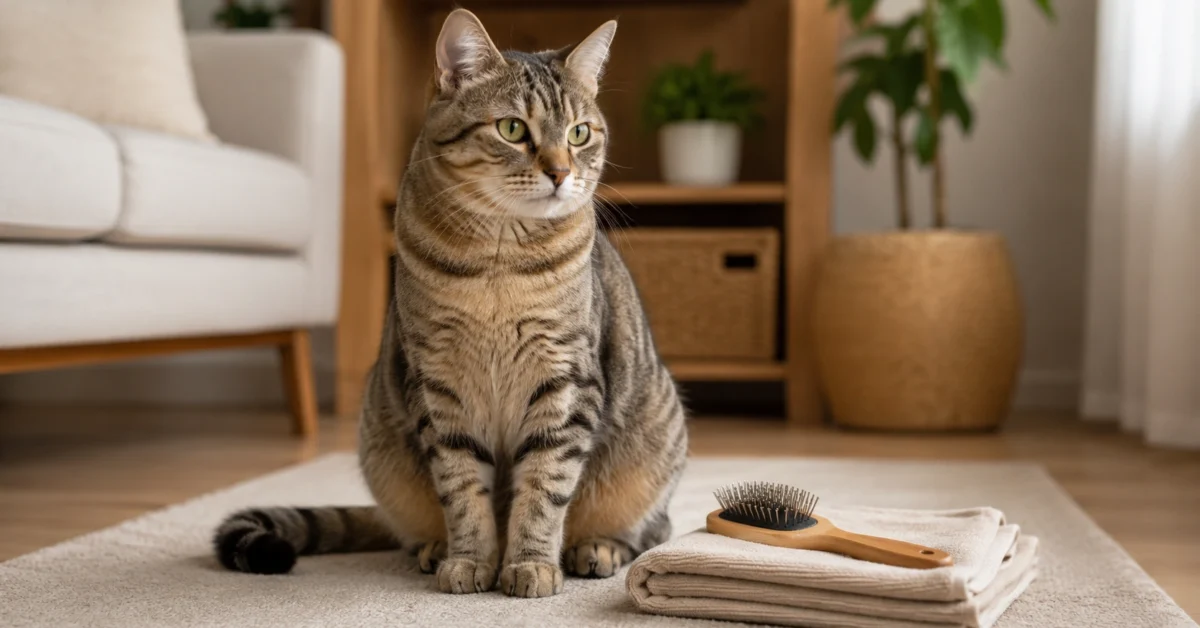
Cat dandruff may be linked to dry skin, grooming difficulties, weight, parasites, allergies, or an underlying health issue. Learn what to check and when veterinary advice may be needed.
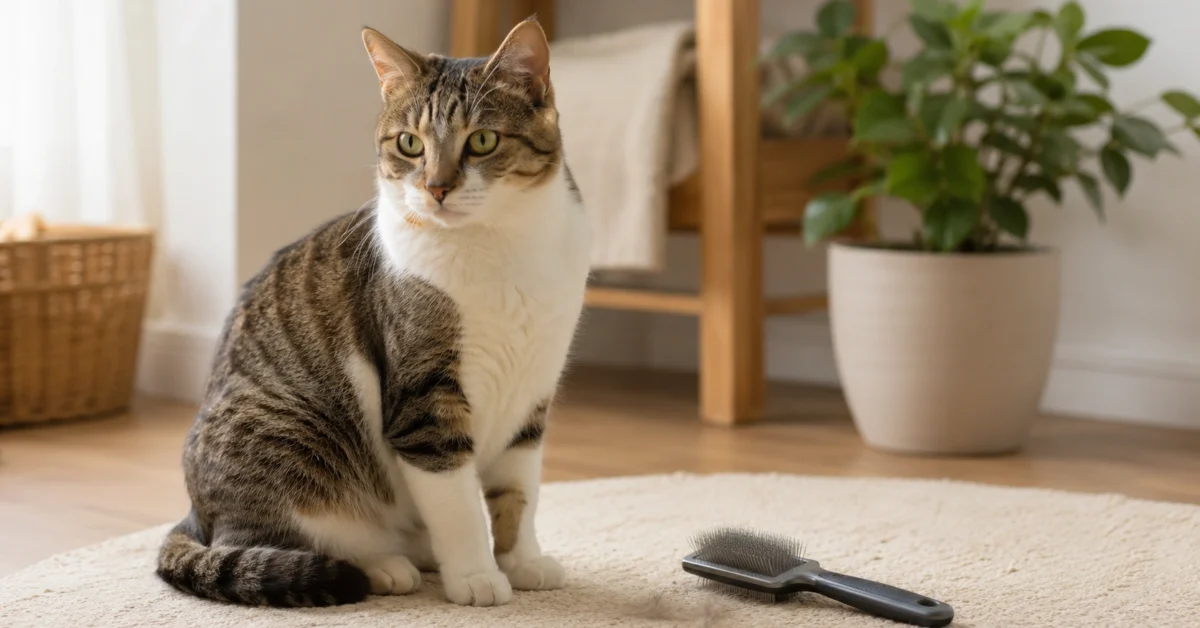
Cats may shed more because of seasonal changes, stress, diet, grooming habits, or skin problems. Learn what is normal, what to check, and when to contact a vet.
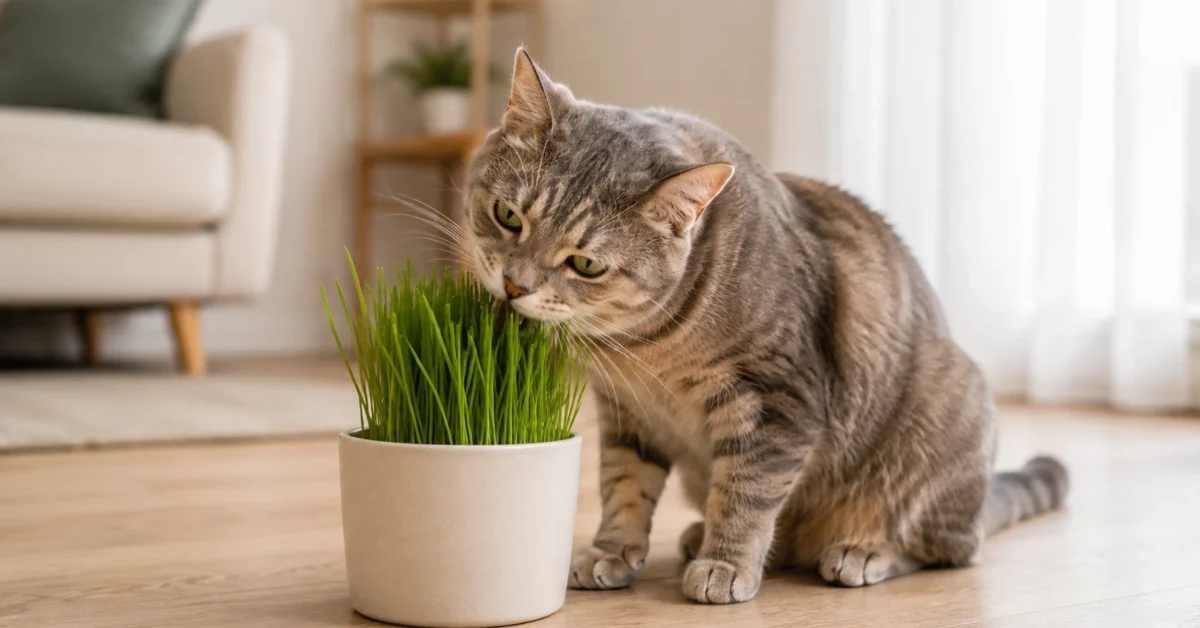
Cats may eat grass because they enjoy the texture, are curious, want something to chew, or are following a natural instinct. Learn when grass eating is harmless and when it may need veterinary attention.
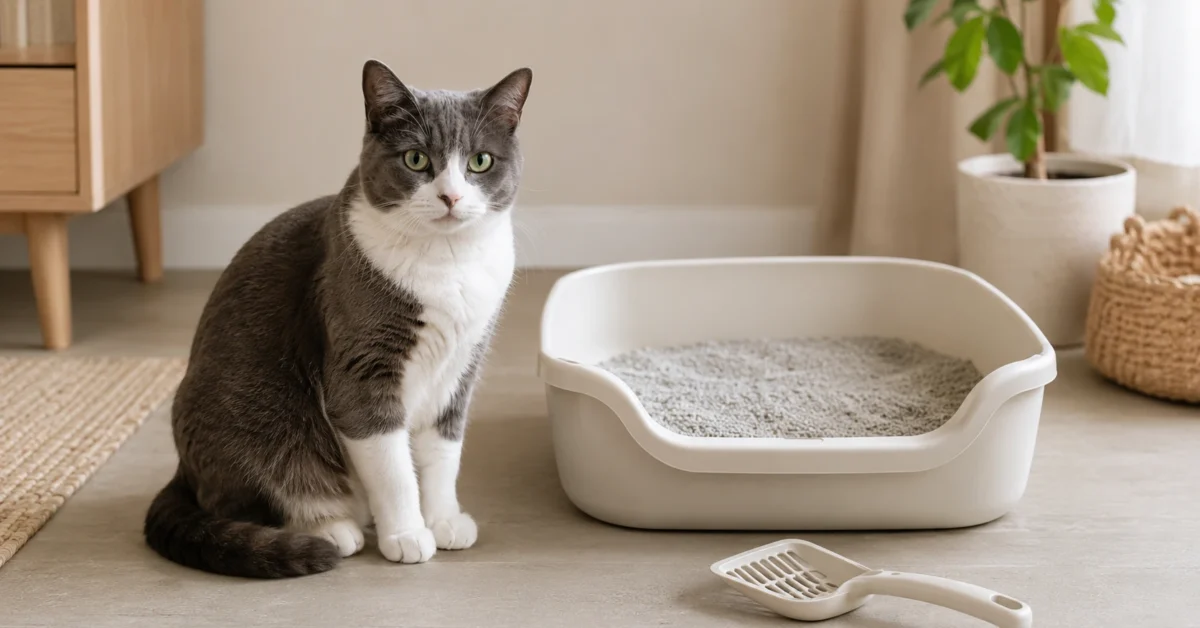
A clean litter box helps keep your cat comfortable and encourages good litter box habits. Learn how often to scoop, replace the litter, and clean the box properly.
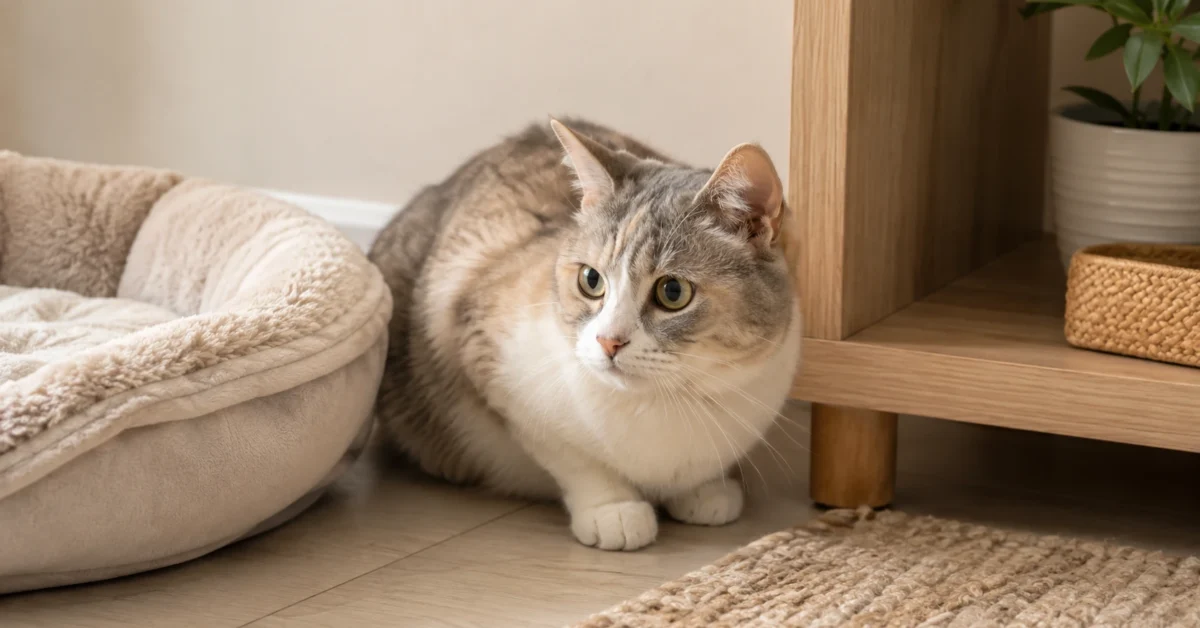
A nervous cat needs calm routines, safe hiding places, and gentle handling. Learn how to help your cat feel safer at home without forcing interaction too quickly.