
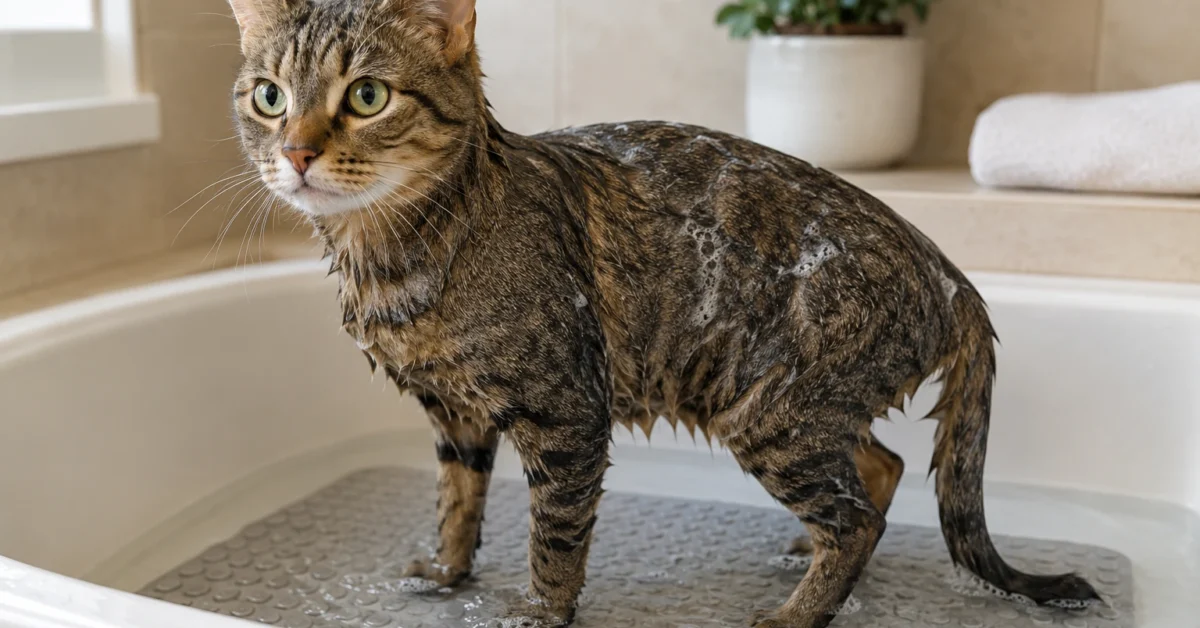
Do Cats Need Baths?
Most healthy cats do not need routine baths, but bathing may sometimes be necessary. Learn when to brush, spot-clean, bathe, or seek professional help.
Most healthy cats do not need routine baths, but bathing may sometimes be necessary. Learn when to brush, spot-clean, bathe, or seek professional help.
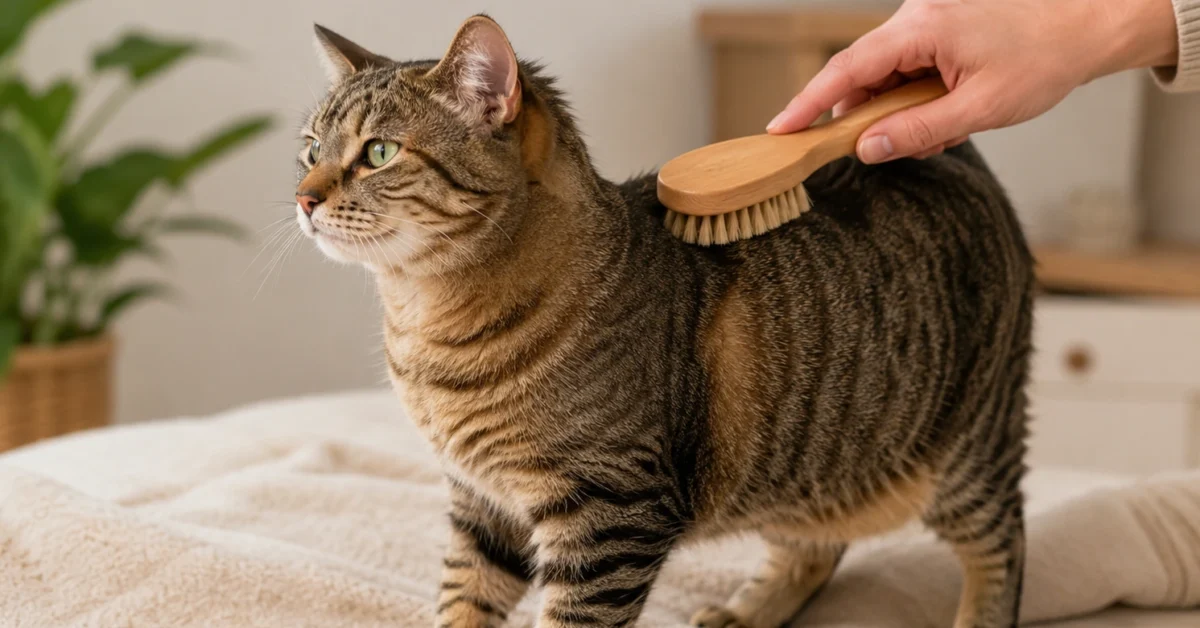
Learn how often to brush your cat based on coat length, shedding, age, mobility, and grooming ability, plus signs that the routine may need adjusting.
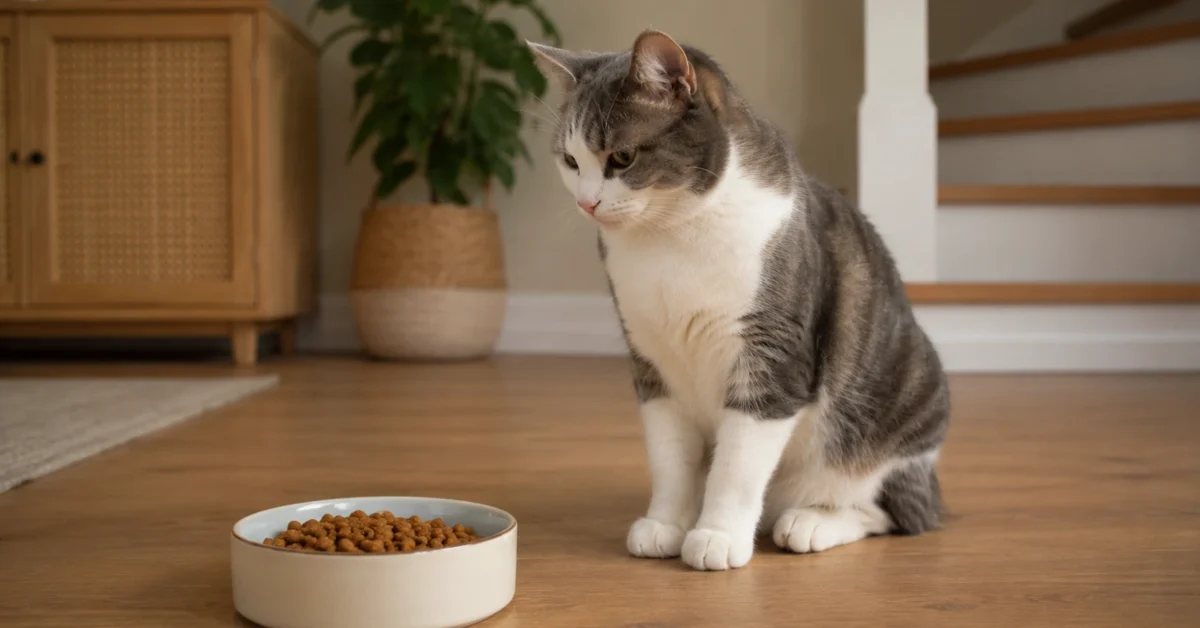
A cat not eating can be caused by stress, dental pain, nausea, illness, food changes, or environmental problems. Learn what to check, when to monitor, and when to contact a vet.
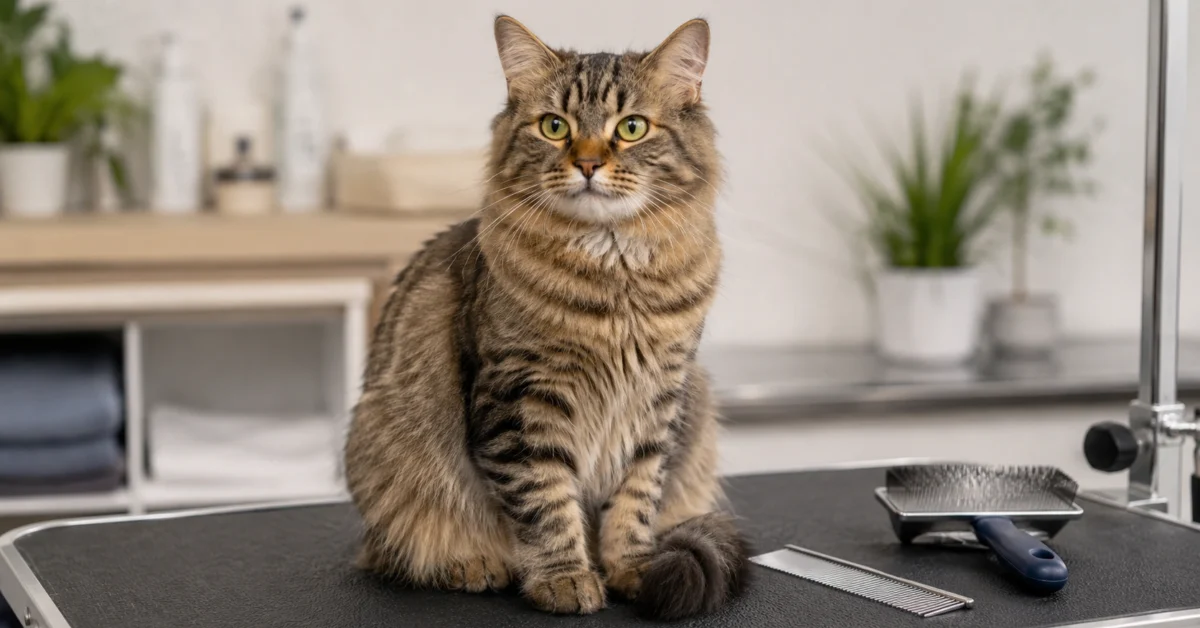
Most cats do not need regular professional grooming, but it may help long-haired, senior, overweight, disabled, or heavily matted cats. Learn when professional care is useful.
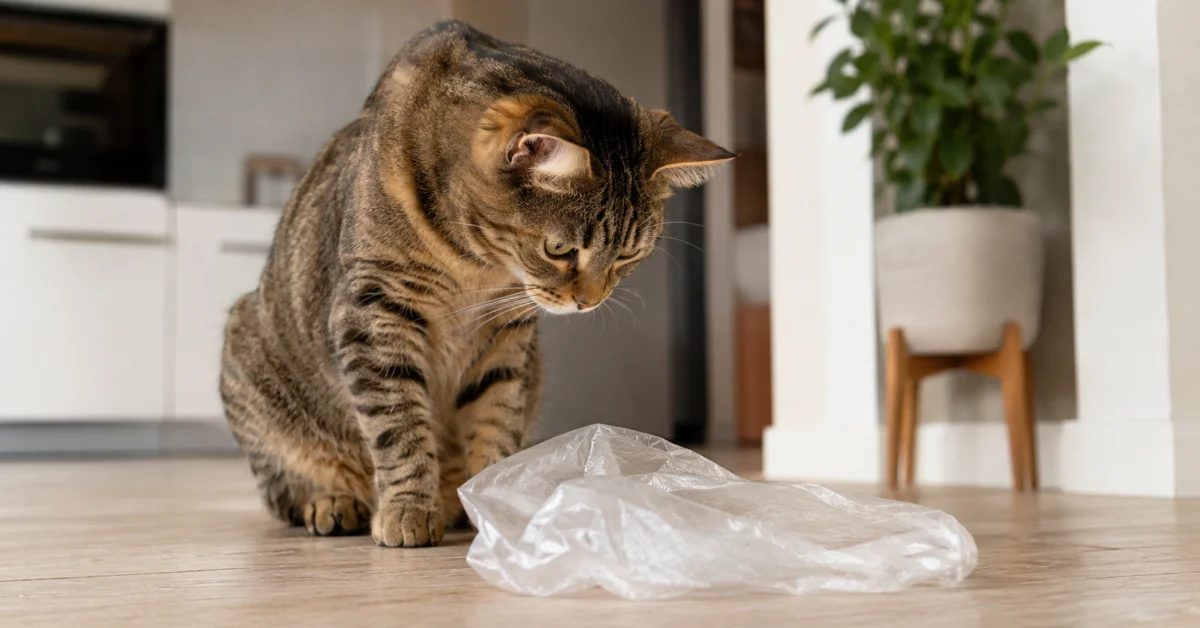
Cats may lick plastic because of its smell, texture, food residue, boredom, stress, or an underlying health issue. Learn what the behavior may mean, how to reduce access safely, and when to contact a veterinarian.
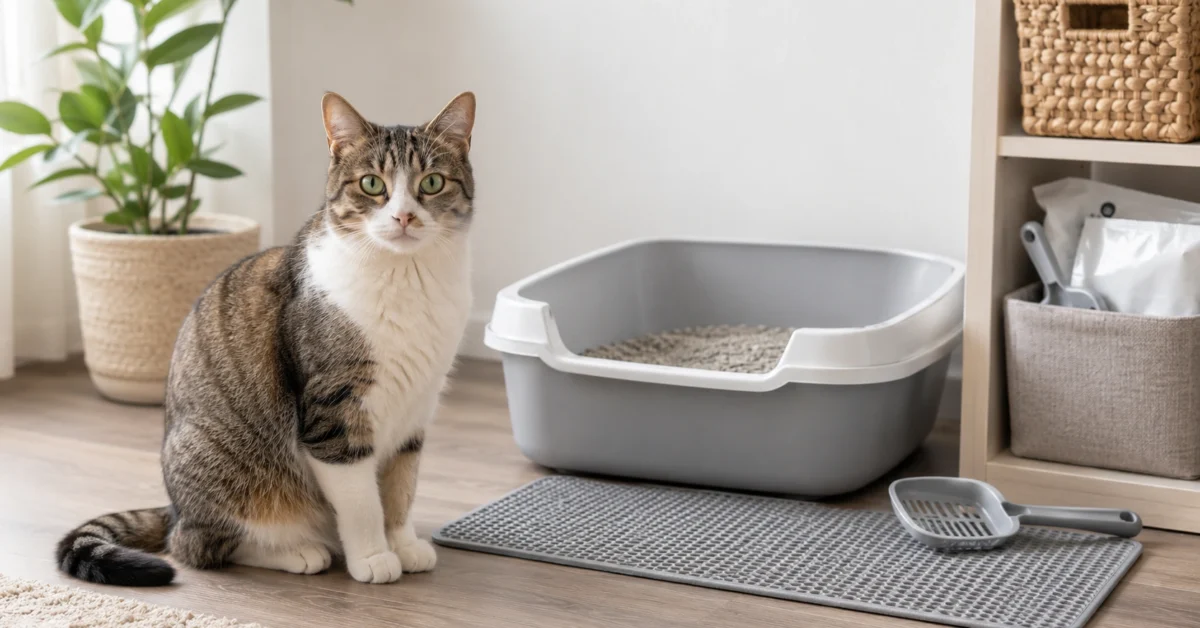
Some cat worms can infect people, although the risk is usually low with good hygiene, regular veterinary care, and proper parasite prevention. Learn how transmission happens and how to reduce the risk.
Indoor cats can still get fleas through people, other pets, open doors, shared spaces, or flea eggs brought into the home. Learn how infestations happen and what to do next.
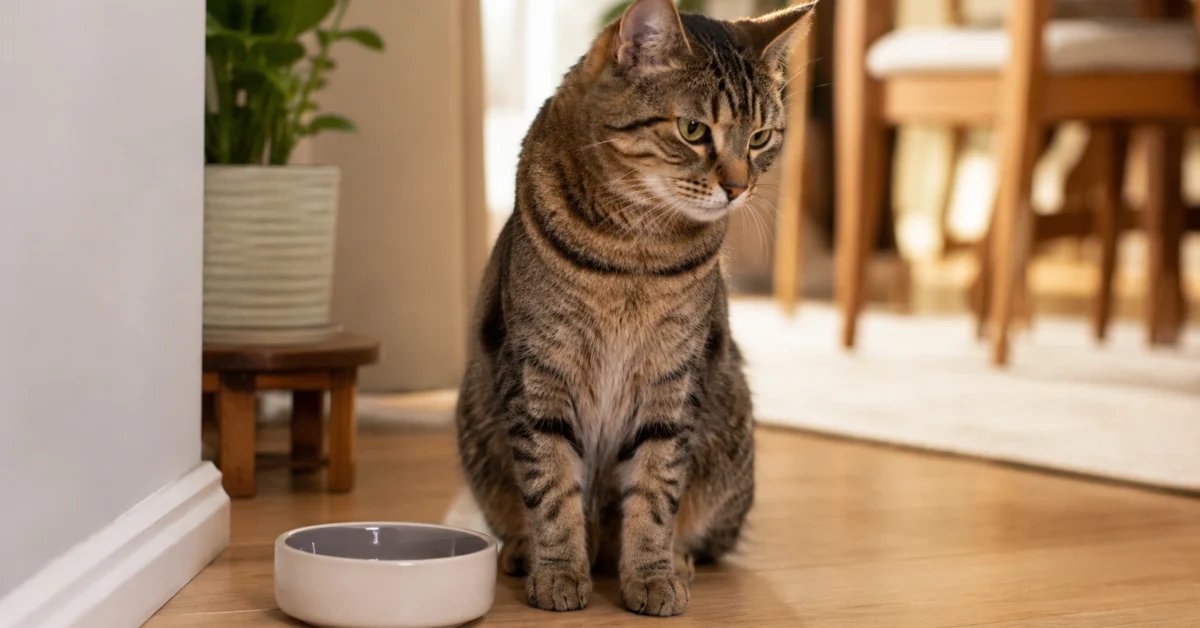
Why does your cat throw up after eating? Learn the most common causes, when occasional vomiting is normal, when it may signal a health problem, and what you can do to help.
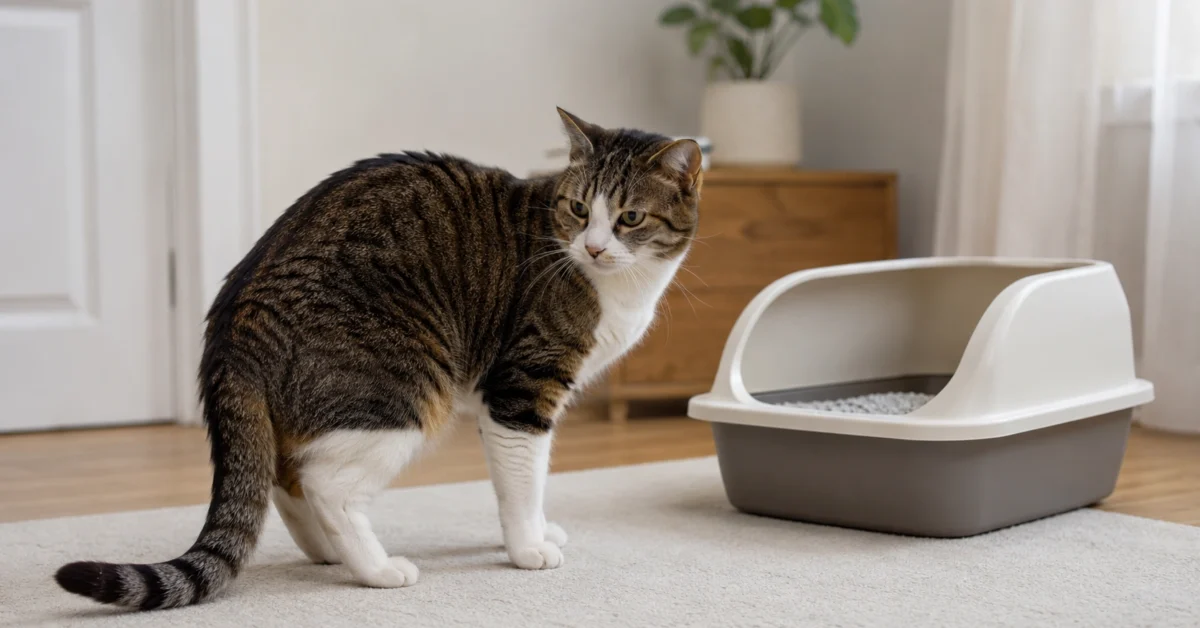
Is your cat peeing outside the litter box? Learn the common behavioral, medical, and litter box-related causes, plus practical steps that may help.
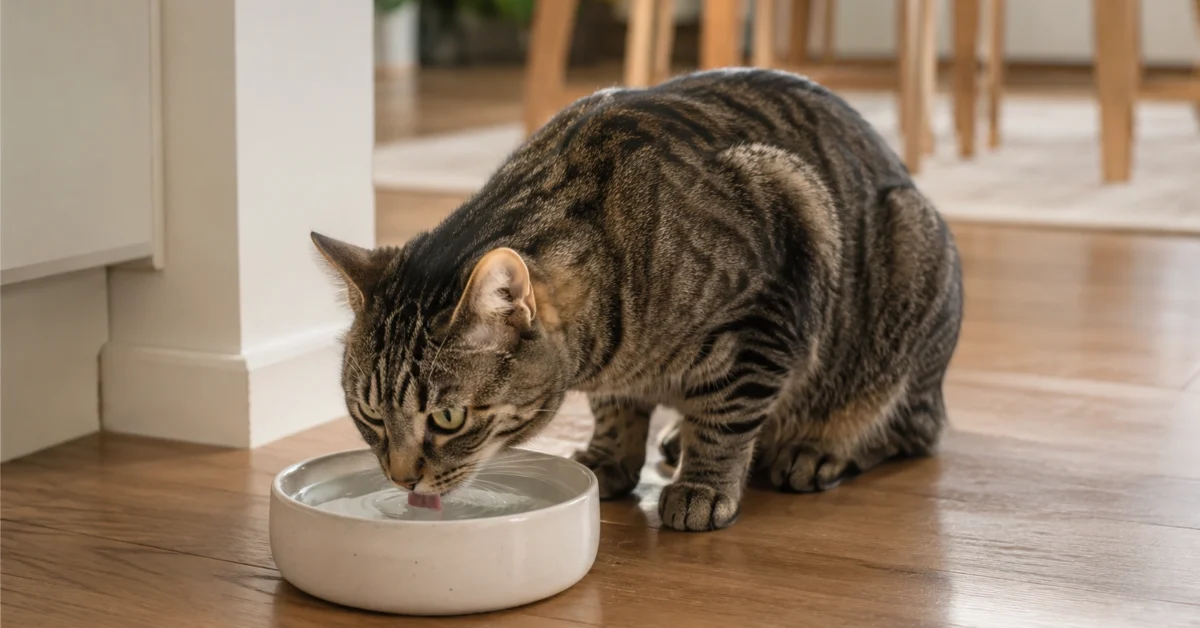
Drinking more water than usual can happen because of heat, diet, activity, medication, or an underlying health issue. Learn what changes to watch for, when increased thirst may be normal, and when to contact your veterinarian.