
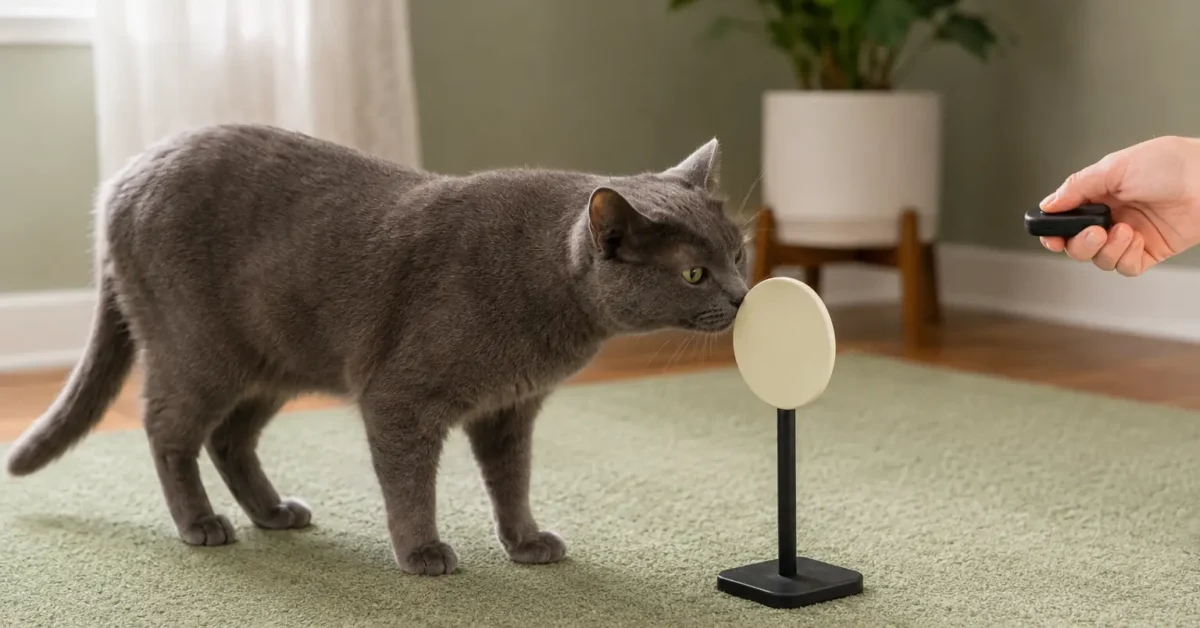
How to Clicker Train Your Cat
A beginner-friendly method for conditioning a clicker, marking voluntary behavior at the right moment, shaping small steps, and keeping cat training calm and optional.
A beginner-friendly method for conditioning a clicker, marking voluntary behavior at the right moment, shaping small steps, and keeping cat training calm and optional.
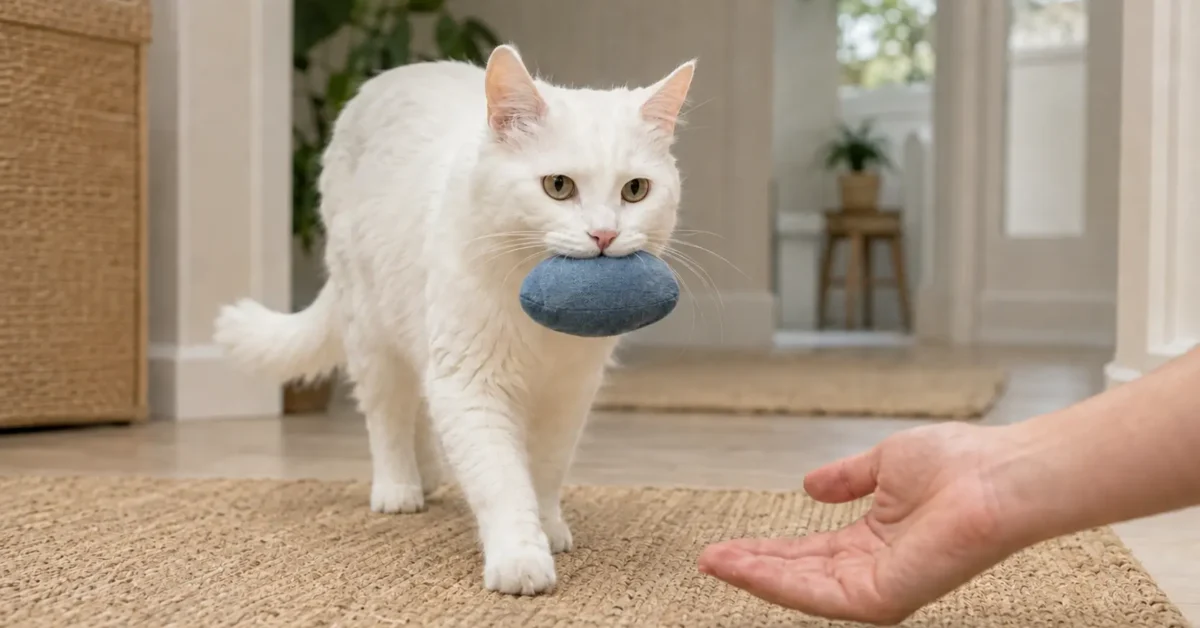
Teach fetch by rewarding the small behaviors your cat already offers, then gradually combine chase, pickup, return, and a calm voluntary release.
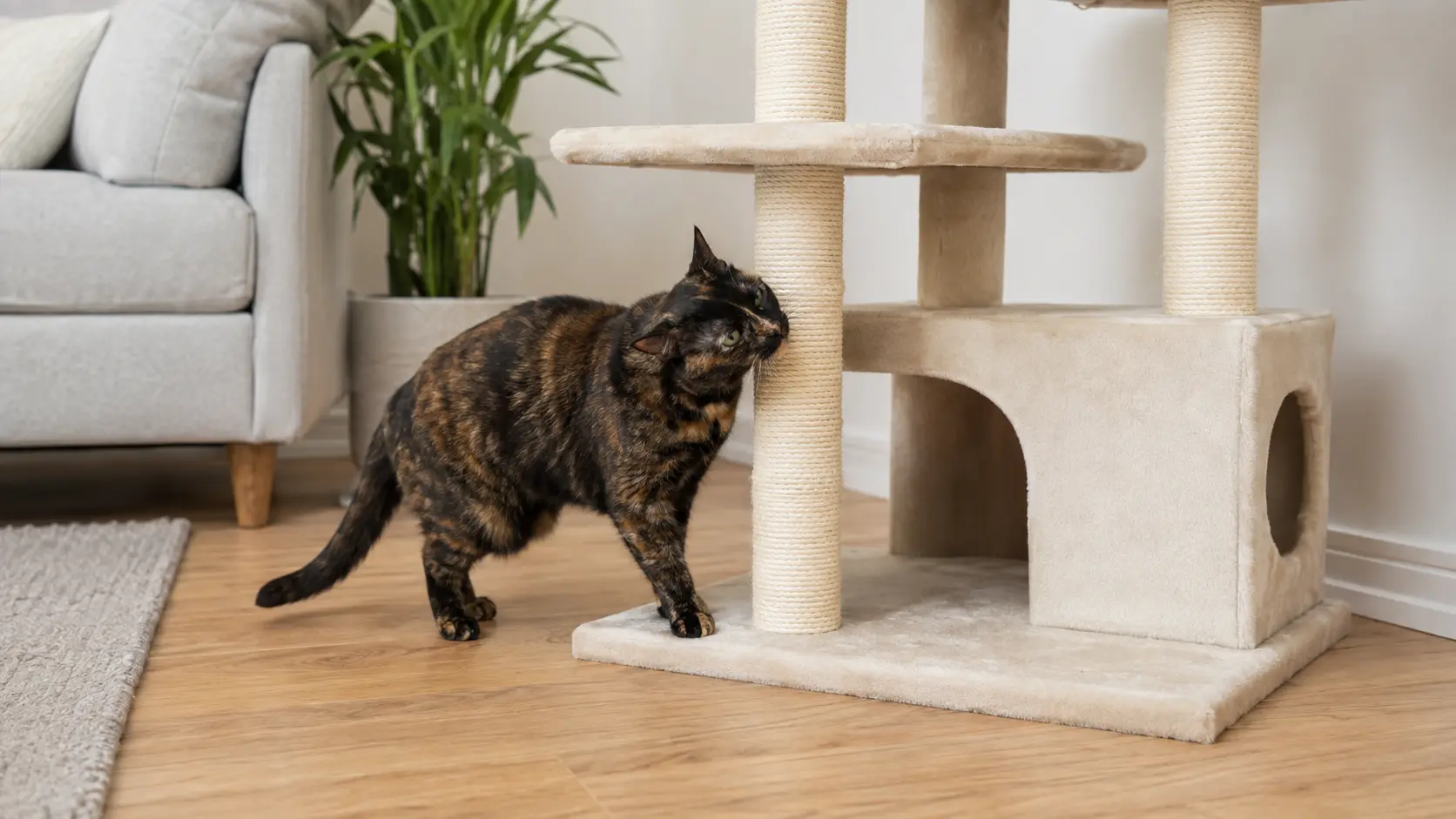
If your cat ignores a cat tree, start with safety, access, purpose, and preference. Then test one calm, voluntary change at a time without forcing use.
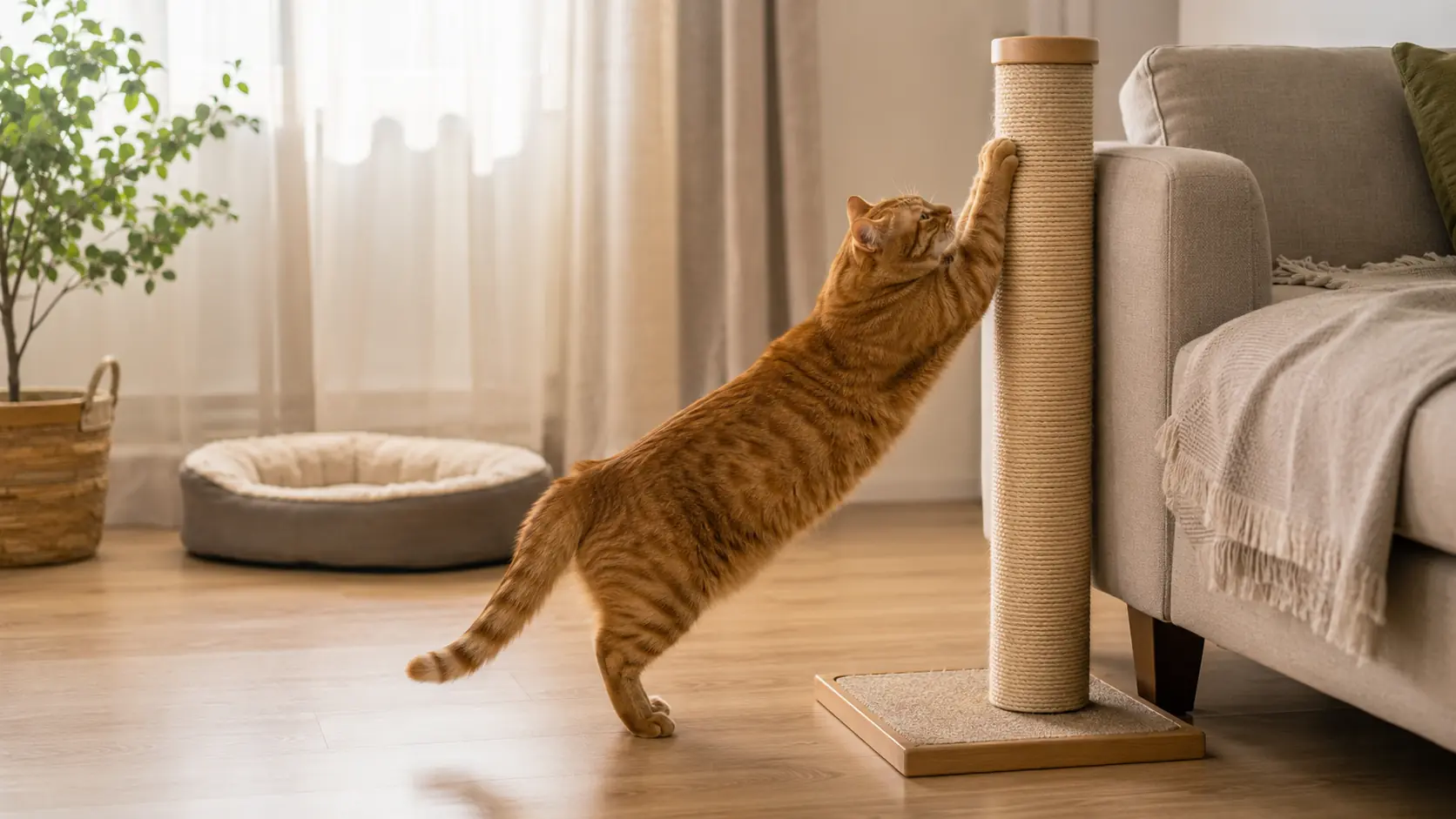
Put your cat’s scratching post where it is meaningful, accessible, and likely to be used. Build a placement map from scratching targets, resting areas, household routes, mobility, and multi-cat access.
Where Should You Put Your Cat’s Scratching Post? Read More »
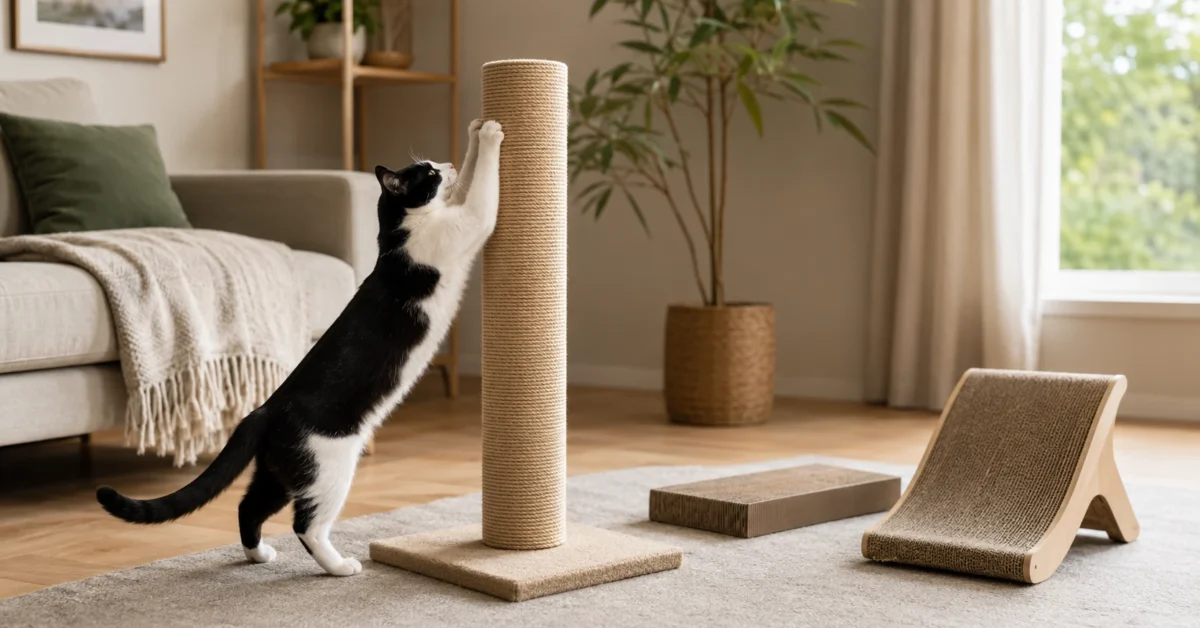
The best scratching post depends on how your cat scratches. Compare angles, usable size, stability, materials, placement, and accessibility before buying.
What Type of Scratching Post Is Best for Your Cat? Read More »
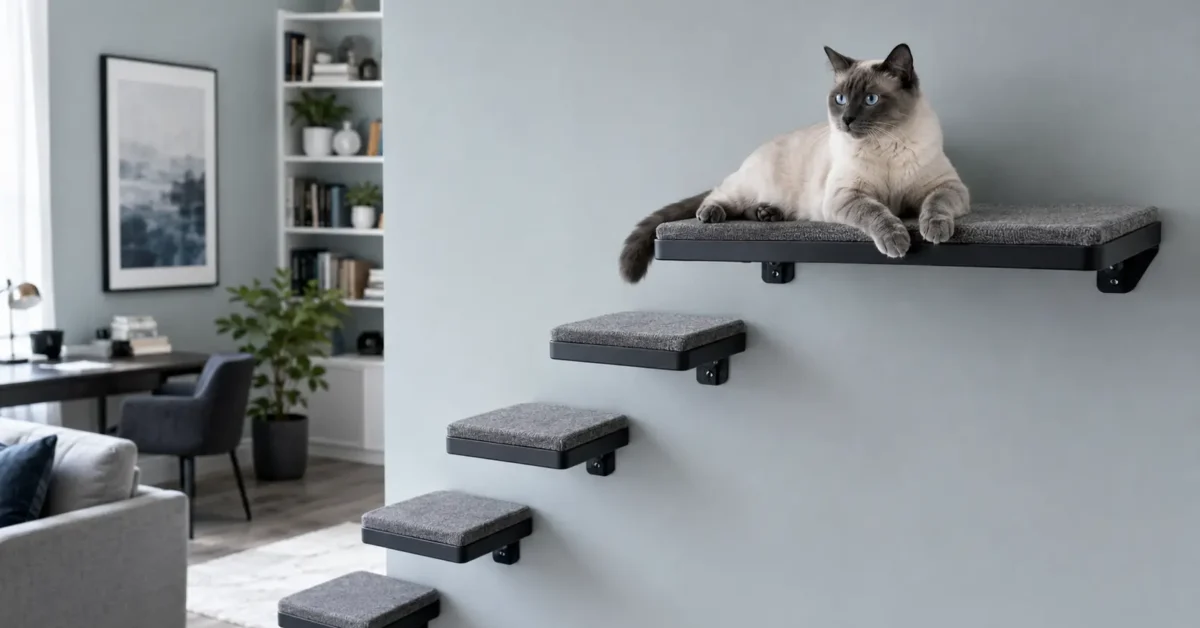
Cats often seek high places for observation, distance, security, and additional usable territory. Learn how to interpret the behavior and provide stable, accessible vertical choices that suit your individual cat.
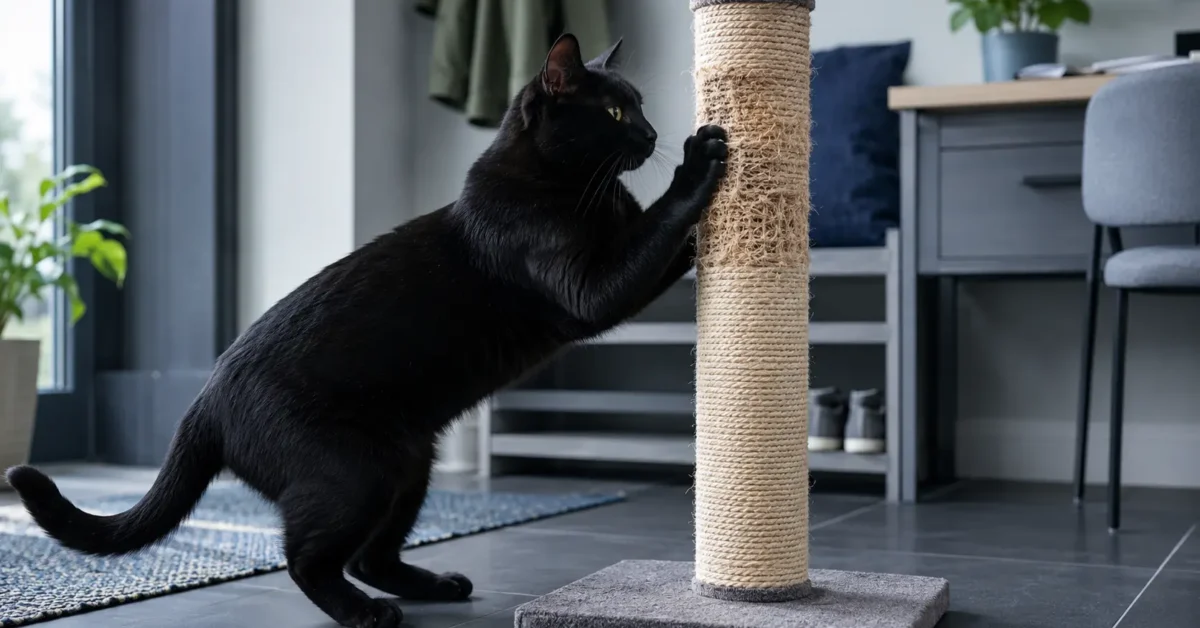
Excerpt: A worn scratching post may still be safe and appealing. Learn how to inspect its stability, materials and hidden hazards before deciding whether to keep, repair or replace it.
When Should You Replace Your Cat’s Scratching Post? Read More »
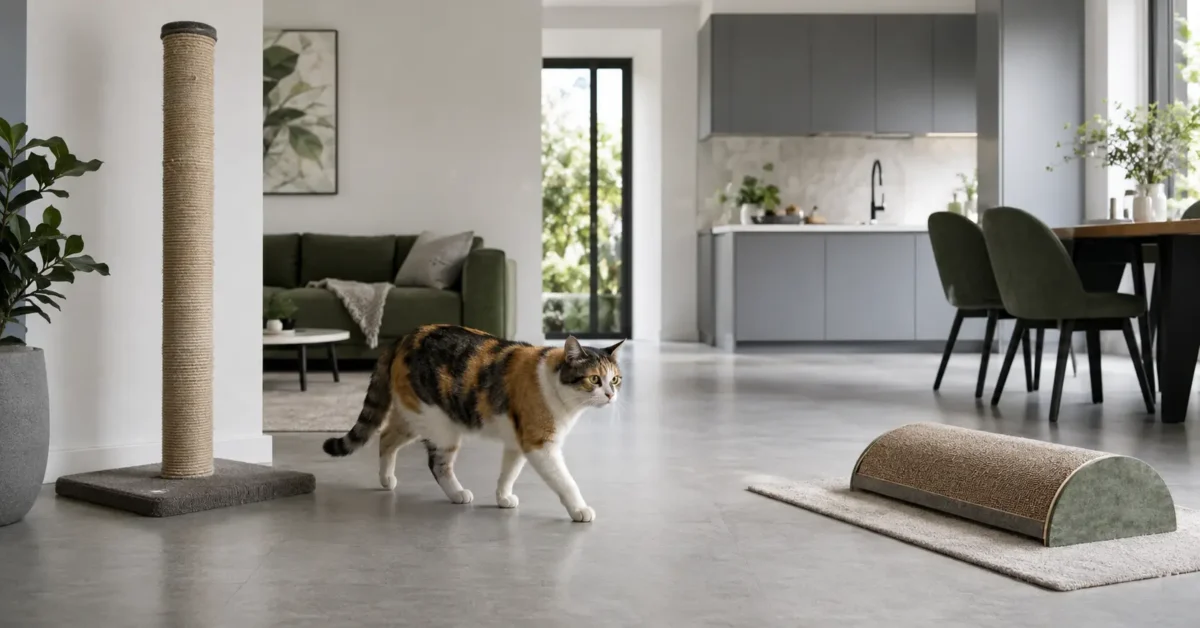
There is no universal number of scratching posts for every cat. Use this practical framework to judge quantity, distribution, accessibility and individual preferences.
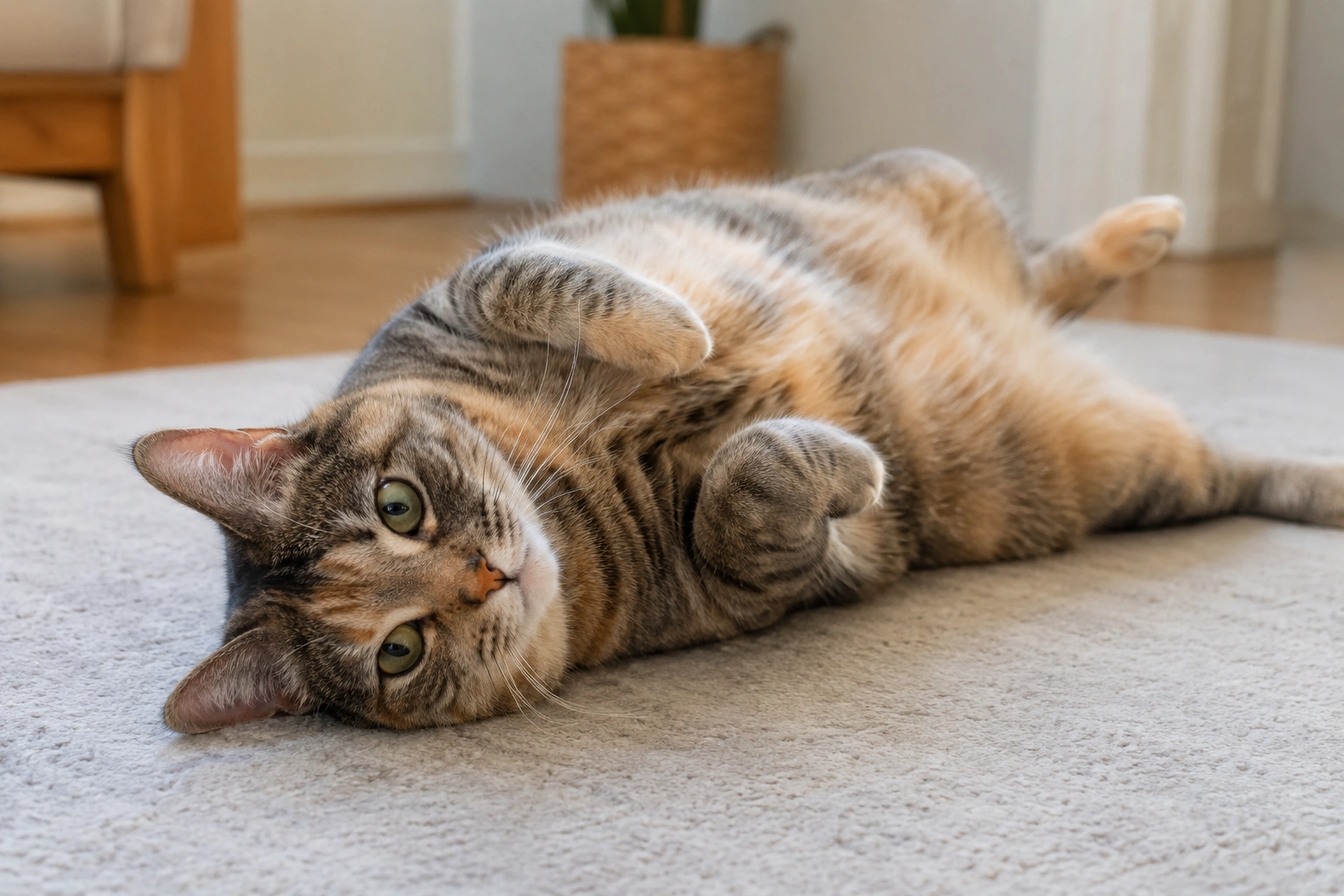
Cats may roll over when they see you as a greeting, a sign of trust, an invitation to interact, or a request for attention. Learn what this behavior means and whether your cat wants a belly rub.
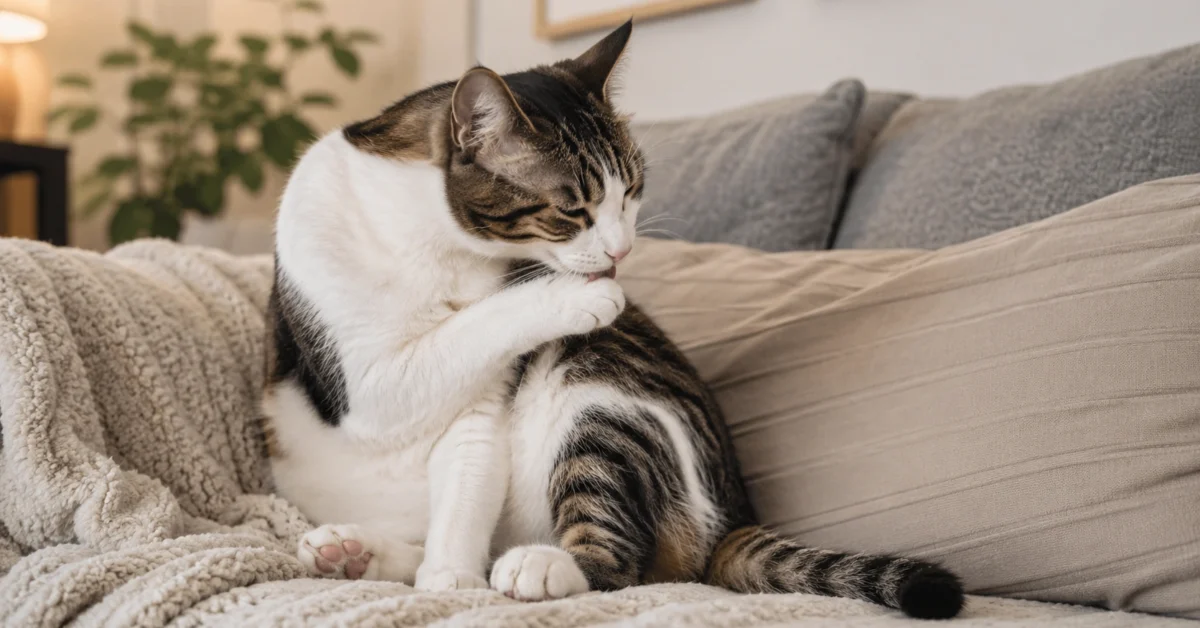
Cats may groom themselves after being petted to smooth their fur, restore their scent, relax, or respond to overstimulation. Learn what this behavior usually means and when it may signal discomfort.
Why Does My Cat Groom Themselves After I Pet Them? Read More »