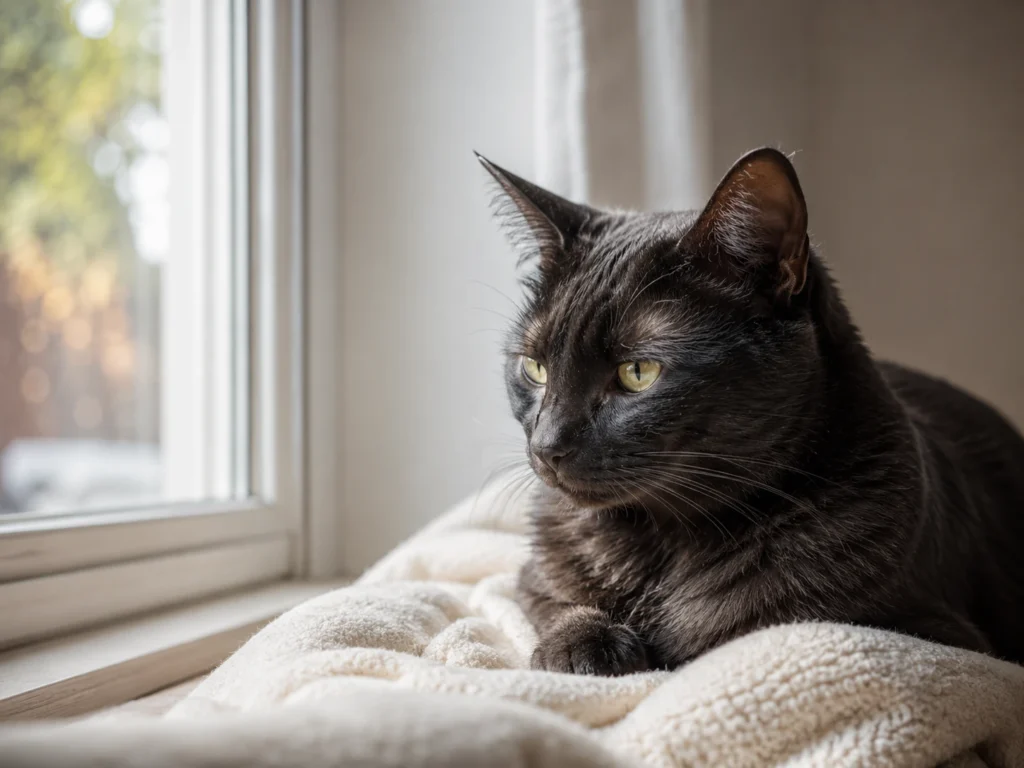
Most cats spend plenty of time cleaning their own coats, but that does not mean they never need help. Regular brushing removes loose hair, helps prevent tangles, and gives you a chance to notice changes in the coat or skin.
The difficult part is deciding how often to do it.
Some short-haired cats remain comfortable with a weekly brushing session. Long-haired cats may need attention every day to prevent their fur from becoming tangled or matted. Many cats fall somewhere between these two schedules.
The right routine depends on more than coat length. Shedding, coat density, age, weight, mobility, health, self-grooming ability, and the cat’s tolerance of being handled can all affect how frequently brushing is needed.
Quick Answer
A practical starting schedule is:
- Short-haired cats: Around once a week.
- Medium-haired or dense-coated cats: Often two or three short sessions a week, adjusted according to loose fur and tangles.
- Long-haired or mat-prone cats: Daily or near-daily brushing is often needed.
- Heavy shedders: Temporarily increase the frequency when loose hair builds up more quickly.
- Older, overweight, disabled, or unwell cats: Use regular, brief coat checks and provide additional brushing support when they cannot groom themselves effectively.
These are starting points rather than fixed rules. Cats Protection explains that brushing frequency depends on both fur length and the individual cat.
The condition of your cat’s coat between sessions is more important than following an exact calendar. If tangles, clumps, or large amounts of loose hair appear before the next scheduled brushing, your cat may need more frequent attention.
For a broader guide covering coat checks, brushing technique, mats, nails, ears, eyes, and bathing, see How to Groom Your Cat at Home.
Why Brushing Frequency Varies
Two cats with coats that look similar may have very different grooming needs.
One may have a fine coat that rarely tangles, while the other has a dense undercoat that collects loose hair. One cat may groom every part of the body thoroughly, while another may struggle to reach the hips, lower back, belly, or tail base.
The main factors affecting brushing frequency include:
- coat length;
- coat thickness and density;
- the presence of an undercoat;
- how easily the fur tangles;
- the amount of loose hair;
- seasonal or temporary increases in shedding;
- the cat’s age and flexibility;
- weight or mobility difficulties;
- skin and coat condition;
- how effectively the cat grooms itself;
- how comfortable the cat is with brushing.
A useful brushing routine should respond to the individual cat rather than rely entirely on a breed description or a general timetable.
How Often Should You Brush a Short-Haired Cat?
Many healthy short-haired cats do well with brushing around once a week.
A weekly session can remove loose hair and give you an opportunity to check the condition of the coat and skin. Regular brushing can also reduce the amount of loose hair your cat swallows while grooming. The Cornell Feline Health Center notes that brushing removes loose fur and can help reduce hairball problems.
Some short-haired cats need brushing more often. This may include cats that:
- shed heavily;
- have a thick or dense undercoat;
- develop small clumps of loose fur;
- regularly cough up hairballs;
- cannot reach every part of their body;
- have reduced mobility or flexibility.
During heavier shedding periods, two or more short sessions each week may work better than one longer session.
The goal is not to remove every loose hair. It is to keep the coat comfortable and manageable without irritating the skin or making brushing stressful.
How Often Should You Brush a Medium-Haired or Dense-Coated Cat?
Medium-haired cats do not fit neatly into one schedule.
Some have relatively manageable coats and may need brushing only once or twice a week. Others have thick undercoats or areas that tangle easily and may need attention every day or two.
Two or three short sessions a week can be a useful starting point, but the condition of the coat should guide you.
Check areas where the fur rubs together or where your cat may find grooming difficult, including:
- behind the ears;
- under the front legs;
- around the chest;
- along the belly;
- around the hips;
- near the base of the tail.
If small tangles begin forming before the next planned session, shorten the interval between sessions. If the coat remains smooth, clean, and free from clumps, the current routine may be sufficient.
How Often Should You Brush a Long-Haired Cat?
Long-haired cats commonly need daily or near-daily coat care.
Long fur can tangle before the problem is obvious from the surface. Once a knot tightens into a mat, it can pull against the skin and become uncomfortable or painful.
Daily brushing does not have to mean one long session. Several brief sessions may be easier for both the cat and the owner.
Pay particular attention to areas where friction and movement encourage tangles, such as:
- behind the ears;
- beneath the front legs;
- around the chest and neck;
- along the belly;
- behind the back legs;
- around the hips;
- near the tail base.
Preventing tangles is much easier than dealing with an established mat. How to Prevent Mats in Your Cat’s Fur explains how to remove loose hair, check beneath the visible coat, and recognize when an early tangle is no longer safe to handle at home.
Do not pull forcefully at tight mats. You should also avoid trying to cut a close or difficult mat out with scissors. Cats can move suddenly, and the skin beneath the coat can be injured. The ASPCA recommends professional help when a mat cannot be brushed out safely.
If a mat is tight, extensive, painful, or close to the skin, follow our guide to what to do if your cat has matted fur and arrange help from a veterinarian or appropriately qualified professional groomer.
Should You Brush More During Heavy Shedding?
It can be useful to increase brushing when your cat is releasing more loose hair than usual.
Regular brushing removes some of that hair before it falls around the home or is swallowed during self-grooming. It may therefore help reduce some hairball problems, although brushing cannot prevent every hairball. To manage the fur that still reaches furniture, floors, and clothing, combine coat care with a practical household hair-removal routine.
Increase the frequency gradually rather than brushing harder or extending each session until the cat becomes uncomfortable.
For example, a short-haired cat that normally receives one weekly session may benefit from two or three shorter sessions while shedding more heavily.
For a fuller explanation of normal shedding and warning signs, see Why Is My Cat Shedding So Much?.
Shedding is not always a problem. However, bald areas, irritated skin, sudden excessive hair loss, or a noticeable decline in coat condition should not be dismissed as ordinary seasonal shedding.
Cats That May Need Extra Brushing Support
Some cats need more help even when their coats are not especially long.
Older Cats
Older cats may become less flexible and find it difficult to reach the lower back, hips, legs, or rear of the body. Loose fur can collect in these areas, and small tangles may begin to form.
Gentle brushing can help maintain the coat. However, a sudden reduction in self-grooming may also be associated with pain, reduced mobility, dental trouble, or illness. For practical guidance on shorter sessions, gentle pressure, comfortable positioning, and sensitive areas, see How to Groom a Senior Cat Safely.
Overweight Cats
A cat carrying excess weight may struggle to bend and reach certain parts of the body. The fur around the lower back and tail base may become greasy, clumped, or poorly maintained.
Brushing can provide practical support, but it does not address the underlying weight or mobility problem.
Cats With Limited Mobility
Arthritis, injury, disability, or other mobility difficulties may prevent a cat from grooming normally. These cats often benefit from frequent, gentle coat checks and brief brushing sessions focused on areas they cannot reach.
Unwell Cats
Illness can affect a cat’s energy, comfort, and normal grooming habits. A coat that suddenly becomes dull, greasy, tangled, or unkempt should not automatically be treated as a simple brushing problem.
If your cat has suddenly stopped grooming normally or appears unable to maintain the coat, arrange veterinary advice rather than relying only on additional brushing.
You can also read Why Has My Cat Stopped Grooming Herself? for a fuller explanation of possible causes and warning signs.
Signs Your Cat May Need More Frequent Brushing
Your current routine may be insufficient if you regularly notice:
- loose hair building up quickly;
- small tangles appearing between sessions;
- clumps forming in high-friction areas;
- fur around the hips or lower back becoming untidy;
- areas the cat cannot reach becoming greasy or uneven;
- swallowed fur or hairballs increasing during heavy shedding;
- early signs of matting.
Small tangles are generally easier to manage than established mats. Regular coat checks are therefore particularly important for cats with long, thick, dense, or easily tangled fur.
Increasing the frequency does not mean brushing more forcefully. Two calm three-minute sessions may be more useful than one uncomfortable fifteen-minute session.
Signs Brushing Is Too Long or Too Intense
More brushing is not always better.
Cats can become overstimulated, frightened, or uncomfortable during grooming. Early warning signs may include:
- skin twitching;
- increasingly fast tail movements;
- ears turning sideways or backward;
- repeatedly looking toward the brush;
- moving away;
- becoming tense;
- growling, swatting, or biting;
- repeated attempts to leave.
Stop before the cat becomes highly agitated. A few calm strokes repeated regularly are usually more useful than one long session that causes fear or frustration.
If your cat suddenly reacts painfully when a particular area is touched, do not assume the behavior is simply impatience. Check for a hidden tangle, wound, swelling, skin irritation, or another visible problem.
Pain can also exist without an obvious visible cause, so contact your veterinarian when a reaction is new, strong, or persistent.
How to Build a Brushing Routine Your Cat Accepts
A routine is more likely to succeed when your cat remains comfortable and has some control over the interaction.
Choose a Calm Time
Approach your cat when they are settled and relaxed rather than highly active, eating, hiding, or already irritated.
Begin With Easy Areas
Many cats are more comfortable being touched around the cheeks, head, neck, shoulders, and upper back than around the belly, legs, or tail.
Begin with areas your cat already accepts before gradually introducing more sensitive parts of the coat.
Start With Only a Few Strokes
A new routine does not need to cover the entire body immediately. Begin with a few gentle strokes and stop while your cat is still calm.
Gradually increase the amount of brushing over several sessions.
Keep Sessions Short and Predictable
Short, regular sessions are often easier for a cat to accept than occasional long sessions. A predictable routine also makes it easier to notice whether the coat is becoming harder to maintain.
Allow Your Cat to Leave
Do not pin your cat down or block the escape route. Forced restraint can make future sessions more difficult and may lead to defensive scratching or biting.
If your cat walks away, wait and try again at another calm time.
For more detailed help with grooming resistance and body language, see Why Does My Cat Move Away When I Groom Them?.
Common Brushing Mistakes
Following a Schedule Without Checking the Coat
A weekly or daily schedule is only a starting point. Check whether loose fur, clumps, or tangles are developing between sessions and adjust the routine accordingly.
Waiting Until Mats Have Formed
Brushing is most useful as preventive care. Established mats can become tight, painful, and difficult to remove safely.
Brushing Harder During Heavy Shedding
Heavy shedding usually calls for more frequent gentle sessions, not additional pressure.
Trying to Finish the Entire Coat at Once
A cat that becomes restless after a short time may respond better to several brief sessions covering different areas.
Forcing the Cat to Stay
Holding a frightened or irritated cat in place can make brushing more stressful and may make future sessions harder.
Pulling at Knots or Using Scissors
Pulling can hurt, while scissors can cut the skin beneath a mat. Tight, painful, extensive, or close-fitting mats should be dealt with professionally.
Assuming Every Coat Change Needs More Brushing
A suddenly greasy, dull, thin, painful, or poorly maintained coat may be associated with a health or mobility problem. Brushing may help remove loose hair, but it should not replace veterinary assessment. If the coat is dirty or soiled rather than simply shedding, Do Cats Need Baths? explains when spot-cleaning, bathing, or professional help may be more appropriate.
When to Contact a Veterinarian or Professional Groomer
Contact a veterinarian when you notice:
- a sudden reduction in normal self-grooming;
- pain or a new reaction when the coat is touched;
- bald patches or unusual hair loss;
- sores, wounds, redness, swelling, or irritated skin;
- a sudden major increase in shedding;
- a greasy, unpleasant-smelling, or rapidly deteriorating coat;
- repeated vomiting, unproductive retching, appetite loss, or lethargy;
- difficulty moving, bending, or reaching part of the body;
- other changes in appetite, energy, behavior, or litter box habits.
A professional groomer may be able to help with difficult coat maintenance or matting that cannot be managed safely at home.
However, pain, skin damage, sudden coat changes, or reduced grooming ability should be assessed by a veterinarian first. You can read Should Cats Be Professionally Groomed? for more help deciding when outside assistance is appropriate.
Brushing is routine coat care. It is not a substitute for diagnosing or treating an underlying problem.
Helpful Related Guides
- How to Groom Your Cat at Home
- Why Is My Cat Shedding So Much?
- Why Does My Cat Move Away When I Groom Them?
- Why Has My Cat Stopped Grooming Herself?
- Should Cats Be Professionally Groomed?
FAQ
Final Thoughts
How often you should brush your cat depends on the coat in front of you, not simply a rule printed on a calendar.
Around once a week is a useful starting point for many short-haired cats, while long-haired and mat-prone cats commonly need daily or near-daily care. Medium-haired cats, heavy shedders, and cats that cannot groom themselves effectively may need a routine somewhere between these schedules.
Start with a sensible frequency, check the coat between sessions, and adjust according to loose fur, tangles, grooming ability, and your cat’s comfort.
Regular brushing should help keep the coat manageable and give you an opportunity to notice changes. It should never involve force, pain, or an attempt to brush away a health problem.