
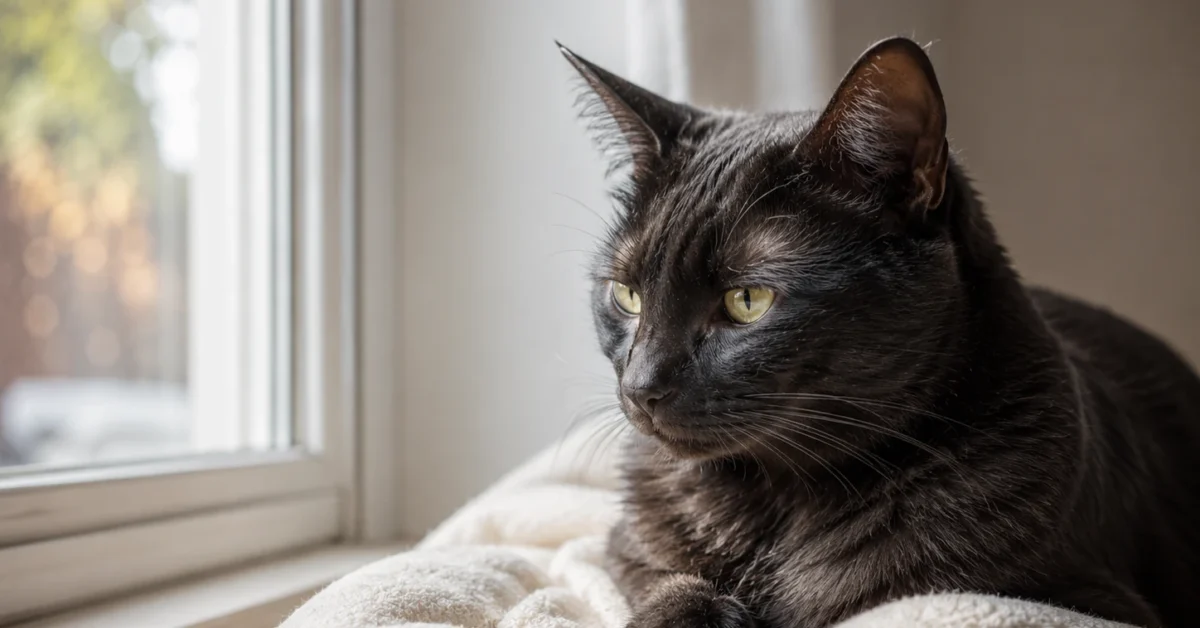
Is Your Cat Depressed?
Changes in appetite, sleep, grooming, activity, or social behavior may suggest that a cat is unhappy or unwell. Learn what to watch for, how to support your cat, and when to contact a veterinarian.
Changes in appetite, sleep, grooming, activity, or social behavior may suggest that a cat is unhappy or unwell. Learn what to watch for, how to support your cat, and when to contact a veterinarian.
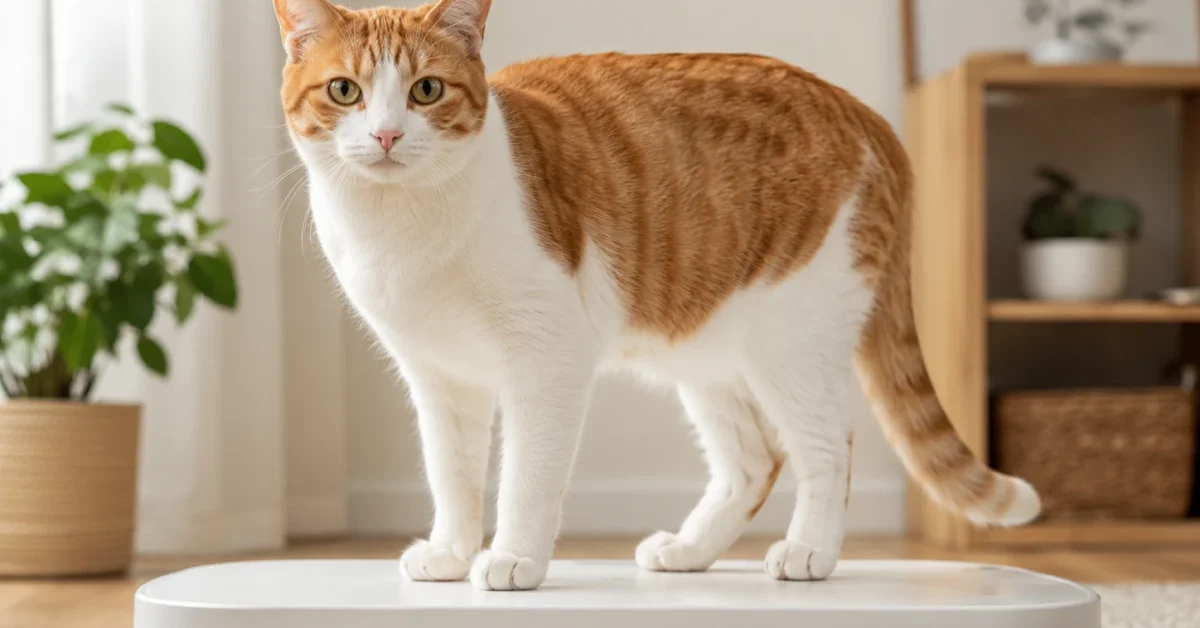
A healthy weight helps your cat stay active and reduces the risk of many health problems. Learn how much cats typically weigh, what affects a healthy weight, how to check your cat’s body condition, and when to speak with your veterinarian.
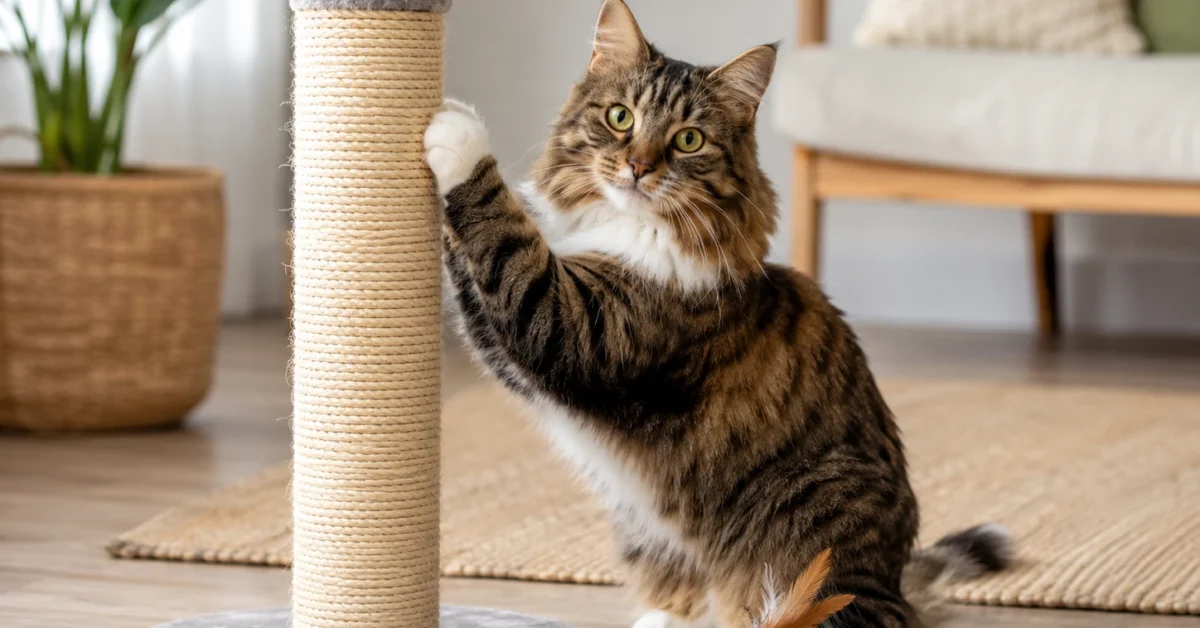
Learn how to encourage good cat behaviors using positive reinforcement, consistent routines, clear boundaries, and a cat-friendly environment. This practical guide explains how to build better habits while avoiding fear, punishment, and unnecessary confusion.
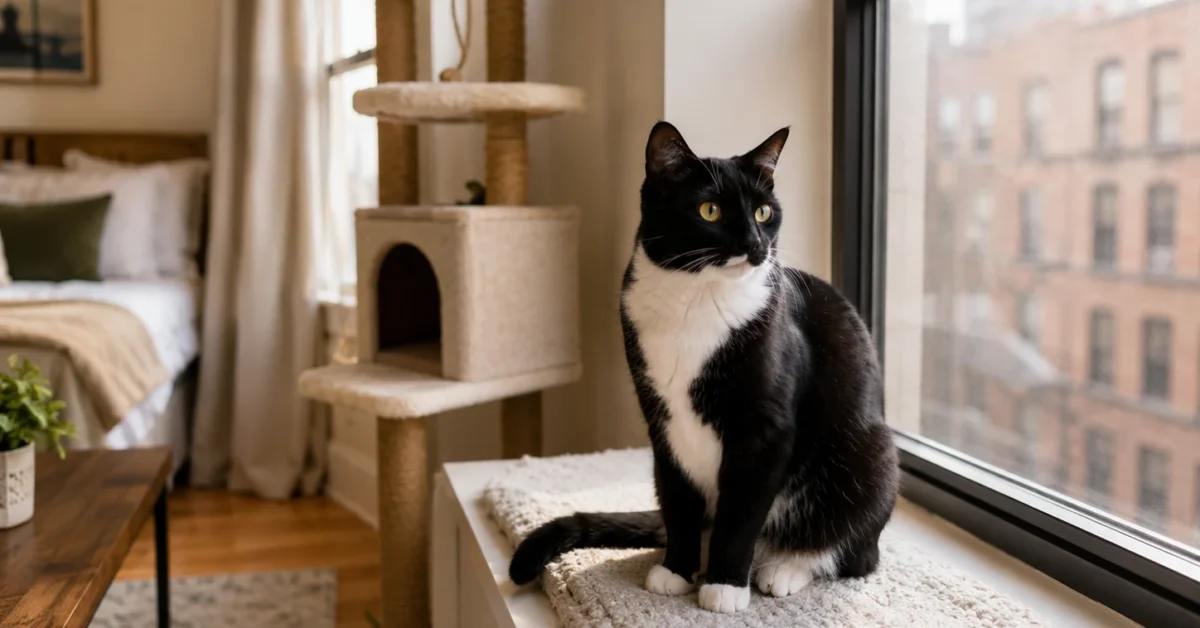
A studio apartment can be a comfortable home for a cat when it includes vertical space, hiding places, scratching options, daily play, and a predictable routine. Learn how to help a cat thrive in a smaller home.
Is a Studio Apartment Cruel for Cats? (Tips for Thriving Felines) Read More »
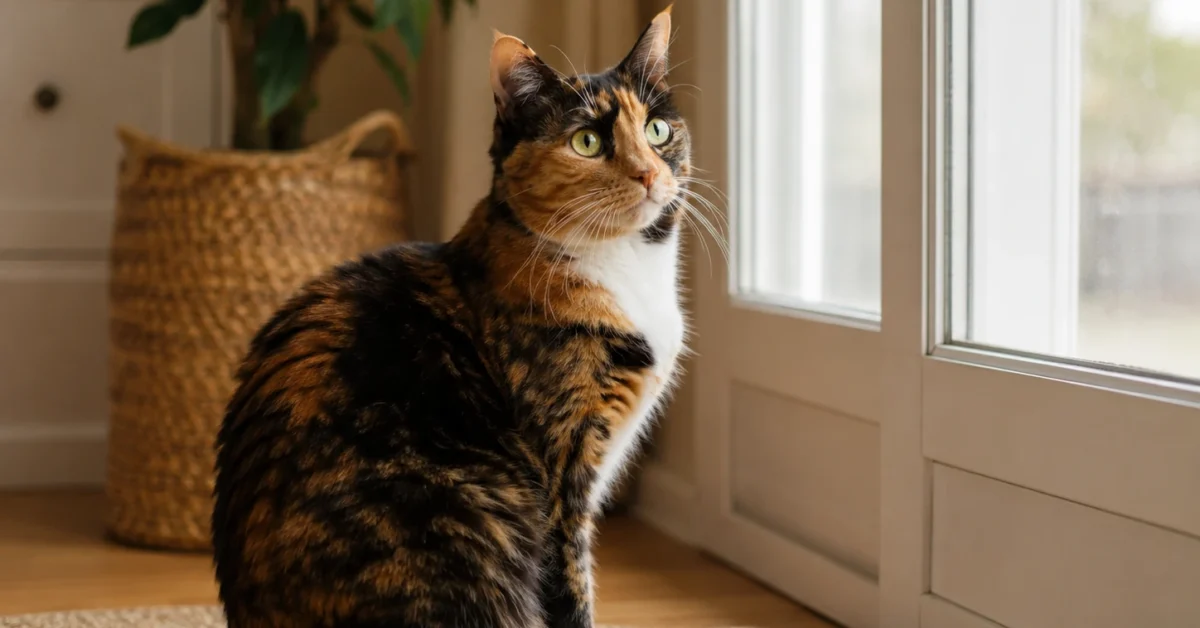
Learn why cats may try to leave home, what increases the risk of roaming, and how secure routines, identification, enrichment, and careful introductions can help keep them safe.
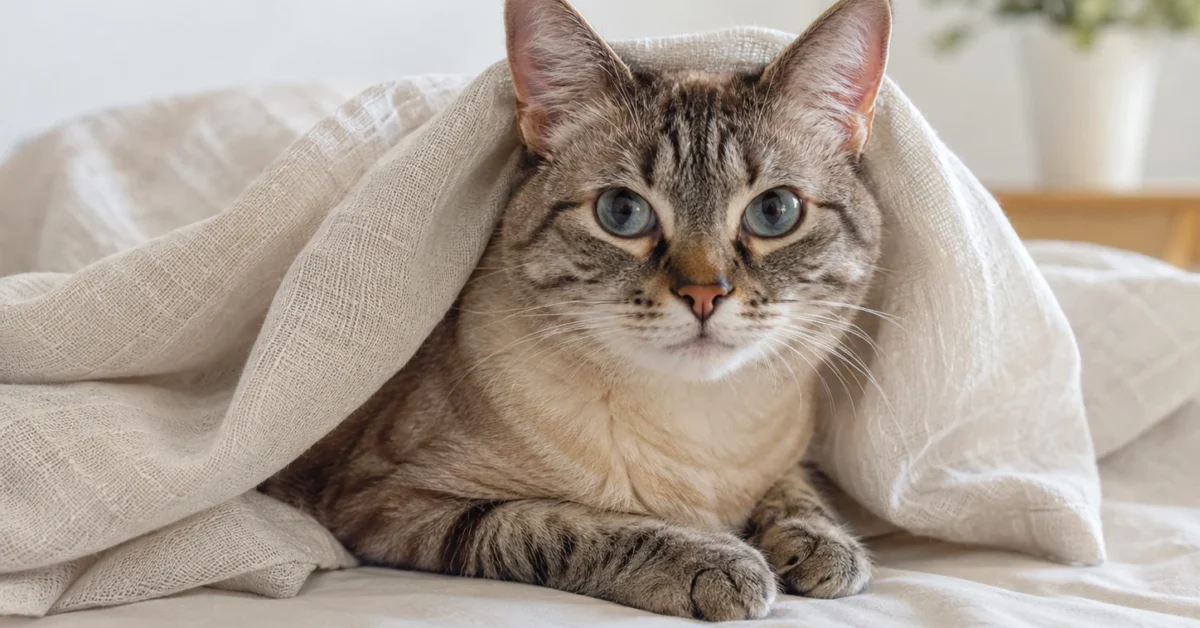
Most healthy cats can safely breathe under loose blankets for short periods because air still circulates around the fabric. Learn when blanket hiding is normal, when it may be unsafe, and how to keep your cat comfortable.
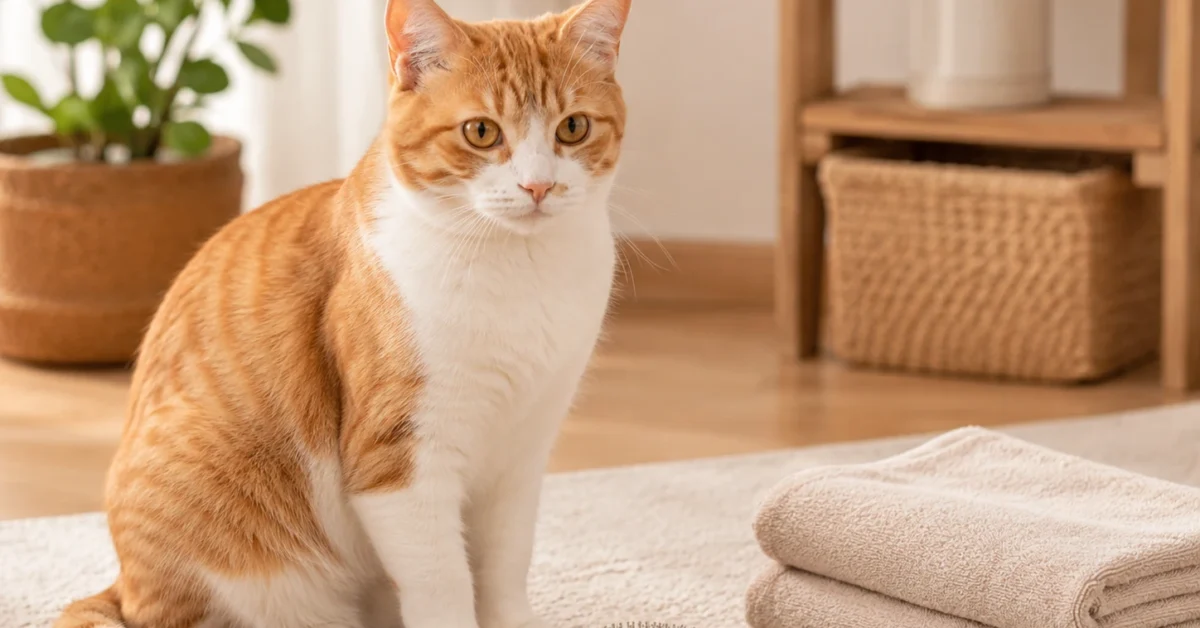
A cat may stop grooming because of pain, illness, stress, reduced mobility, dental problems, or changes linked to aging. Learn what to look for, how to help safely, and when to contact your veterinarian.