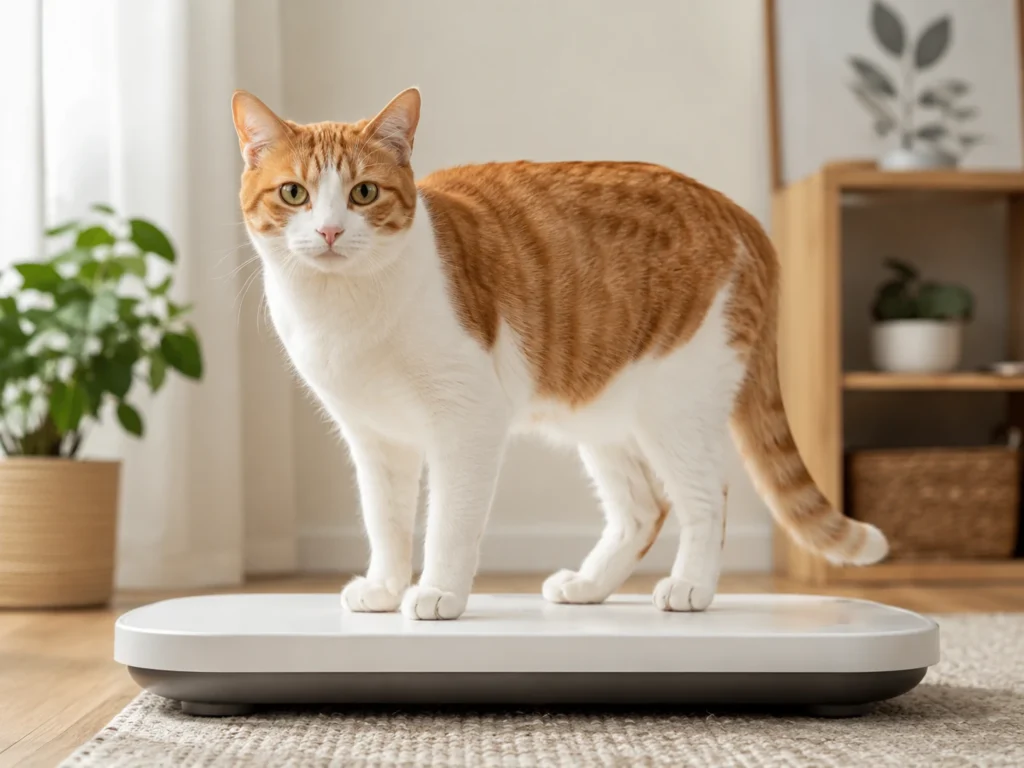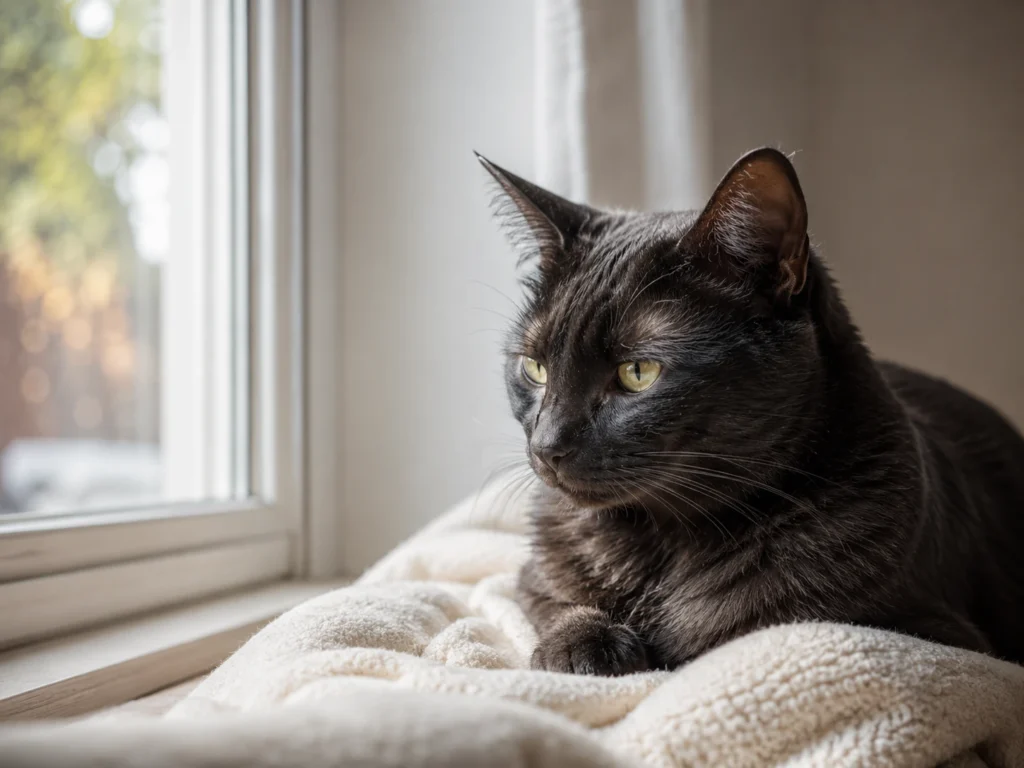
To reduce cat hair around your home, combine gentle grooming with regular hair removal from the places your cat uses most. Washable throws, suitable vacuum attachments, a lint roller or fabric brush, and a manageable laundry routine can help keep loose fur under control.
You cannot prevent normal shedding. Cats Protection explains that shedding is a natural part of coat renewal, and brushing can collect some loose hair before it reaches your furniture. The practical goal is to keep hair from building up and spreading, while allowing your cat to remain comfortable at home.
Start With Your Cat’s Favorite Resting Spots
Begin where you actually find the most hair. This might be one sofa cushion, the foot of your bed, a window seat, or a favorite blanket.
Focusing on these places gives you a useful starting point without making every room a daily cleaning project. Look at where your cat sleeps, where people sit afterward, and which fabrics regularly pick up fur.
A washable throw or cover can make a frequently used spot easier to maintain. Choose one that:
- Fits securely without slipping off the surface.
- Has straightforward washing and drying instructions.
- Can be removed without scattering hair through the room.
- Remains comfortable for your cat.
When removing a hairy cover, fold the used surface inward and carry it straight to the laundry area. Avoid shaking it across the sofa or over a clean floor.
If possible, keep a spare cover so the resting place remains available while the first one dries. There is no need to restrict your cat to one sleeping spot; protecting the places they already enjoy is usually more practical than repeatedly trying to move them elsewhere.
Remove Cat Hair From Household Surfaces
Start with a method suited to the surface. Loose hair often needs collection rather than washing, and adding water or cleaning products can create unnecessary work.
| Surface | Practical Starting Method | Main Precaution |
|---|---|---|
| Fabric sofas and chairs | Use a compatible lint roller or fabric brush, then vacuum seams and crevices. | Check the upholstery instructions before using adhesive, moisture, or a powered attachment. |
| Carpets and rugs | Vacuum with a suitable floor head, paying attention to resting areas and edges. | Follow the rug and vacuum instructions, especially for fringe, loose fibers, and delicate pile. |
| Hard floors | Collect hair with a suitable vacuum attachment or soft dust mop. | Use equipment compatible with the floor finish. |
| Shelves, tables, and other hard furniture | Gather hair with a soft cloth, working toward an edge where you can collect it. | Avoid abrasive tools and unnecessary moisture. |
Fabric Furniture
For surface hair, try a lint roller or reusable fabric brush intended for the material. Follow the tool’s directions and test an inconspicuous area if compatibility is uncertain. Stop if it catches threads, pulls fibers, or changes the fabric’s appearance.
Vacuum the seat, back, armrests, seams, and gaps between cushions using an appropriate upholstery or crevice attachment. Lift cushions only when the furniture is designed for this, and check underneath them.
If the vacuum pulls strongly at loose fabric, reduce the suction where possible or use a more suitable attachment. Repeated aggressive passes are unlikely to be a good trade-off for removing the last few hairs.
Check the care label before trying a damp cloth or washing a cover. A zipper does not necessarily mean the cover is washable. For example, Ashley’s furniture-care guidance distinguishes upholstery that permits particular cleaners from fabrics marked for vacuuming or light brushing only.
Carpets and Rugs
Work over the areas where hair collects, including beside furniture, beneath accessible edges, and around your cat’s usual resting places.
Use steady passes and check whether the floor head is actually collecting the hair. If pickup has dropped, check the vacuum’s bin, bag, filter, and brush roll according to its instructions before repeatedly going over the same patch. Turn off and disconnect the machine from power before clearing a brush roll or opening components.
Do not pull a powered brush across loose fringe or damaged fabric. Delicate rugs may need a different attachment or a method specified by their manufacturer.
Give your cat somewhere quiet to settle while you vacuum. Avoid following them with the machine or using the noise to move them out of the way.
Hard Floors and Furniture
A suitable vacuum head, soft dust mop, or soft cloth can collect hair without introducing cleaning products. Gather what you remove and put it in the trash instead of repeatedly pushing it into another corner.
For a fuller room clean, work from higher surfaces toward the floor. For example, wipe the window ledge, clean the sofa, and finish with the floor around them. This is a practical way to avoid cleaning the same area twice.
If ordinary dirt also requires damp cleaning, follow the surface and product instructions. Keep your cat away from cleaning solutions and treated areas until any required residue removal and drying are complete. The ASPCA’s household-cleaning guidance explains why label directions and preventing access to wet products matter.
Cat trees need additional care because their fabric, rope, adhesives, and underlying boards may tolerate different methods. See How to Clean a Cat Tree for those equipment-specific instructions.
Keep Hair Off Clothes and Out of Laundry
Clothing can collect hair from a chair, bedding, or contact with your cat. Removing it is easier when you also address those transfer points.
Keep clean clothes in drawers or a closed closet, and avoid leaving tomorrow’s outfit on a favorite cat bed. A lint roller stored near your dressing area can make a quick check before leaving home more convenient.
For hairy clothes, throws, and washable bedding:
- Remove loose surface hair first. Use a fabric-compatible lint roller, brush, or vacuum attachment where appropriate.
- Check the care label. Follow the permitted washing method, temperature, and drying instructions.
- Leave room in the machine. Follow its load limits rather than tightly packing bulky bedding into the drum.
- Check the result before putting items away. Remove remaining surface hair and make sure everything is fully dry.
Maytag’s laundry guidance recommends removing hair before washing, following care tags, and avoiding overloaded machines. If you use a dryer, keep its lint screen clean according to the manufacturer’s instructions.
Washing very hairy pet bedding separately can also help keep it apart from your everyday clothing. You do not need a special laundry additive or a new appliance to begin this routine.
For a padded bed, follow the component-by-component cat-bed cleaning guide rather than assuming the washable cover’s instructions also apply to its filling.
Keep detergent, laundry pods, and dryer sheets out of your cat’s reach. Do not use a dryer sheet to wipe the cat’s coat or leave used sheets where they can be chewed.
Use Gentle Grooming to Collect Loose Hair
Grooming can reduce the amount of loose fur that reaches your home, but more force is not more effective care.
Use a suitable cat-grooming tool, keep sessions comfortable, and stop if your cat becomes tense, moves away, or reacts as though brushing hurts. Do not keep working over one area simply because the brush is still collecting hair.
The appropriate routine depends on the individual coat and the cat’s needs. Cats Protection’s grooming guidance emphasizes individual differences and introducing grooming gradually.
For the details, use these dedicated guides:
- How Often Should You Brush Your Cat? covers frequency.
- What Type of Brush Is Best for Your Cat? covers tool selection.
- How to Groom Your Cat at Home covers the broader routine.
Keep household hair-removal tools for household surfaces. Lint rollers, fabric scrapers, and ordinary vacuum attachments should not be used to remove fur directly from your cat.
Routine shaving is also an inappropriate shortcut for keeping furniture cleaner. Should You Shave Your Cat? explains the separate decision and when professional clipping may have a genuine welfare purpose.
Build a Cleaning Routine You Can Maintain
There is no single cleaning schedule that suits every home. The number of cats, their coats, the surfaces they use, and how quickly hair becomes noticeable will all affect the workload.
The following is a practical starting routine, not a required timetable.
Brief Touch-Ups
Check the main resting spots daily or whenever buildup becomes noticeable. Remove visible hair from the most-used seat or throw, collect obvious floor clumps, and deal with clothing as needed.
Keep the appropriate tool close enough to be convenient, but stored where your cat cannot chew it or reach discarded adhesive sheets.
You do not have to clean the entire room every time. If only one cushion needs attention, doing that small job may be enough.
A Fuller Clean
Start with a weekly check of furniture seams, floor edges, rugs, and washable covers. Clean according to their actual condition, and shorten or lengthen the interval as needed.
You might combine tasks in this order:
- Collect hair from the main resting spots.
- Remove covers that need washing.
- Clean furniture and accessible crevices.
- Collect hair from the floor.
- Replace covers once they are clean and fully dry.
Grooming should follow your cat’s own needs and tolerance rather than being forced into the household-cleaning session.
If Hair Quickly Returns
Notice where it appears first. Hair returning to one cushion suggests that the resting spot needs more frequent attention. Hair appearing on freshly cleaned clothes may point to where they are being folded or stored.
Adjust that part of the routine before adding more tasks everywhere. A washable layer, a different storage habit, or a quicker touch-up may solve the main frustration.
Judge the routine by whether the home feels manageable between cleans. A few remaining hairs are an expected part of living with a cat.
When Extra Hair Needs a Vet Check
A cleaning routine is appropriate for ordinary loose fur. It should not be used to explain away a change in your cat’s skin, coat, or grooming behavior.
Contact your veterinarian if you notice:
- Bald patches or unusual thinning.
- Red, sore, irritated, or markedly flaky skin.
- Persistent scratching, licking, or chewing at the coat.
- A sudden reduction in normal self-grooming.
- New pain or sensitivity during brushing.
- A substantial unexplained change in shedding or coat condition.
Cats Protection advises veterinary assessment for hair loss accompanied by skin changes or excessive grooming. For a fuller explanation of normal shedding and concerning patterns, see Why Is My Cat Shedding So Much?.
For a cat with a comfortable, normally maintained coat, keep the household response simple: collect hair where it gathers, protect the fabrics used most, and clean often enough to prevent an unmanageable buildup.
Helpful Related Guides
- Why Is My Cat Shedding So Much?
- How Often Should You Brush Your Cat?
- What Type of Brush Is Best for Your Cat?
- How to Groom Your Cat at Home
- How to Clean a Cat Tree