
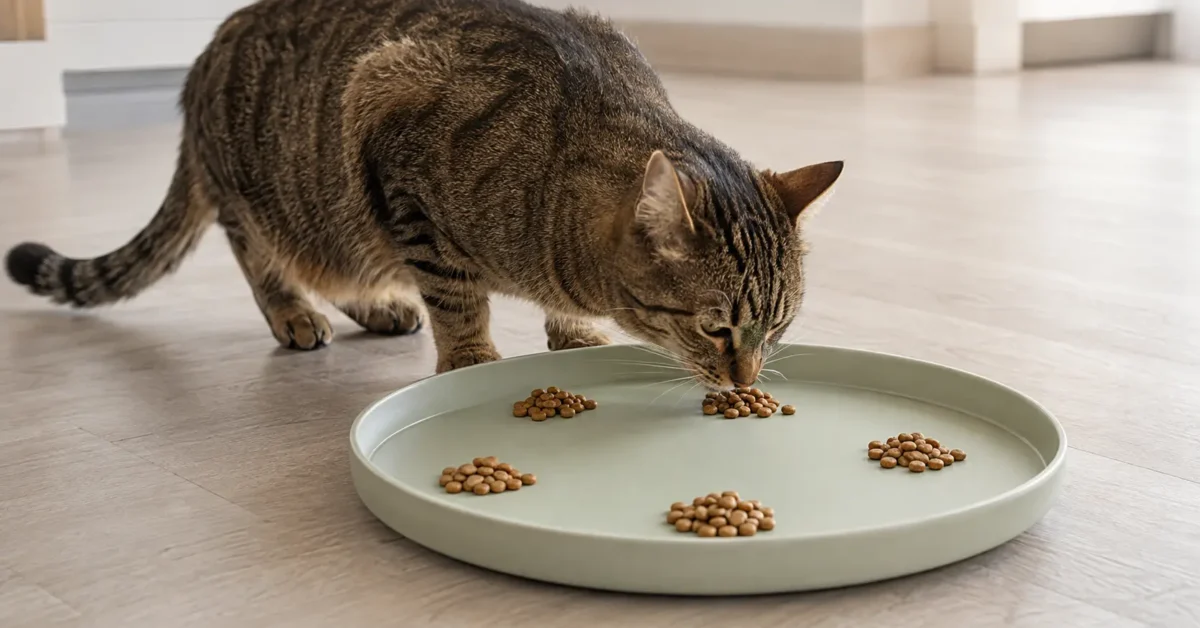
How to Slow Down a Cat That Eats Too Fast
Measure your cat’s complete food allowance, remove feeding competition, and test accessible ways to slow eating without restricting intake.
Measure your cat’s complete food allowance, remove feeding competition, and test accessible ways to slow eating without restricting intake.
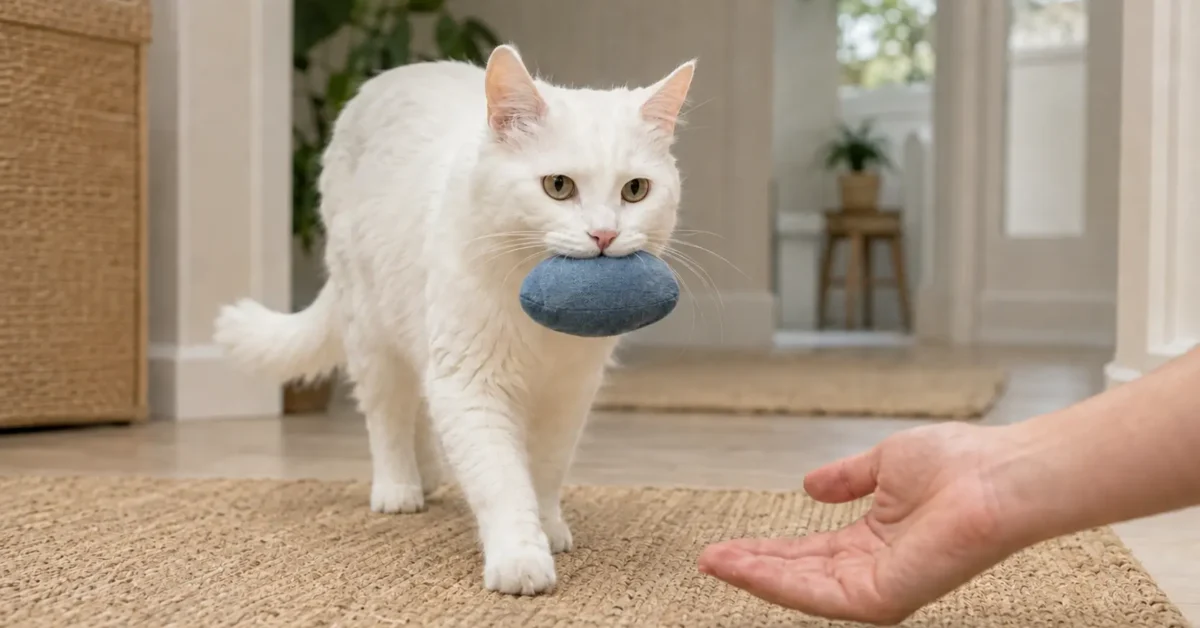
Teach fetch by rewarding the small behaviors your cat already offers, then gradually combine chase, pickup, return, and a calm voluntary release.
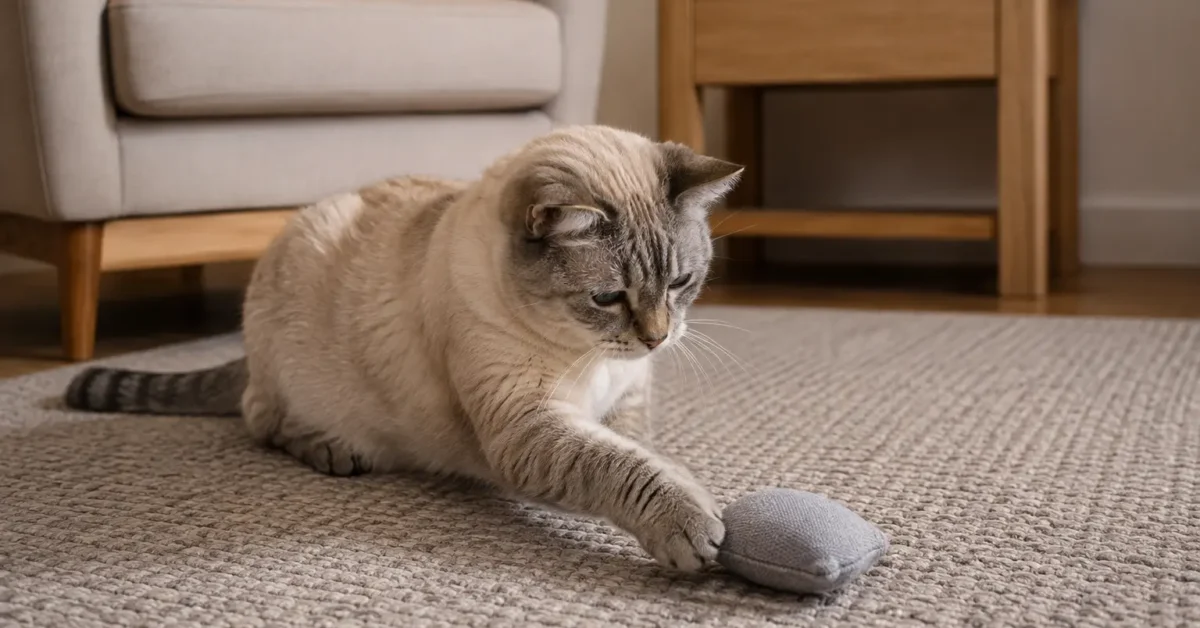
Help your senior cat enjoy comfortable, voluntary play with slower movement, secure footing, reachable toys, easy captures, and response-led pauses.
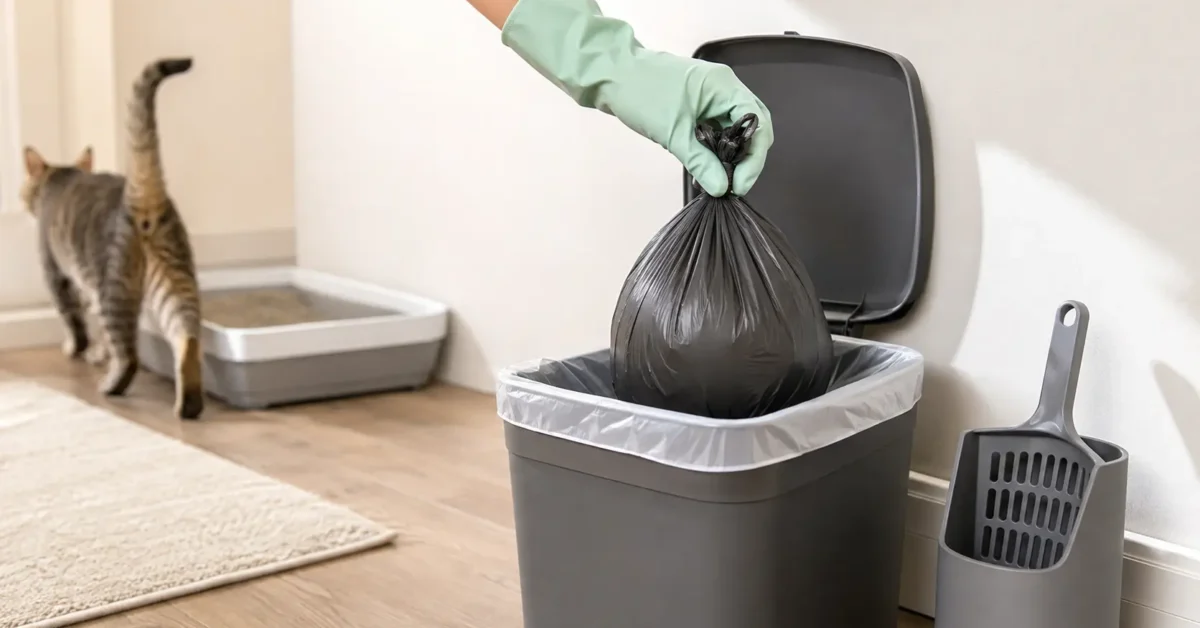
A practical guide to containing and disposing of used cat litter, checking local and product rules, avoiding unsafe flushing or dumping, and protecting higher-risk household members.
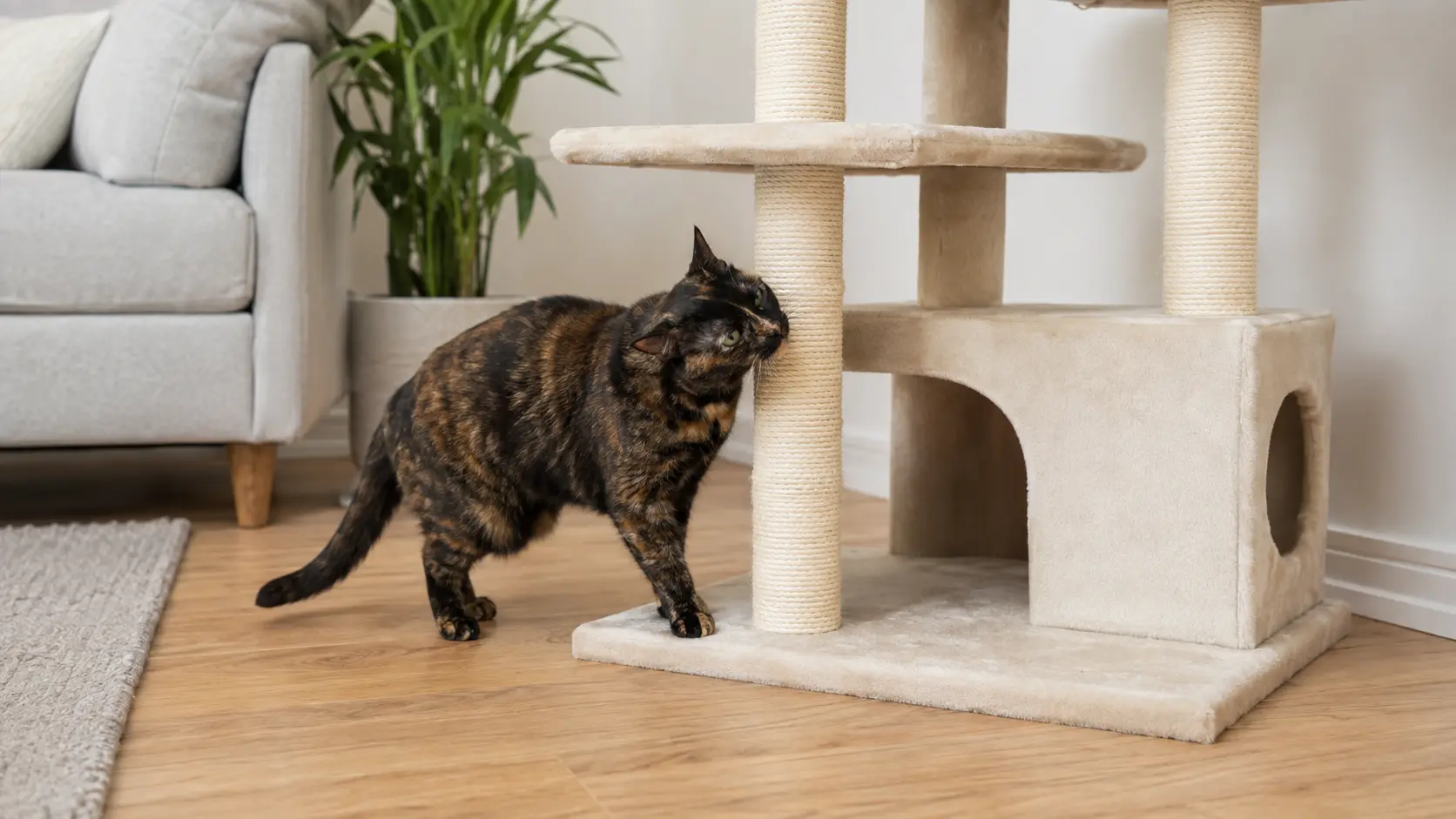
If your cat ignores a cat tree, start with safety, access, purpose, and preference. Then test one calm, voluntary change at a time without forcing use.
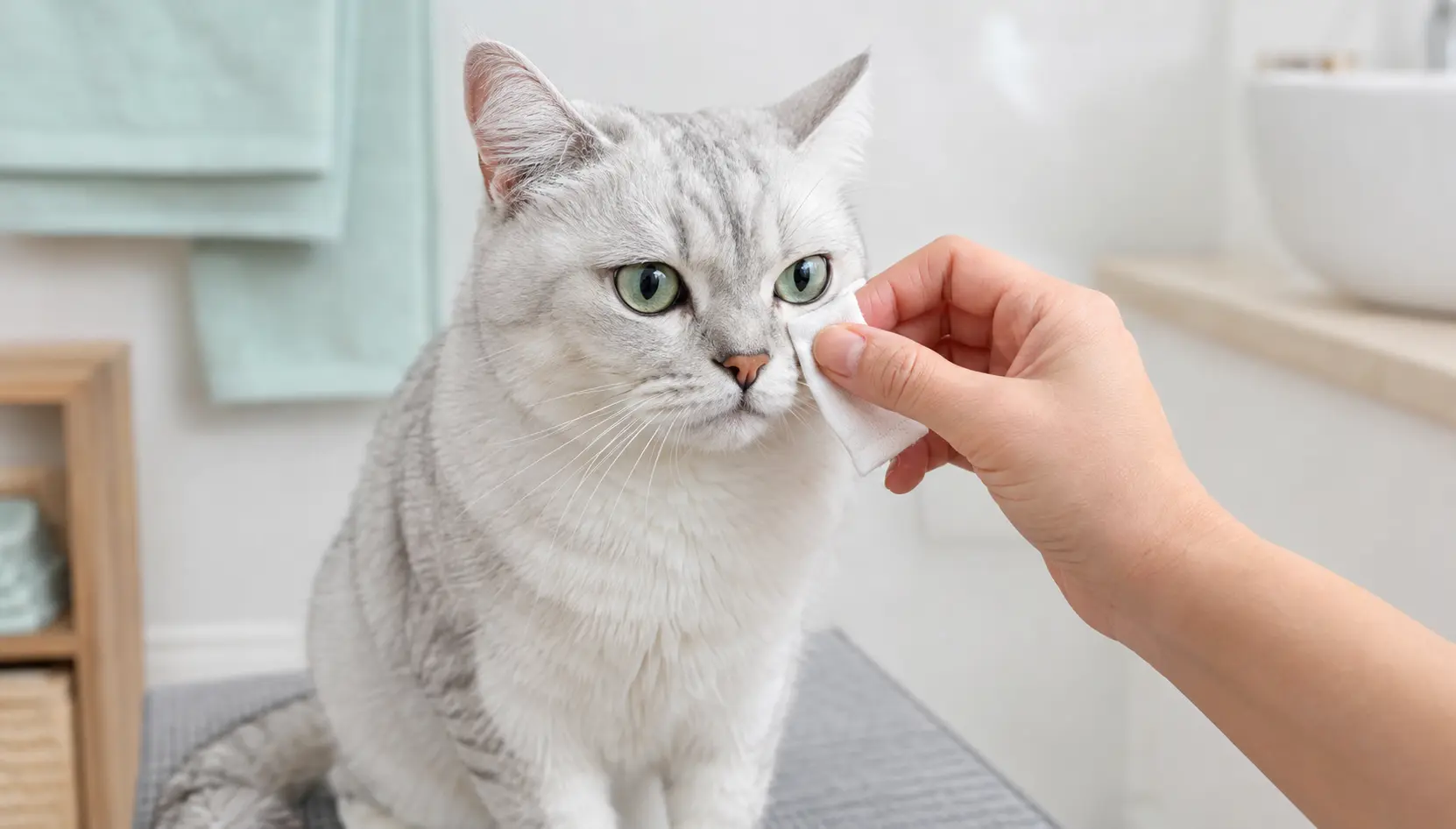
Most healthy cat eyes do not need routine cleaning. Learn when a gentle wipe of the surrounding fur is reasonable, how to do it safely, and when to call a veterinarian.
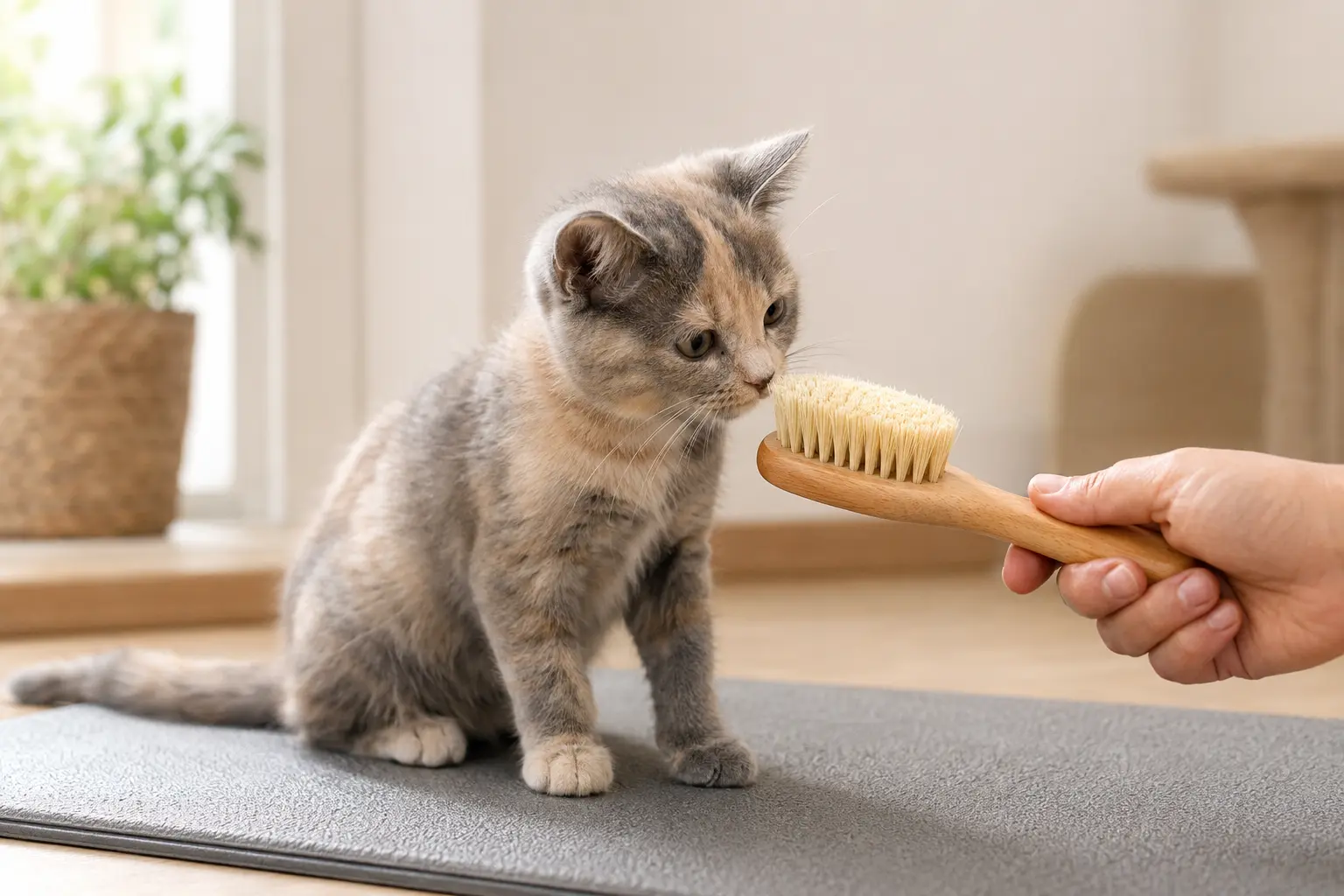
Help your kitten build calm, positive associations with brushing, paw handling, grooming tools, towels, and other care without force or rushed sessions.
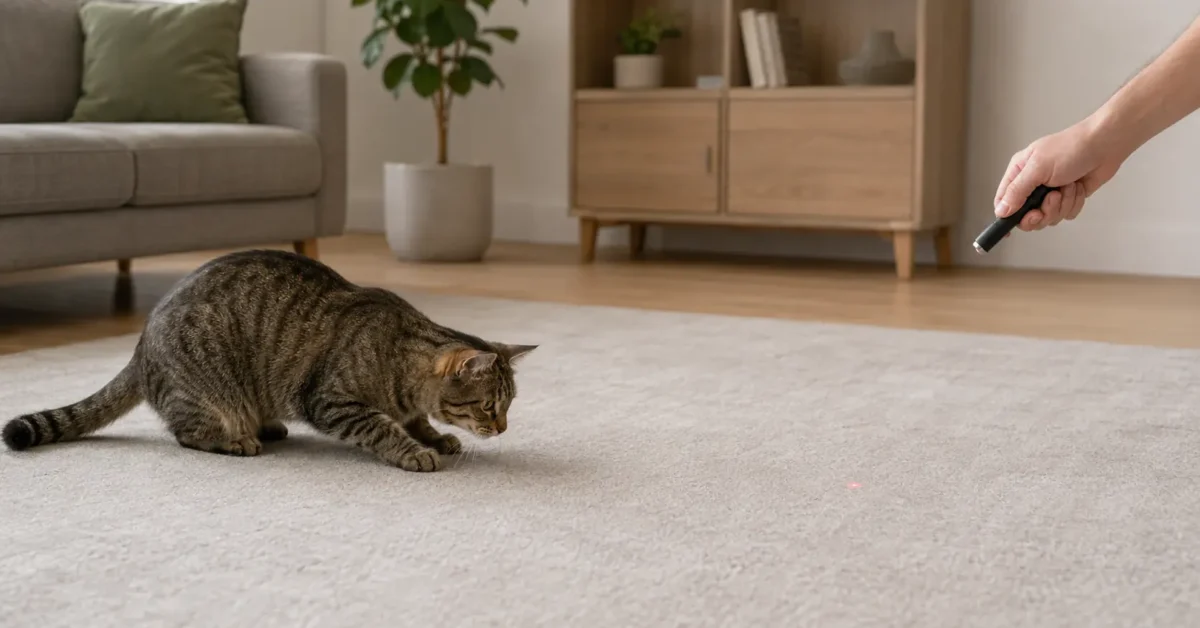
Laser pointers are not harmless simply because they are sold as cat toys. Learn how eye hazards, product labeling, uncontrolled chasing, and possible behavioral frustration affect whether this form of play suits your cat.
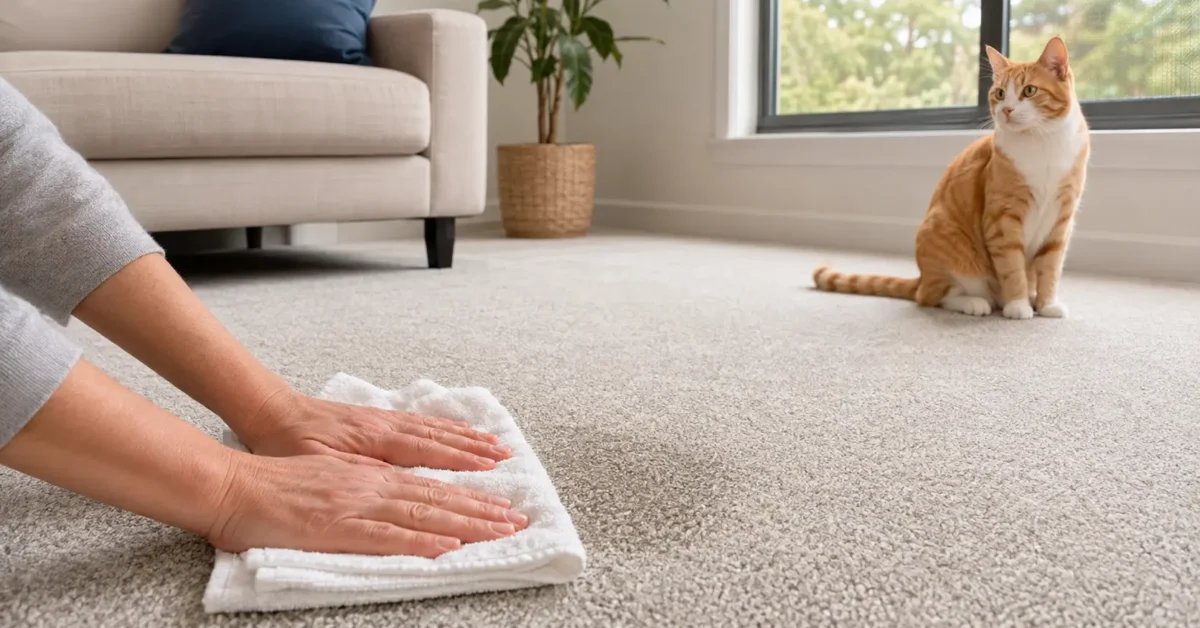
A practical guide to cleaning fresh or dried cat urine from carpet safely, choosing a compatible cleaner, checking for deeper contamination, and knowing when home treatment is no longer enough.
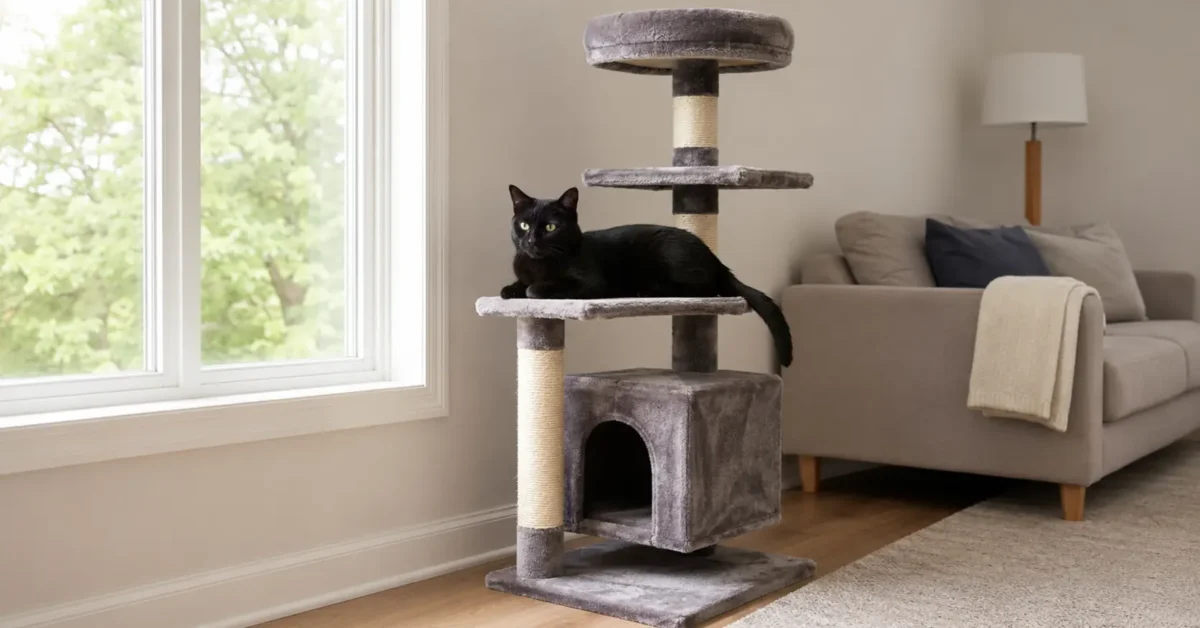
The best cat-tree location depends on what your cat already uses and values. Learn how to compare safety, stability, access, traffic, window conditions, mobility, and multi-cat pressure.