
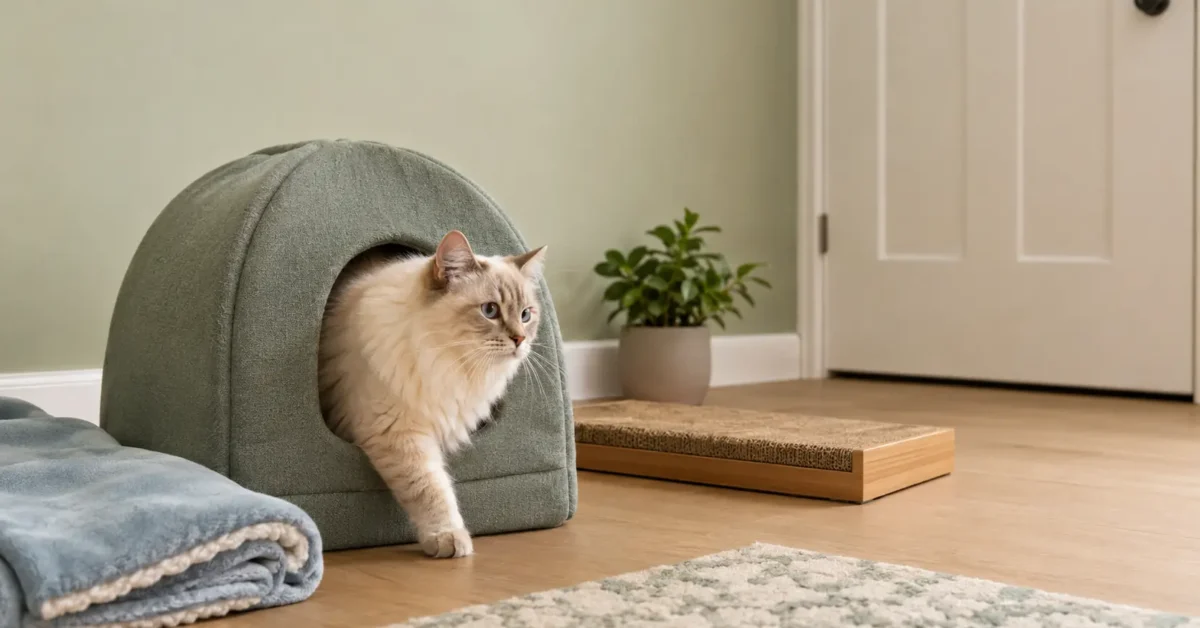
How to Help Your Cat Settle Into a New Home
Help your cat settle into a new home with a secure starter room, familiar routines, gradual exploration, and clear guidance on when to contact a veterinarian.
Help your cat settle into a new home with a secure starter room, familiar routines, gradual exploration, and clear guidance on when to contact a veterinarian.
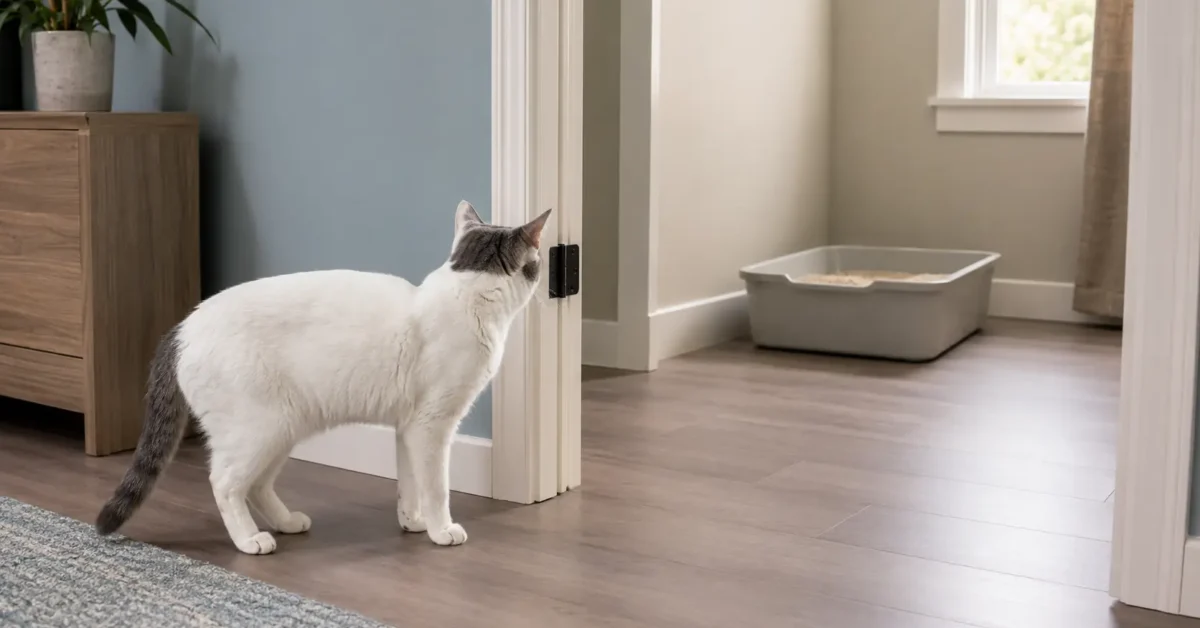
A calm, practical guide to fecal litter-box accidents, including what to observe, which setup and access factors to check, and when veterinary care is needed.
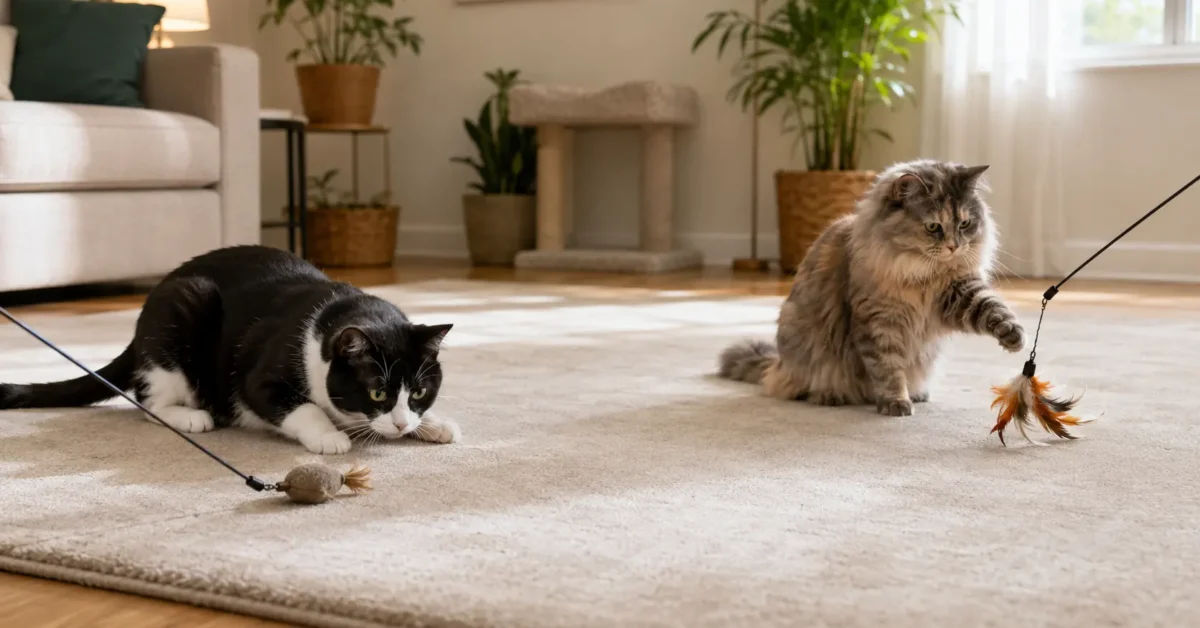
Playing with multiple cats is less about getting everyone into one game and more about giving each cat fair, voluntary access. Learn how to organize separate turns, shared sessions, play zones, and safe stopping points.
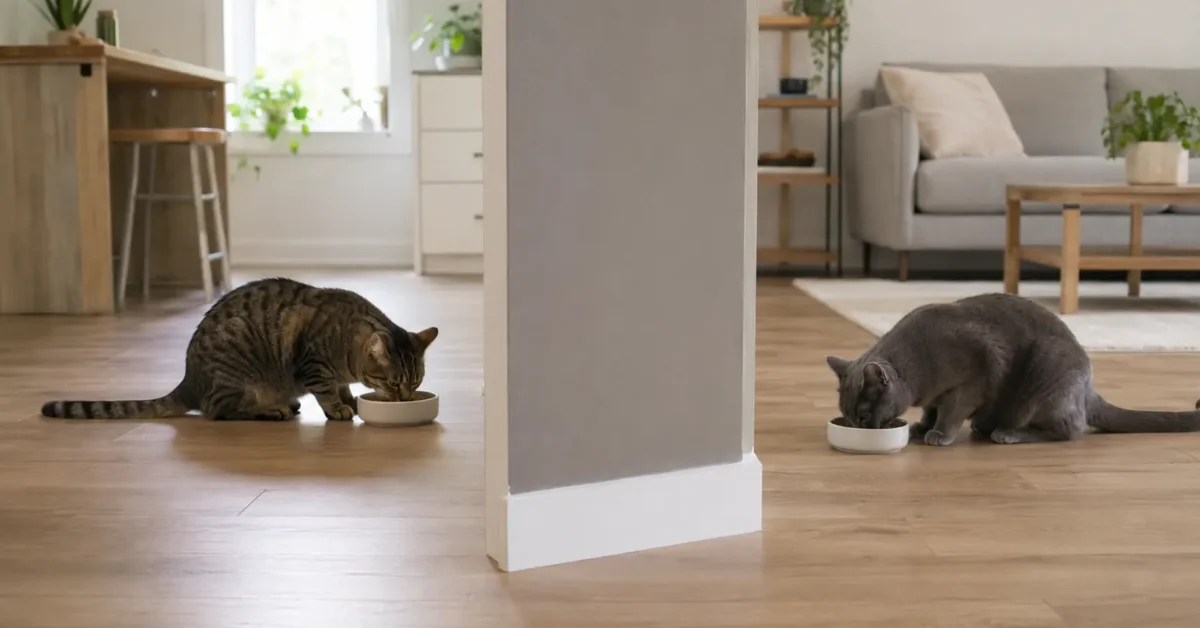
A practical system for feeding multiple cats separately, preventing food stealing and confirming that every cat receives the intended meal.
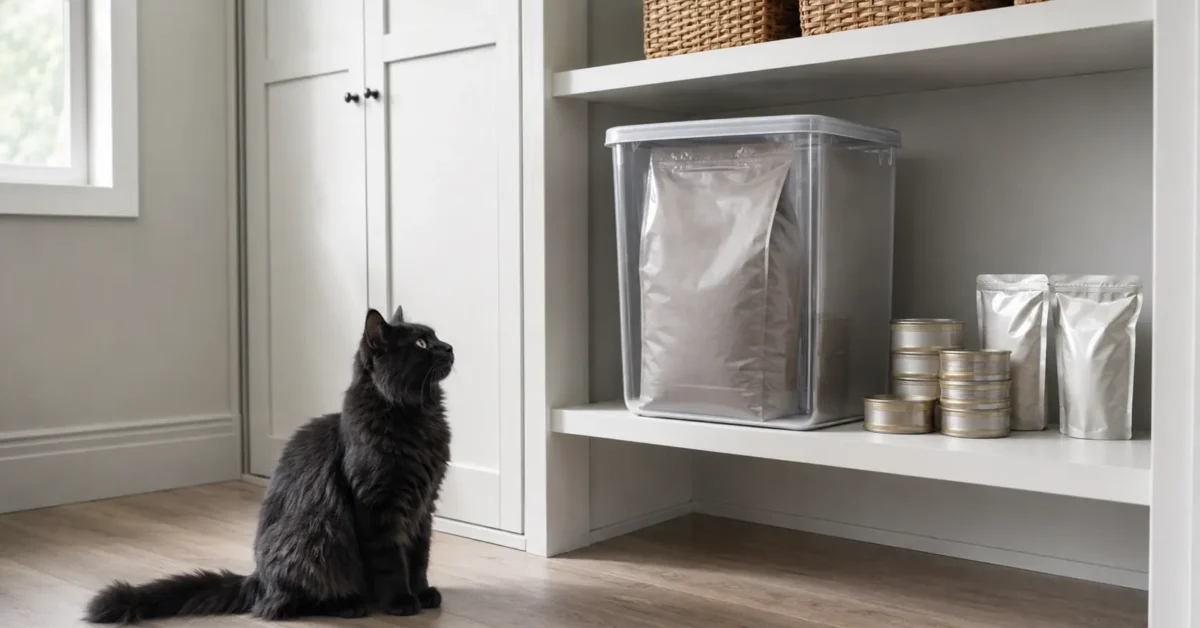
Store dry and wet cat food safely with this practical guide to packaging, containers, refrigeration, hygiene, date codes and disposal.
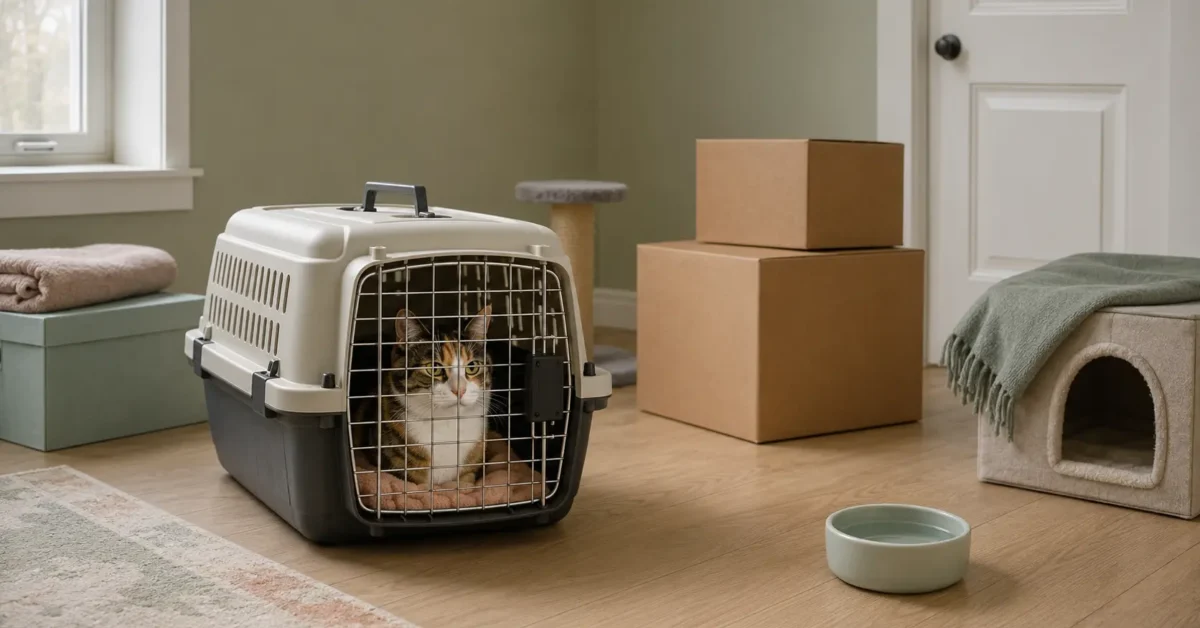
Moving with a cat is safest when you plan a controlled route from a secure room in the old home, through travel in a closed carrier, to another secure room at the new home.
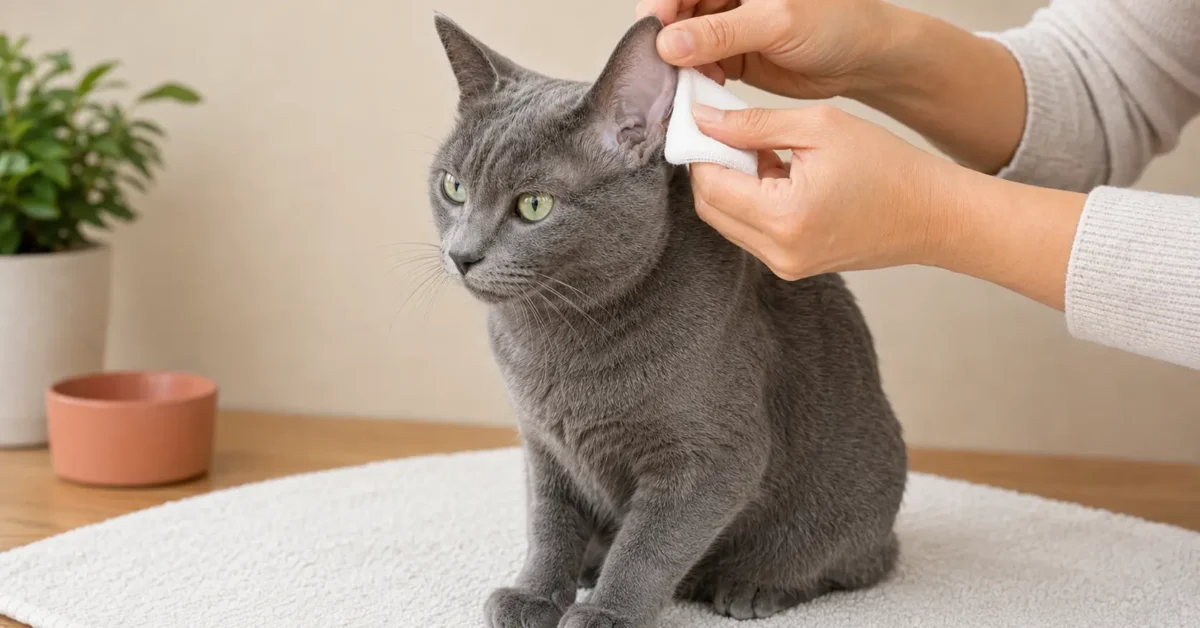
Most healthy cats do not need routine ear cleaning. Learn when to leave ears alone, when to contact a veterinarian, and how to clean safely if advised.
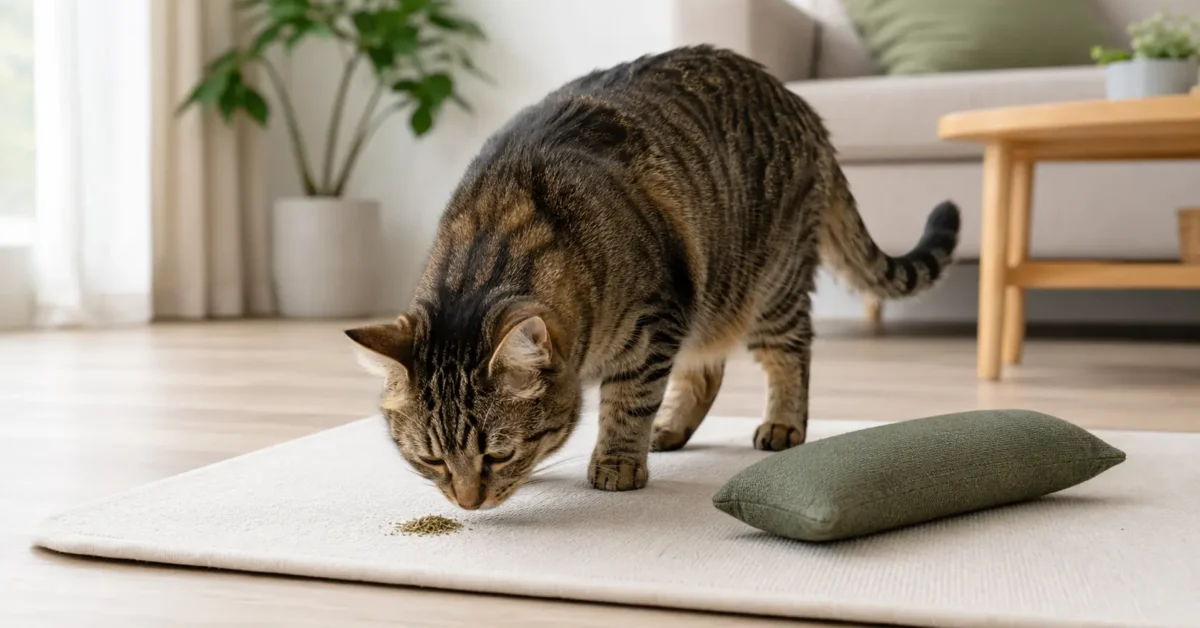
Learn how to introduce ordinary catnip safely, recognize your cat’s individual response, avoid unsuitable concentrated products, and identify when the interaction should stop.
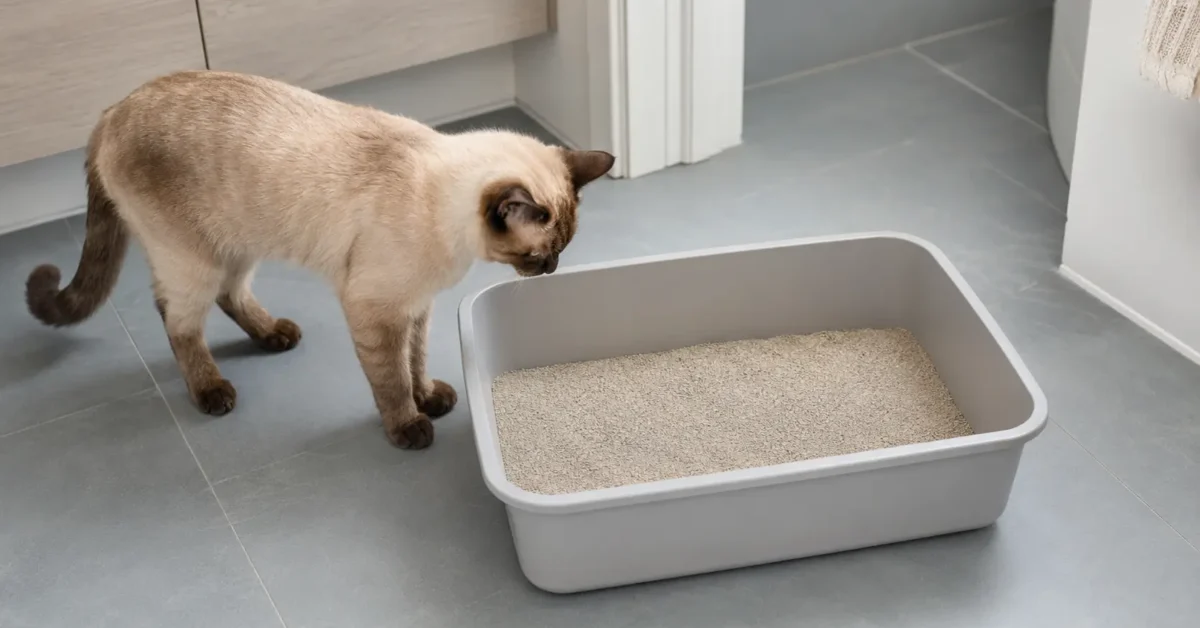
Start with about 1¼–2 inches of fine-grained litter, then adjust cautiously for the material, box design, and your cat’s digging, footing, covering, and continued box use.

There is no universally best cat food bowl. Learn how to compare materials, condition, shape, capacity, stability, and comfort to find a suitable option for your individual cat.