
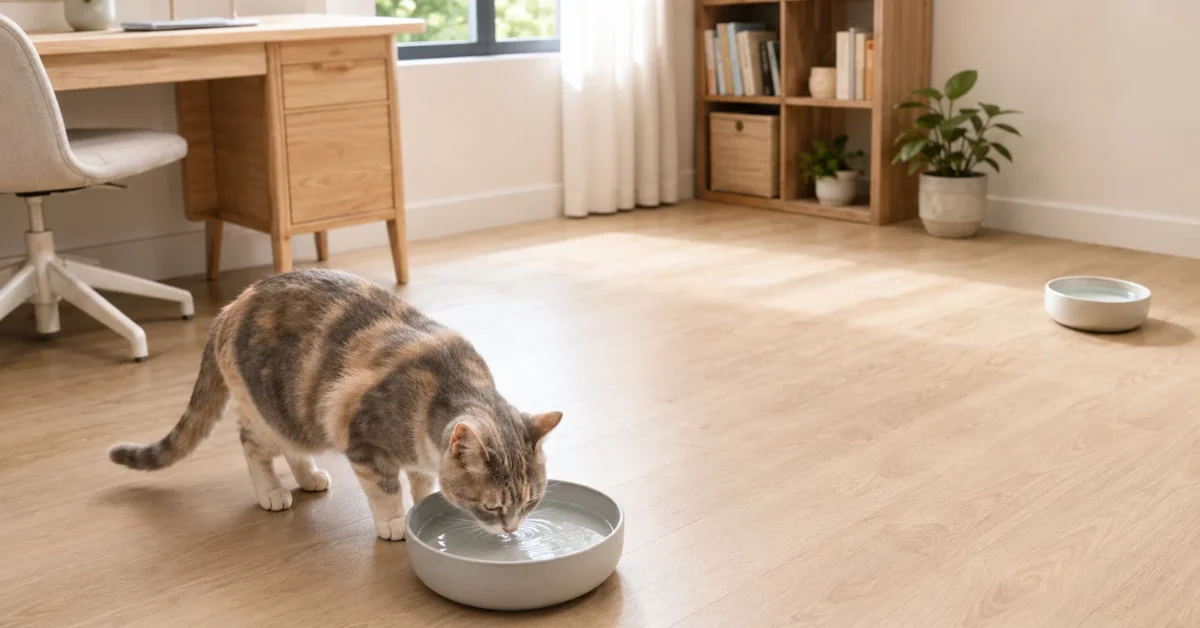
How to Encourage Your Cat to Drink More Water
Help your cat drink voluntarily by improving water freshness, vessel comfort, placement, access, moving-water options, and suitable food moisture.
Help your cat drink voluntarily by improving water freshness, vessel comfort, placement, access, moving-water options, and suitable food moisture.
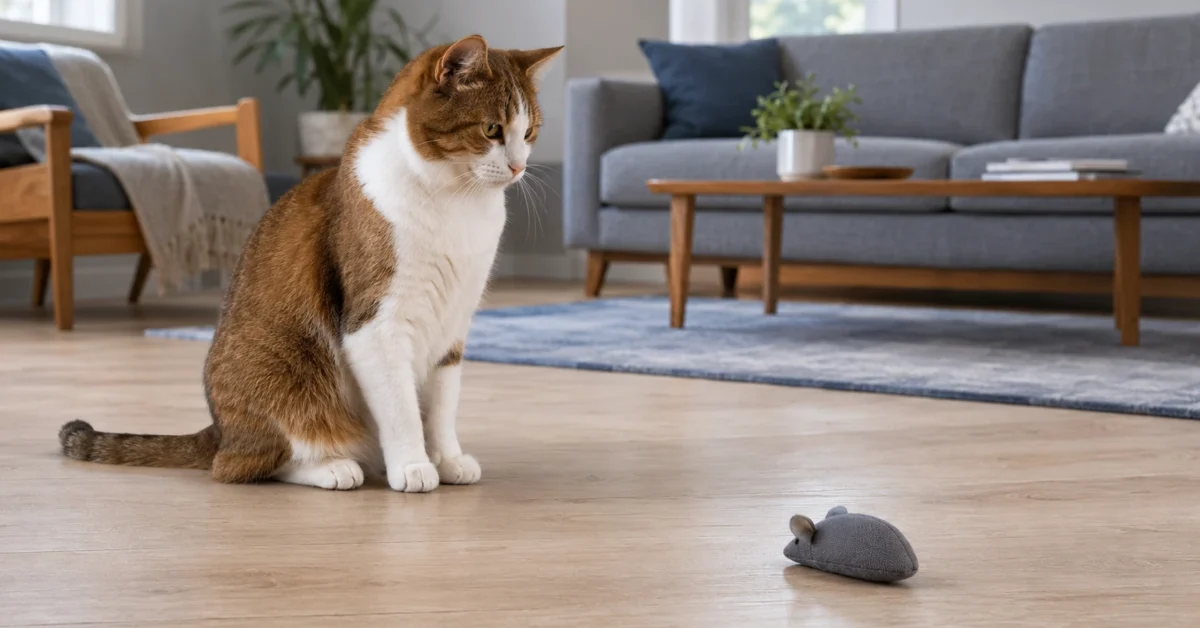
Some cats ignore toys because the movement, timing, format, or environment does not suit them. Learn how to test play calmly, adapt it to your cat, and recognize when reduced interest may need veterinary assessment.
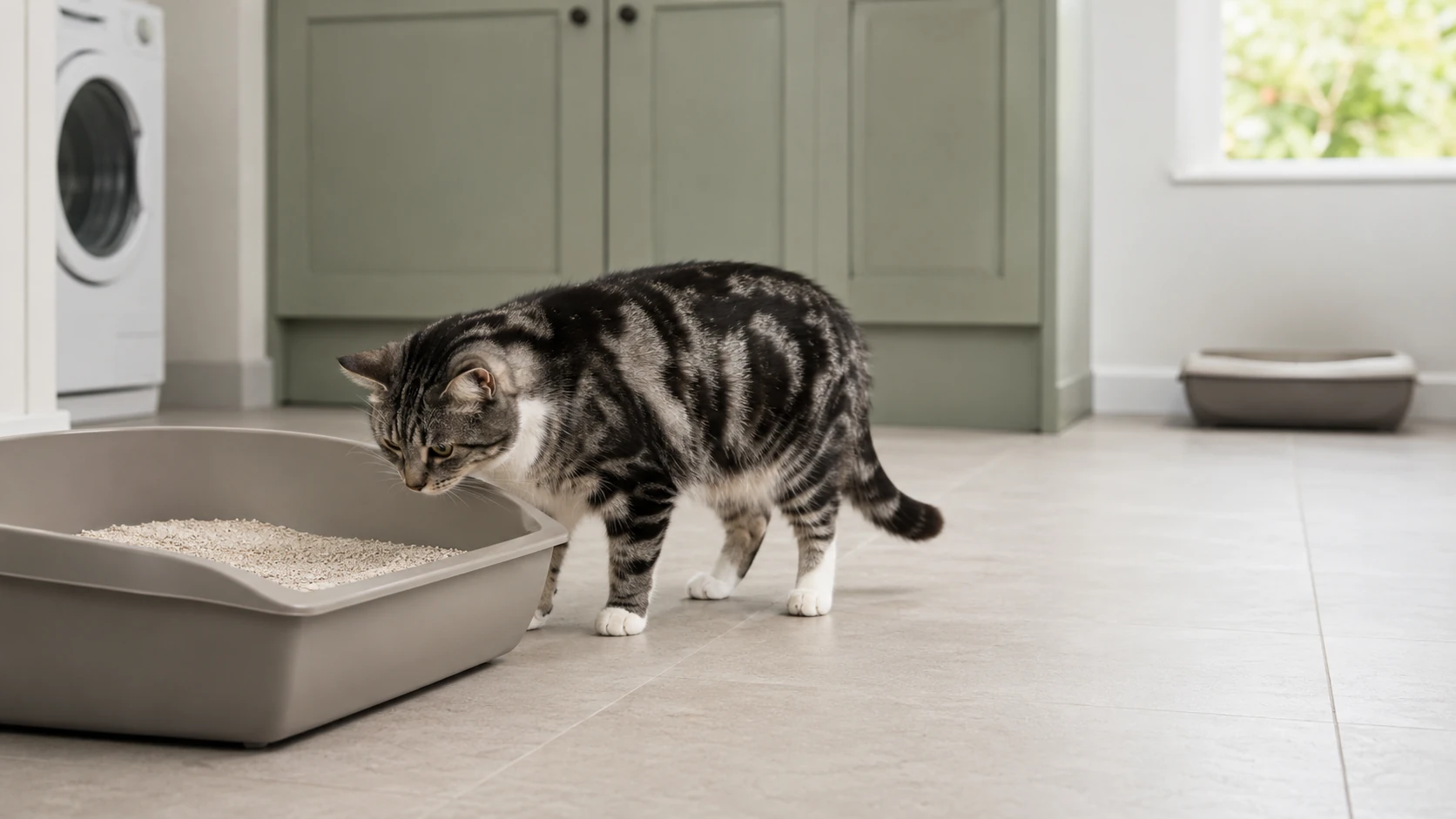
A gradual, response-led guide to changing cat litter, recognizing acceptance or refusal, and knowing when litter-box changes need veterinary attention.
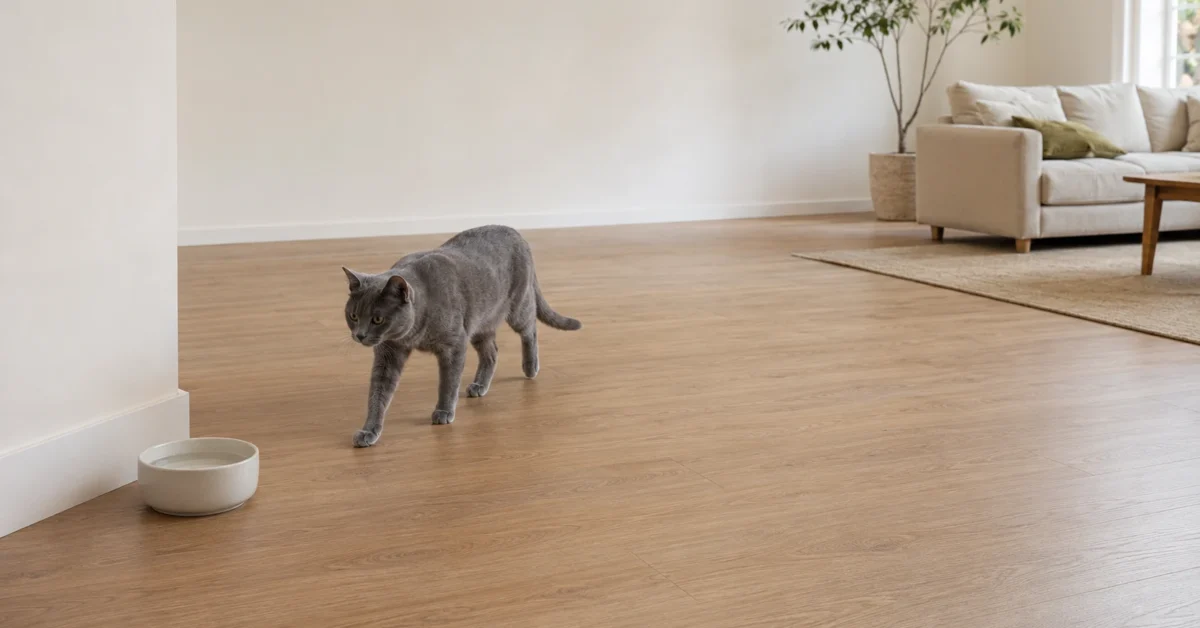
Put your cat’s water bowl somewhere quiet, clean, stable, and easy to access. Learn how to handle food and litter separation, multi-cat competition, mobility needs, and small-home compromises.
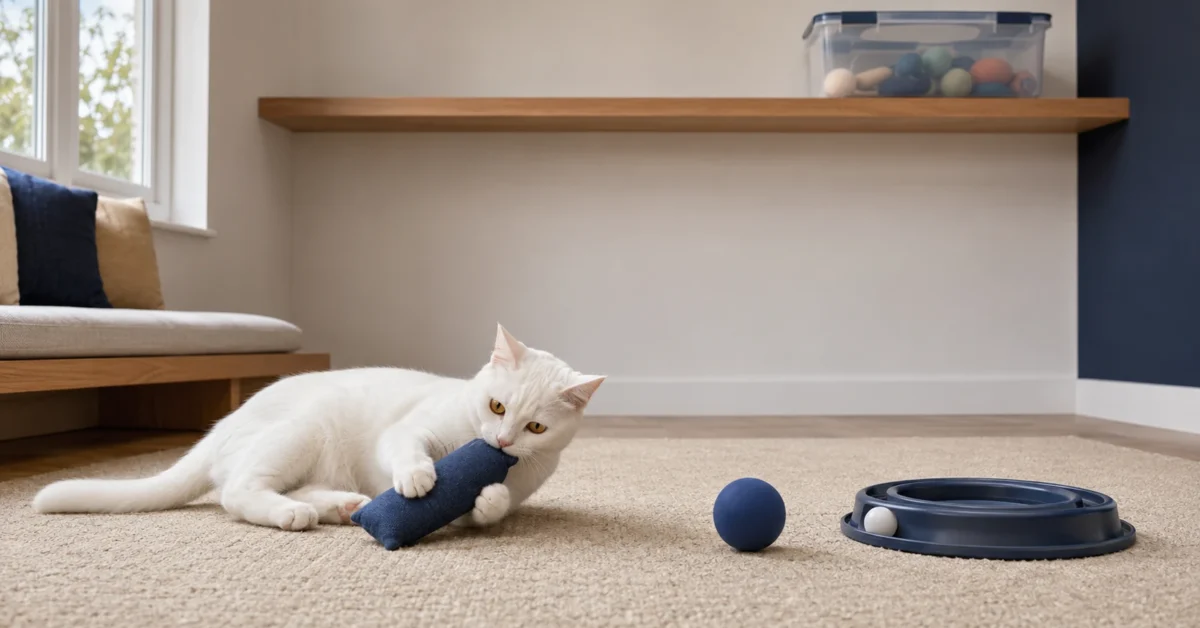
Learn how to build a simple cat-toy rotation using small active sets, secure storage, safety inspections and flexible changes based on your cat’s response.
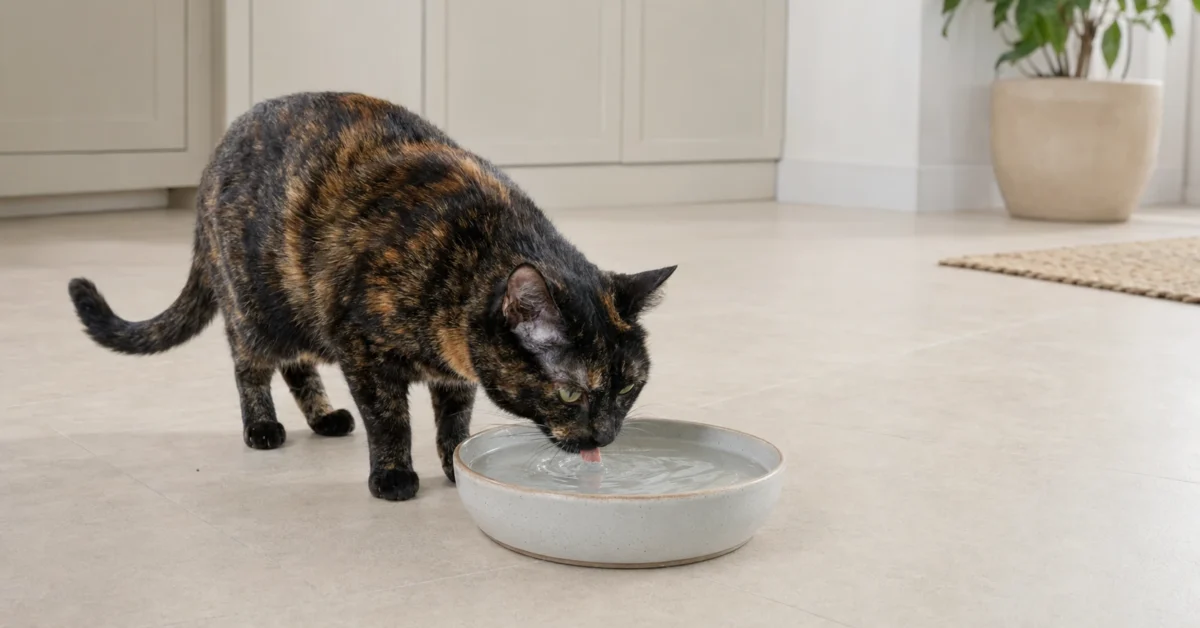
Learn how to choose a cat water bowl by material, width, depth, stability, cleaning needs and your cat’s individual preferences.
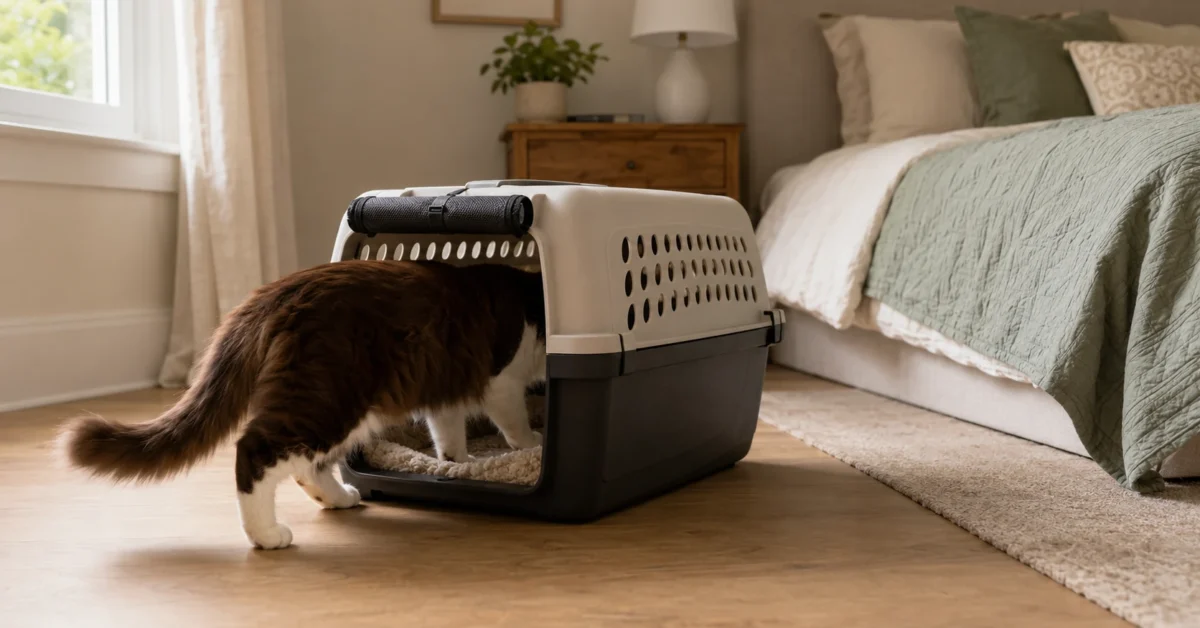
Help your cat feel calmer around their carrier with a gradual, voluntary training process covering approach, entry, door closure, lifting, and carrying.
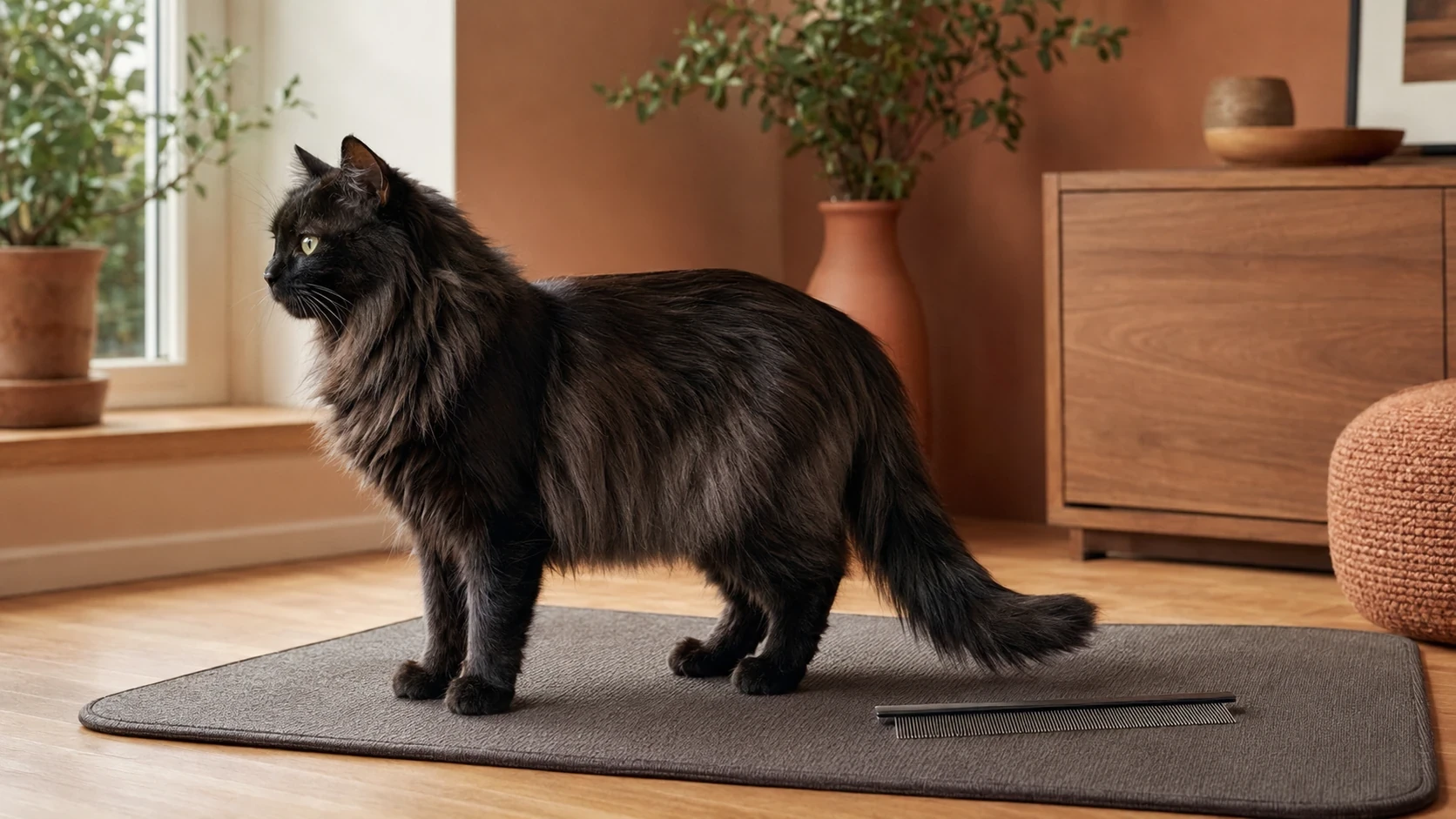
Prevent mats by removing loose hair, checking beneath the visible coat, adapting grooming to your cat, and recognizing when professional help is safer.
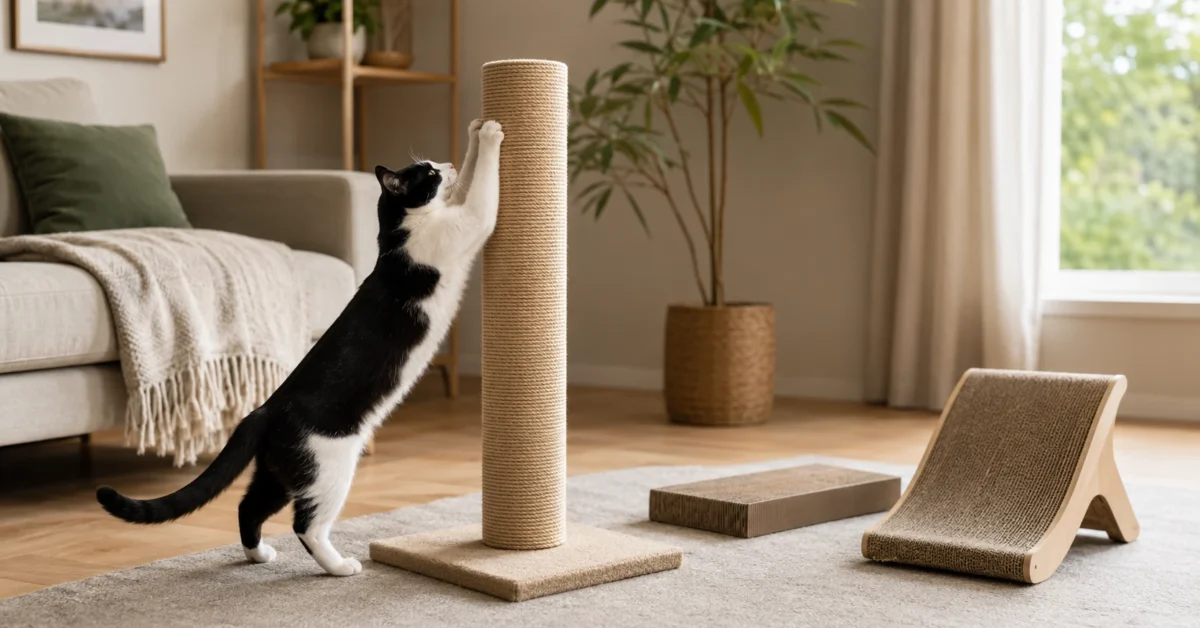
The best scratching post depends on how your cat scratches. Compare angles, usable size, stability, materials, placement, and accessibility before buying.
What Type of Scratching Post Is Best for Your Cat? Read More »
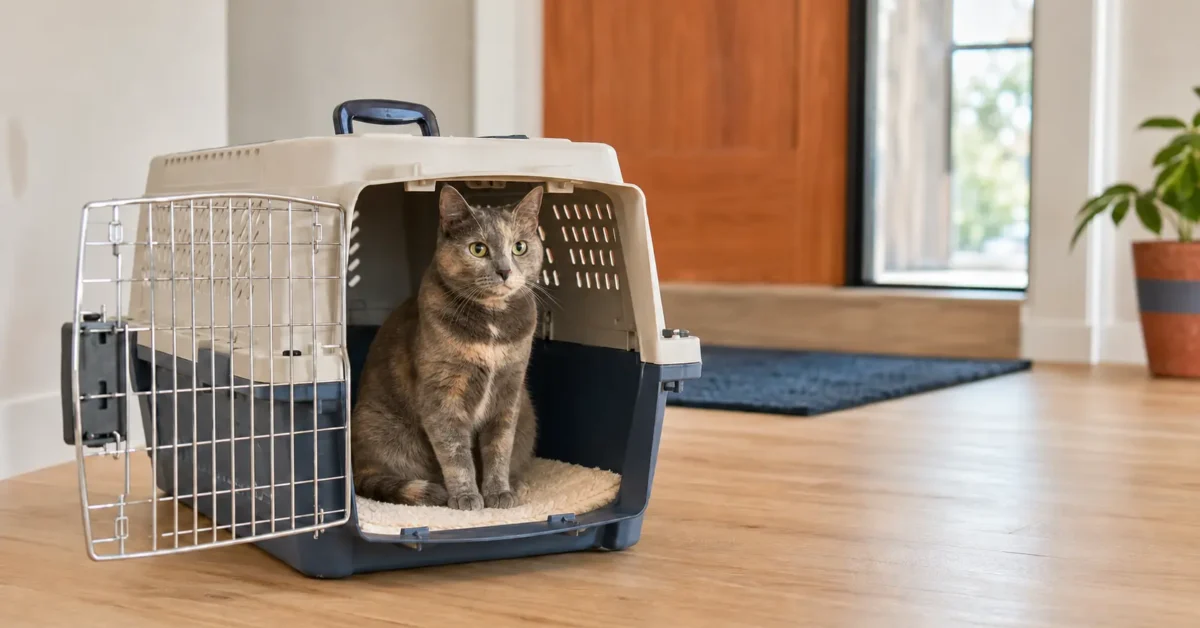
Choose a secure, practical cat carrier by checking its structure, usable size, access, ventilation, cleaning, stability, and suitability for your cat.