

Why Does My Cat Lick Me Then Bite?
Cats may lick you then bite because of overstimulation, playful behavior, affection, or mixed signals. Learn what it means and how to respond calmly.
Cats may lick you then bite because of overstimulation, playful behavior, affection, or mixed signals. Learn what it means and how to respond calmly.

Learn why liking parmesan does not make it a recommended treat, and what to do if your cat eats plain cheese, seasoned food or food with uncertain ingredients.

Cats can learn to recognize their own names by associating the sound with attention, food, play, or other experiences. Learn how cats respond to names and how to help your cat recognize theirs.

Short or broken kitten whiskers do not reveal a single cause. Learn what to observe, when to seek veterinary help, and why short whiskers alone do not justify separation.
Why Do Mother Cats Chew Off Their Kittens’ Whiskers? Read More »

Poop can stick to a cat’s fur because of diarrhea, long hair, excess weight, poor grooming, or mobility problems. Learn how to clean your cat safely, reduce repeat problems, and recognize when veterinary advice is needed.
Why Does My Cat Keep Getting Poop Stuck To Their Bum? Read More »

Learn what makes a good cat tower, including stability, height, scratching surfaces, platforms, hiding spaces, and placement. Use this guide to choose a safe, practical cat tree that suits your cat and home.

Learn why cats squeak, what different squeaks may mean, and how context, body language, age, and personality can help you understand your cat’s vocalizations.
Understanding Your Cat’s Squeaks: A Guide to Feline Vocalizations Read More »

Changes in appetite, sleep, grooming, activity, or social behavior may suggest that a cat is unhappy or unwell. Learn what to watch for, how to support your cat, and when to contact a veterinarian.
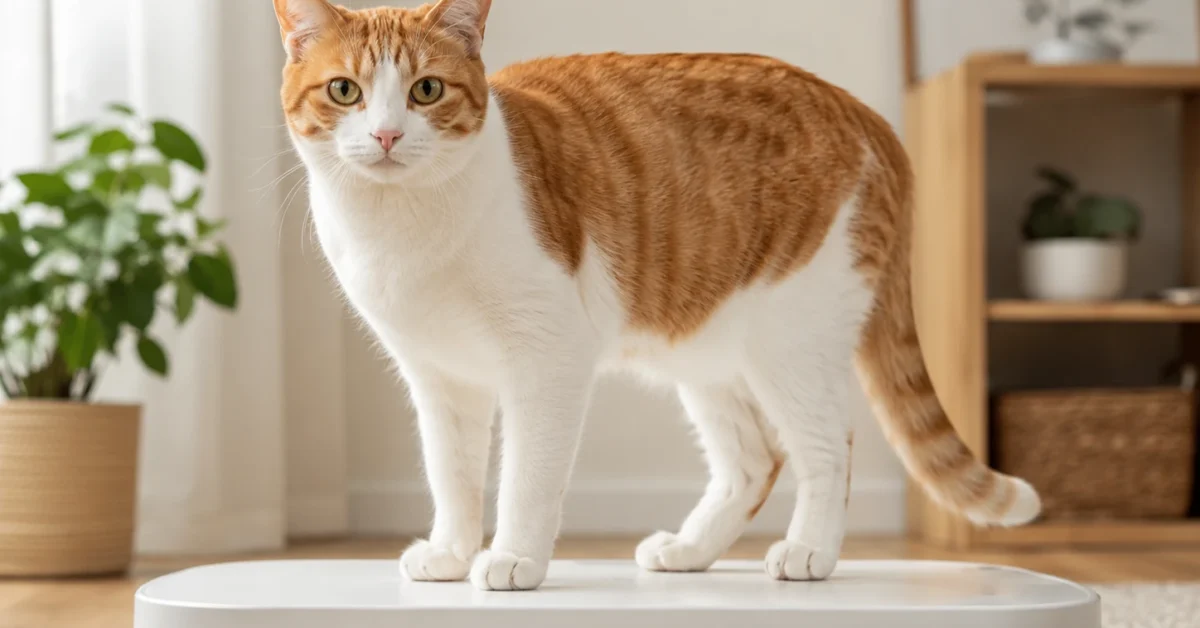
A healthy weight helps your cat stay active and reduces the risk of many health problems. Learn how much cats typically weigh, what affects a healthy weight, how to check your cat’s body condition, and when to speak with your veterinarian.
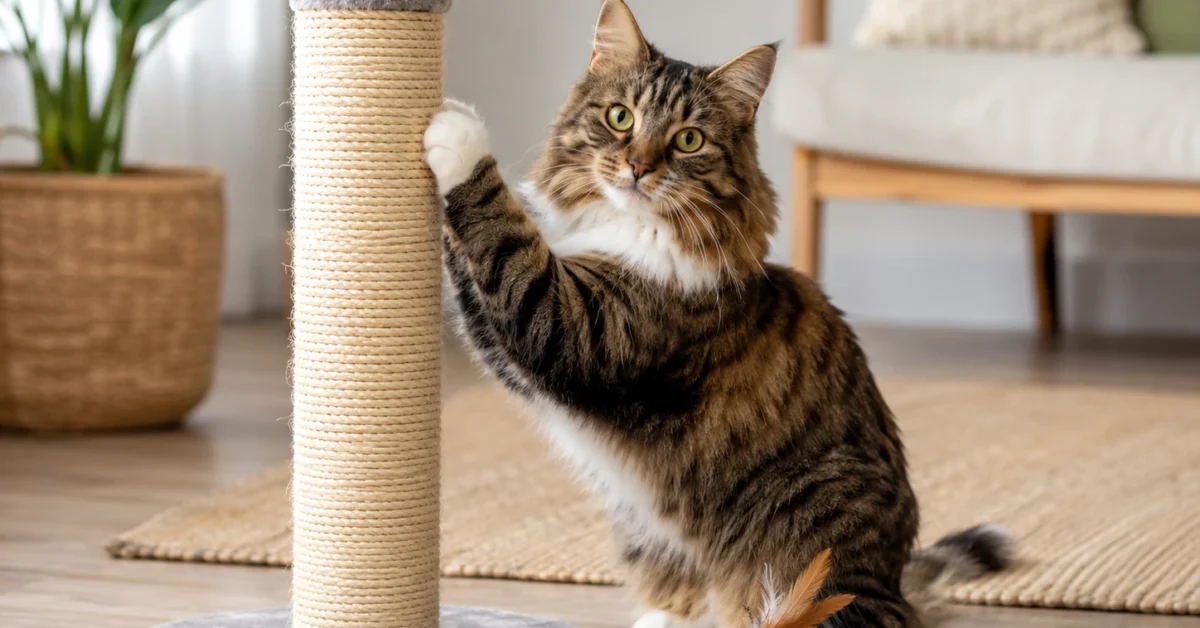
Learn how to encourage good cat behaviors using positive reinforcement, consistent routines, clear boundaries, and a cat-friendly environment. This practical guide explains how to build better habits while avoiding fear, punishment, and unnecessary confusion.