

Why Does My Cat Chatter at Birds?
Does your cat chatter at birds through the window? Learn why cats make this unusual sound, what it may reveal about their instincts and excitement, and whether this behavior is completely normal.
Does your cat chatter at birds through the window? Learn why cats make this unusual sound, what it may reveal about their instincts and excitement, and whether this behavior is completely normal.

Does your cat bite your feet as you walk by? Learn why cats target feet, what this playful or instinctive behavior means, and how to safely discourage the habit without damaging your bond.

Cats may knock things off tables because they are curious, playful, seeking attention, or testing how objects move. Learn why this behavior happens and how to reduce it without punishing your cat.

Cats often get the zoomies because they have stored-up energy, feel playful, or are following natural hunting rhythms. Learn why this sudden burst of activity happens, what is normal, and when unusual behavior may need closer attention.

Why does your cat scratch the furniture? Learn why scratching is a natural behavior, how to protect your furniture, and how to encourage your cat to use appropriate scratching surfaces instead.

Cats may bring dead animals home because of hunting instinct, territory, or social behavior. Learn what it means, how to respond calmly, and how to reduce hunting safely.
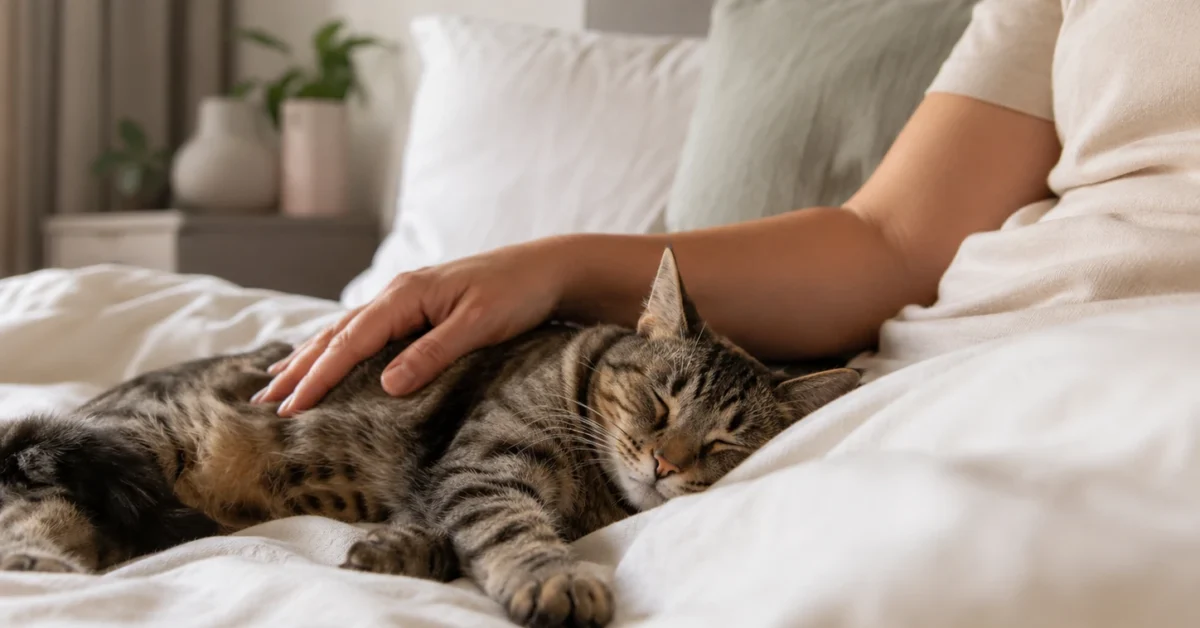
Wondering why your cat sleeps next to you? Learn the most common reasons cats choose to sleep beside their owners, what this behavior says about trust and comfort, and when a sudden change in sleeping habits could signal a problem.
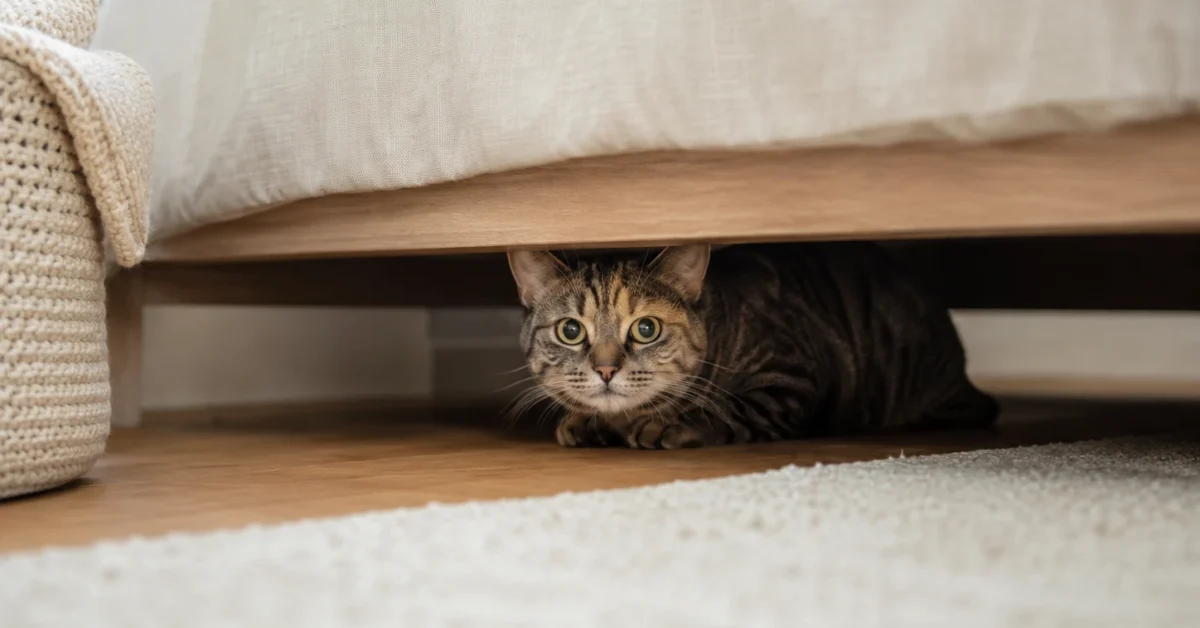
Cats may hide under the bed because they feel scared, stressed, tired, unwell, or overwhelmed. Learn what hiding can mean and how to help safely.
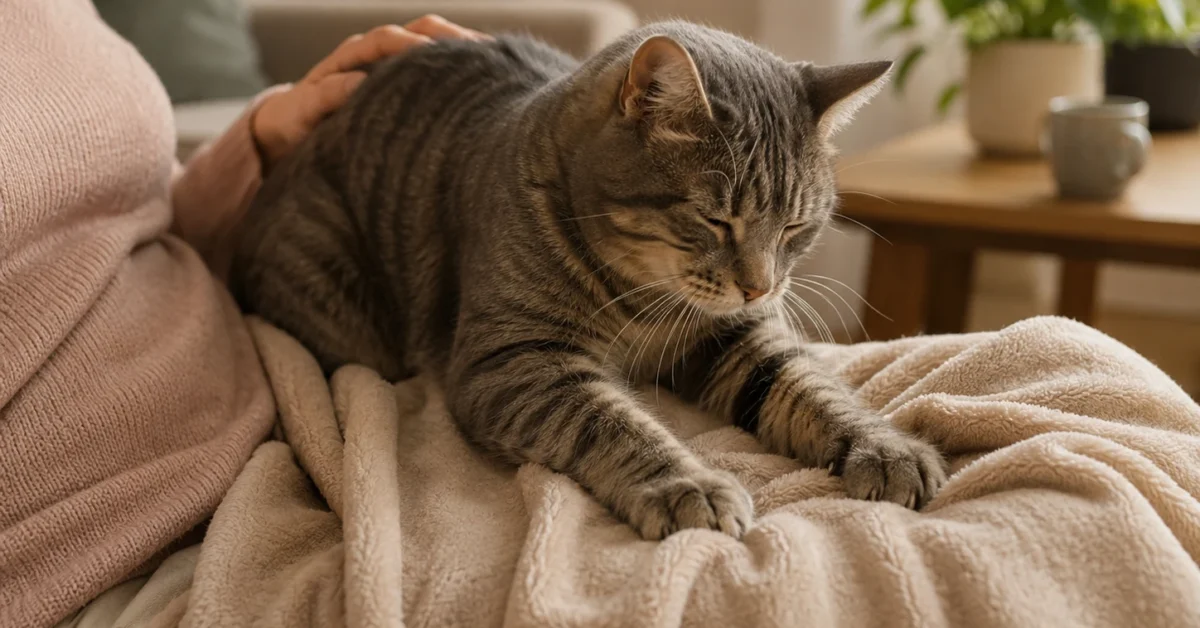
Cats often knead people when they feel safe, relaxed, or bonded. Learn what kneading means, why some cats do it more than others, and when it may signal discomfort.
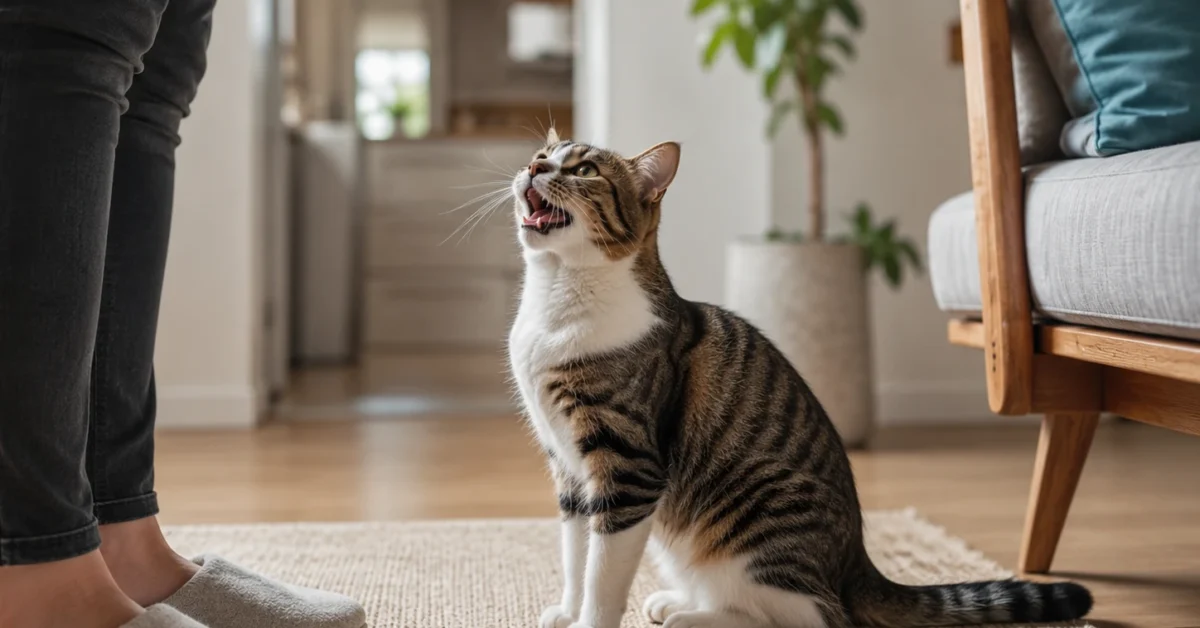
Cats may meow at you for attention, food, play, or help. Look at the situation, body language, and changes from their usual behavior to decide how to respond.