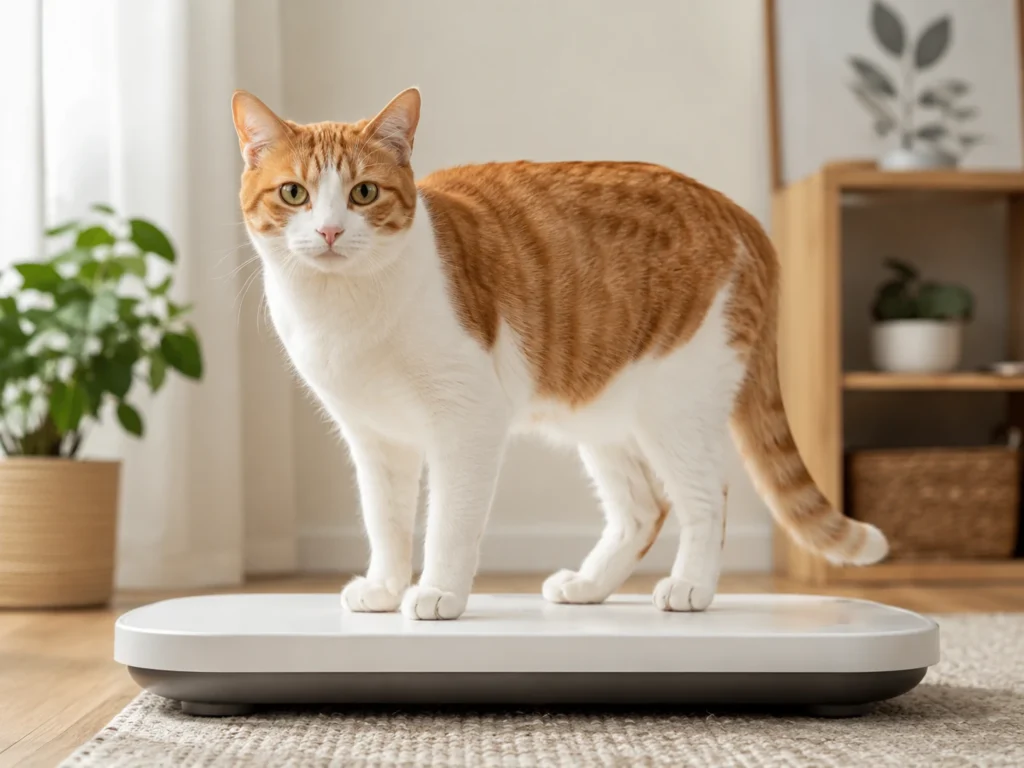
Moving a wand toy well is less about making it move as fast as possible and more about giving your cat something interesting to follow. Move the attachment away in short, prey-like bursts, pause often, let your cat watch and stalk, and allow successful captures. Keep the game voluntary, adjust it to your cat’s response, and finish by inspecting and securely storing the entire toy.
Quick Answer
To play with your cat using a wand toy:
- Check the wand, cord, connections, and attachment for damage.
- Choose an uncluttered area with a stable, non-slip surface.
- Begin at a comfortable distance instead of putting the toy in your cat’s face.
- Move the attachment away from your cat in short bursts.
- Add pauses, direction changes, and partial concealment.
- Give your cat time to watch, crouch, stalk, chase, and pounce.
- Let your cat capture the attachment intermittently.
- Adjust the speed, height, distance, and intensity to the individual cat.
- Slow the movement and end when your cat disengages or shows signs of distress.
- Inspect the toy again and store the entire wand somewhere inaccessible.
There is no universal number of minutes, jumps, or catches that makes a session successful. A good session is one in which the cat remains comfortable, interested, and free to participate or walk away.
What a Good Wand-Toy Session Looks Like
A wand toy places distance between your hands and the moving attachment, allowing you to imitate some of the movements of small prey without using your body as the target. The cat may watch, orient, crouch, stalk, chase, pounce, capture, hold, bite, release, or retreat before approaching again.
Not every session will include every behavior, and not every cat will race around the room. Watching can be part of the game. A cautious cat may study the attachment from behind furniture, while a senior cat may prefer to reach and pounce from one comfortable position. What matters is that your cat controls whether and how to engage.
Successful play also includes moments when the attachment becomes still or is caught. If it races continuously and always escapes, the game can become less convincing or unnecessarily frustrating. Varied movement, brief pauses, and intermittent captures create a more natural rhythm than frantic, nonstop waving.
Laser play is a special case because the cat cannot physically catch the target; Are Laser Pointers Safe for Cats? explains the additional eye-safety and behavioral considerations.
Wand play is one form of interactive play. If you are deciding when to use owner-controlled toys and when to offer independent options, see Interactive or Solo Cat Toys: Which Does Your Cat Need?.
Before You Start Playing
Taking a minute to check the equipment and surroundings can prevent a lively session from turning into an avoidable injury or swallowing risk.
Inspect the Entire Toy
Look over every part of the toy before bringing it near your cat:
- the rod or handle;
- the point where the cord connects to the rod;
- string, cord, ribbon, wire, or elastic;
- clips, swivels, knots, and other connectors;
- feathers, fabric, fur-like material, or stuffing;
- bells, beads, eyes, and decorative pieces; and
- any detachable or replaceable attachment.
Do not use the toy if the rod is cracked, the cord is frayed, a connection is loose, or a component is damaged or missing. A toy that was intact during the previous session may have been weakened by biting, pulling, or storage, so inspection should be routine rather than occasional.
A wand toy can be suitable for supervised play without being safe to leave accessible afterward. For broader guidance on construction, size, materials, and damage checks, read How to Choose Safe Toys for Your Cat.
Prepare a Safe Play Area
Choose an area where your cat can move without sliding into furniture, striking a hard edge, or becoming tangled around an object. Clear fragile items and avoid directing a fast chase toward stairs, open balconies, hot appliances, unstable furniture, or other hazards.
The floor should provide reliable footing. Rugs or carpet may give better traction than a polished surface, provided they lie flat and will not slide. You do not need a large empty room, but your cat should have a clear route to approach, retreat, and stop.
Keep the game at a level your cat can manage. Spectacular leaps are not the goal, and repeated twisting jumps or awkward landings add unnecessary risk.
How to Play With Your Cat Using a Wand Toy
The following sequence is a flexible method, not a rigid script. Let your cat’s posture, movement, and willingness to reengage determine the pace.
1. Invite Interest From a Comfortable Distance
Place or move the attachment where your cat can notice it without having it pushed toward their face or body. You might begin several feet away, near the edge of a rug or beside a piece of furniture.
Give your cat time to look. Do not physically position the cat, repeatedly tap them with the attachment, or assume that an immediate pounce is required. A head turn, focused gaze, change in ear direction, or lowered posture may show that your cat has noticed the movement.
If your cat appears frightened, increase the distance. If they leave, let them leave.
2. Move the Attachment Away Like Prey
Small prey generally does not rush directly into a predator’s face. Draw the attachment away from your cat, across the floor, around an object, or briefly through the air, depending on the toy and your cat’s preferences.
Use short movements rather than repetitive shaking in one place. Change direction occasionally, but keep the movement coherent enough for your cat to follow. A ground-level attachment might scurry and stop, while a feather-style attachment might rise briefly and settle again.
Avoid repeatedly swinging the attachment over your cat’s head or into their face. Also keep the rod, your hands, and the cord from becoming the most exciting moving targets.
3. Add Pauses and Partial Concealment
Pause the attachment after a short movement. Let it become still beside a box, under the edge of a blanket, or partly behind a furniture leg while keeping the cord visible and controlled.
Partial concealment can encourage investigation because your cat has information to gather. A tiny movement after a pause may be more interesting than constant vigorous motion.
Do not wrap the cord around furniture or pull it through a route where your cat could become entangled. Conceal the attachment only partially, and keep the entire setup under direct supervision.
4. Let Your Cat Watch and Stalk
Watching is not wasted play. Many cats spend time assessing distance and timing before moving. Hold the pause long enough for your cat to crouch, approach slowly, reposition, or decide not to continue.
Try not to restart the instant your cat stops moving. If you constantly pull the toy away, you may interrupt the stalking phase that makes the eventual chase satisfying.
When your cat begins to approach, use another short movement away. Match the intensity to the response rather than trying to provoke the most dramatic reaction possible.
5. Allow Intermittent Captures
Let your cat catch the attachment at intervals. When they pin or hold it, reduce the tension on the cord rather than yanking it sharply from their paws or mouth. They may bite, kick, release it quickly, or carry it a short distance.
Stay close enough to supervise without grabbing at the cat. Once they release the attachment or their attention shifts, you can make a small movement and see whether they choose to reengage.
There is no correct capture ratio. The important point is that catching the toy is a genuine possibility, not something you prevent throughout the entire game.
6. Restart Only When Your Cat Reengages
After a capture or pause, look for renewed attention. Your cat might turn toward the attachment, lower their body, move closer, or wait for it to move again. Restart gently and build the pace only if the cat remains comfortable and coordinated.
If your cat grooms, walks away, lies down without watching, hides, or otherwise disengages, do not chase them with the toy. You can end the session or try again at another time.
Cats can vary in their interest from one day to the next. If low interest is persistent or accompanied by changes in movement, appetite, behavior, or general wellbeing, treat that as more than a toy-technique problem. Why Won’t My Cat Play With Toys? explains the wider possibilities.
7. Slow Down and End Calmly
Do not switch abruptly from intense movement to putting the toy away while your cat is still pursuing it. Reduce the speed and distance, add longer pauses, and allow a final capture if your cat wants one.
Once the cat releases the attachment and is no longer pursuing it, collect the wand calmly. Inspect it before storage so that you notice loose or missing parts immediately.
You do not need to continue until your cat is exhausted. Ending while coordination and control remain good is safer than trying to achieve a fixed duration.
Adjust the Game to Your Cat
Age alone does not determine how a cat will play. Confidence, health, body condition, mobility, past experience, coordination, and individual preference all matter.
Kittens and Active Adults
Young or highly active cats may accelerate quickly, but enthusiasm does not remove the need for safe footing and controlled routes. Keep the attachment away from hard edges and do not encourage repeated high jumps, rapid spins, or collisions.
Kittens are still learning where to direct their teeth and claws. Maintain clear distance between the attachment and your hands, and end or reset the game if the kitten begins targeting skin or clothing. For the broader kitten-specific routine beyond wand technique, see How to Play With a Kitten.
Cautious Cats and Cats That Prefer to Watch
Use slower, smaller movements farther away from the cat. Ground-level motion and partial concealment may feel less intrusive than an attachment swinging overhead. Allow long pauses and provide an open escape route.
Do not drag the toy into a hiding place to force interaction. If the cat watches without approaching, that may be enough for the moment. You can test a different attachment, surface, time, or movement pattern during a future session.
Rotating what is available can help preserve novelty without surrounding the cat with toys. How to Rotate Cat Toys to Keep Them Interesting covers that wider routine.
Senior Cats and Cats With Limited Mobility
Keep the attachment near the cat and move it slowly along the floor or across a stable surface they can reach comfortably. The cat may bat, grab, or pounce without running. Avoid asking them to jump, turn sharply, or repeatedly cross the room.
For a wider guide to adapting the surface, reach, sensory cues, captures, and stopping point, see How to Play With a Senior Cat.
A cat who has become reluctant to play, climb, jump, or move may be experiencing pain or another health problem. Do not dismiss a meaningful change as normal aging or try to exercise the cat through it. Ask a veterinarian for guidance.
How to Tell Whether Your Cat Wants to Continue
Read the whole cat and the context rather than relying on a single sign. Large pupils, for example, can occur during playful excitement but can also accompany fear or high arousal.
Signs of Voluntary Engagement
Your cat may be interested if they:
- orient toward or visually track the attachment;
- crouch, stalk, follow, or reposition;
- chase or pounce with coordinated movement;
- capture, release, and then look for the toy;
- pause and voluntarily approach again; or
- remain able to disengage and move away.
The intensity can vary. Quiet tracking and one deliberate paw strike may be just as voluntary as a fast chase.
When to Slow Down or Stop
Reduce the movement or end the session if your cat:
- repeatedly tries to leave;
- hides and does not reemerge voluntarily;
- becomes tense or loses coordinated movement;
- flattens the ears, lashes the tail, growls, or hisses;
- redirects biting or swatting toward the person;
- appears frightened, distressed, overheated, or exhausted;
- begins limping or shows sudden pain; or
- becomes tangled or caught on the toy.
These signs do not allow you to diagnose aggression, fear, or pain from one brief moment. They do tell you that continuing or increasing the intensity is inappropriate.
Prevent Biting and Redirected Play
Keep hands, fingers, feet, clothing, and movement under blankets out of the prey role. If the toy passes repeatedly over your body or close to your ankles, your cat may redirect the chase toward you.
If the cat targets your skin or clothing:
- Stop moving the attachment.
- Keep your hands and feet still and create space when it is safe to do so.
- Allow the cat’s arousal to decrease.
- Do not shout, hit, spray, or physically punish the cat.
- End the session if controlled play does not resume.
Repeated play biting needs a broader plan than faster wand movements. See How Do I Stop My Cat From Biting During Play? for the complete response.
Wand-Toy Safety During and After Play
Wand toys are designed for interaction, not independent access. Direct supervision should continue from the moment the toy comes out until it has been put away securely.
Supervision and Inspection
Watch both the cat and the entire toy. Do not play while distracted by a call, cooking, or another task that prevents you from noticing a fraying cord or loose attachment.
Stop immediately if a part breaks, disappears, or becomes lodged in the cat’s mouth or claws. Inspect the wand again after use, paying particular attention to areas that were bitten or pulled.
Ingestion and Entanglement Risks
String, ribbon, cord, elastic, feathers, stuffing, and small detachable pieces can cause serious harm if swallowed. Linear materials are especially dangerous because they can become anchored while the intestines continue moving around them. Is String Safe for Cats to Play With? explains why loose string is unsafe, how attached-string toys differ, and what to do after possible ingestion or entanglement.
If you know or suspect that your cat swallowed part of a wand toy, contact a veterinarian promptly. Do not wait for obvious symptoms before seeking advice, and do not attempt to make the cat vomit unless a veterinarian specifically instructs you to do so.
Never pull visible string or similar material from your cat’s mouth or anus. Pulling can cause internal injury. Prevent the cat from chewing more of the material and obtain urgent veterinary guidance.
Entanglement around a limb, neck, or body can also cause injury. If your cat is tightly trapped, struggling, distressed, injured, or having difficulty breathing, treat the situation as urgent and contact a veterinarian immediately.
Secure Storage
Put the whole toy in a closed cabinet, drawer, or secure container that your cat cannot open. Store the rod and attachment together so no stringed section remains available.
Do not leave the wand leaning in a corner, protruding from a basket, hanging from an accessible hook, or lying on top of furniture where the cat can pull it down. “Out of the way” is not the same as inaccessible.
This storage requirement applies even if your cat has never chewed string before. Supervised use and inaccessible storage are the reliable safety controls.
When to Contact a Veterinarian
Stop the game and seek veterinary advice if your cat shows sudden pain, limping, reluctance to bear weight, a possible impact injury, or a meaningful reduction in normal play, jumping, or mobility.
Contact a veterinarian promptly if any part of the wand toy may have been swallowed or if entanglement may have caused an injury. Do not pull visible linear material from the mouth or anus.
Breathing difficulty, open-mouth breathing, collapse, severe distress, or tight entanglement that interferes with breathing requires immediate veterinary attention.
Play can support an active, enriched life, but it cannot diagnose or treat a health problem. For routine planning without fixed universal targets, see How Much Playtime Does a Cat Need Each Day?.
Common Mistakes to Avoid
- Waving the attachment in the cat’s face: Begin at a comfortable distance and move it away rather than repeatedly pushing it toward the cat.
- Keeping the toy in nonstop frantic motion: Add pauses, partial concealment, and changes of pace so the cat can watch and stalk.
- Never allowing a capture: Let the cat catch and hold the attachment intermittently instead of making success impossible.
- Yanking the toy away after a catch: Reduce the tension and wait for a release rather than pulling sharply against the cat’s mouth or paws.
- Using hands or feet as backup prey: Keep all human body parts out of the game, even when the wand attachment is temporarily ignored.
- Trying to force spectacular jumps: Favor controlled pursuit and safe footing over height, speed, or dramatic movement.
- Ignoring disengagement: Do not follow the cat with the toy, punish them, or force another chase when they want to leave.
- Using a damaged toy: Retire the wand immediately if its rod, cord, connection, attachment, or small components are compromised.
- Leaving the wand accessible afterward: Store the entire toy behind a closed, secure barrier after every session.
- Treating a sudden loss of play as stubbornness: Consider pain or illness when normal play or mobility meaningfully changes.
Helpful Related Guides
- How to Choose Safe Toys for Your Cat
- Interactive or Solo Cat Toys: Which Does Your Cat Need?
- How Much Playtime Does a Cat Need Each Day?
- Why Won’t My Cat Play With Toys?
- How Do I Stop My Cat From Biting During Play?
FAQ
Sources
- Feline Veterinary Medical Association: Your Cat’s Environmental Needs
- AAFP and ISFM Feline Environmental Needs Guidelines
- International Cat Care: Playing With Your Cat
- Cats Protection: Behaviour Guide
- AAHA/AAFP Feline Life Stage Guidelines
- VCA Animal Hospitals: Ingestion of Foreign Bodies in Cats
- Cat Friendly Homes: Home and Mobility Modifications
- Scientific Reports: The Relationship Between Amount of Play and Cat Welfare
- VCA Animal Hospitals: Emergencies in Cats
Final Thoughts
Good wand play is a conversation between your movement and your cat’s response. Move the attachment away in short bursts, let stillness create anticipation, respect the stalking phase, and make capture possible. Your cat should always be free to pause, change strategy, or leave.
Keep the game within your cat’s physical abilities, use a safe surface, and stop before excitement becomes distress or uncontrolled redirection. Once the session ends, inspect every part of the toy and store it somewhere genuinely inaccessible.
The best session is not necessarily the longest or most energetic one. It is the one that gives your cat a safe opportunity to watch, stalk, chase, catch, and choose what happens next.