
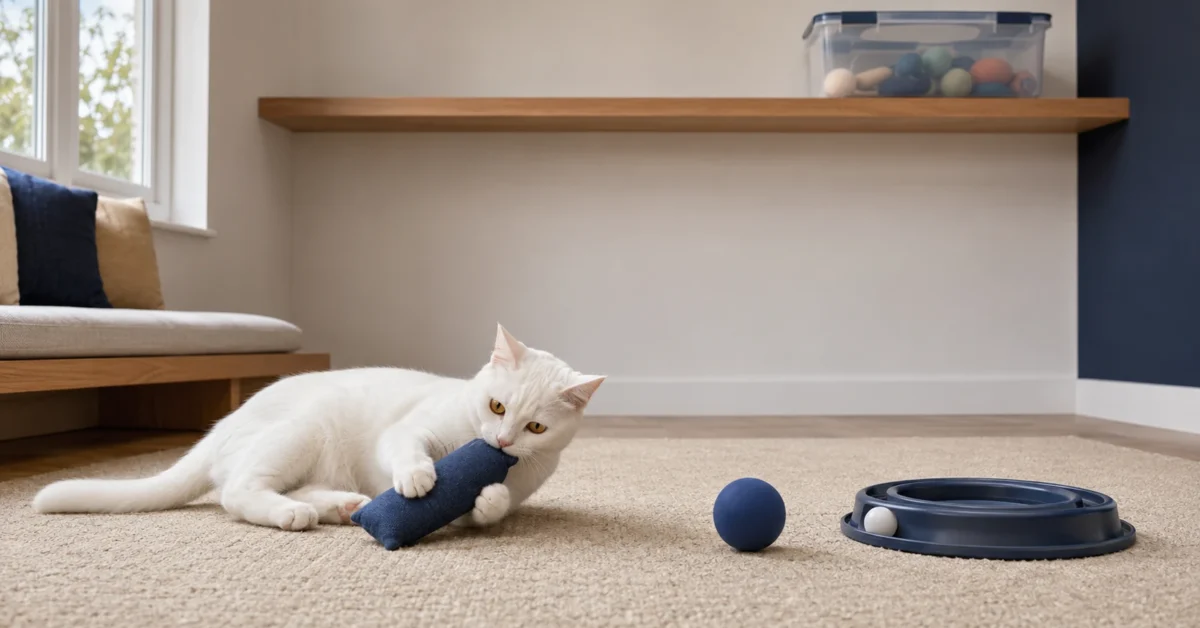
How to Rotate Cat Toys to Keep Them Interesting
Learn how to build a simple cat-toy rotation using small active sets, secure storage, safety inspections and flexible changes based on your cat’s response.
Learn how to build a simple cat-toy rotation using small active sets, secure storage, safety inspections and flexible changes based on your cat’s response.
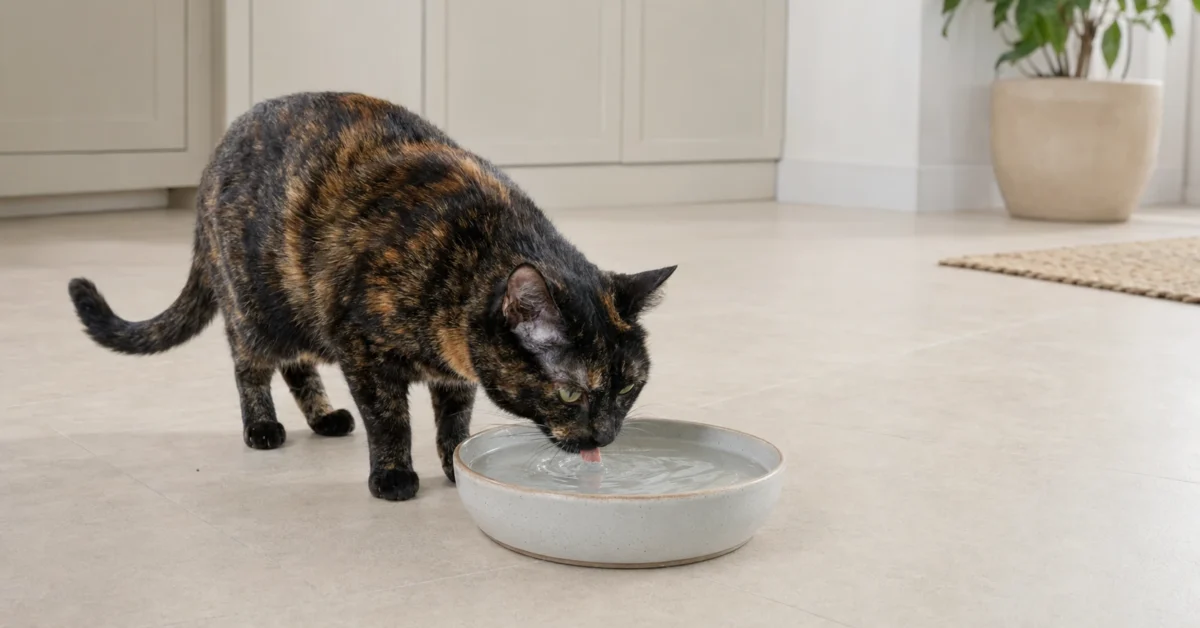
Learn how to choose a cat water bowl by material, width, depth, stability, cleaning needs and your cat’s individual preferences.
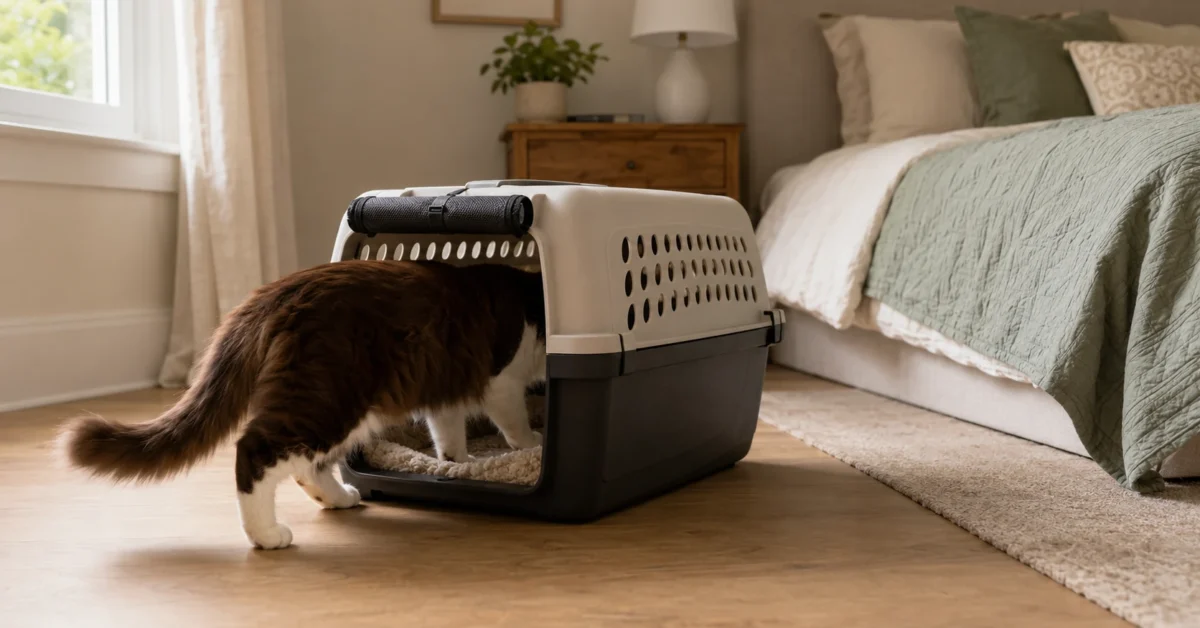
Help your cat feel calmer around their carrier with a gradual, voluntary training process covering approach, entry, door closure, lifting, and carrying.
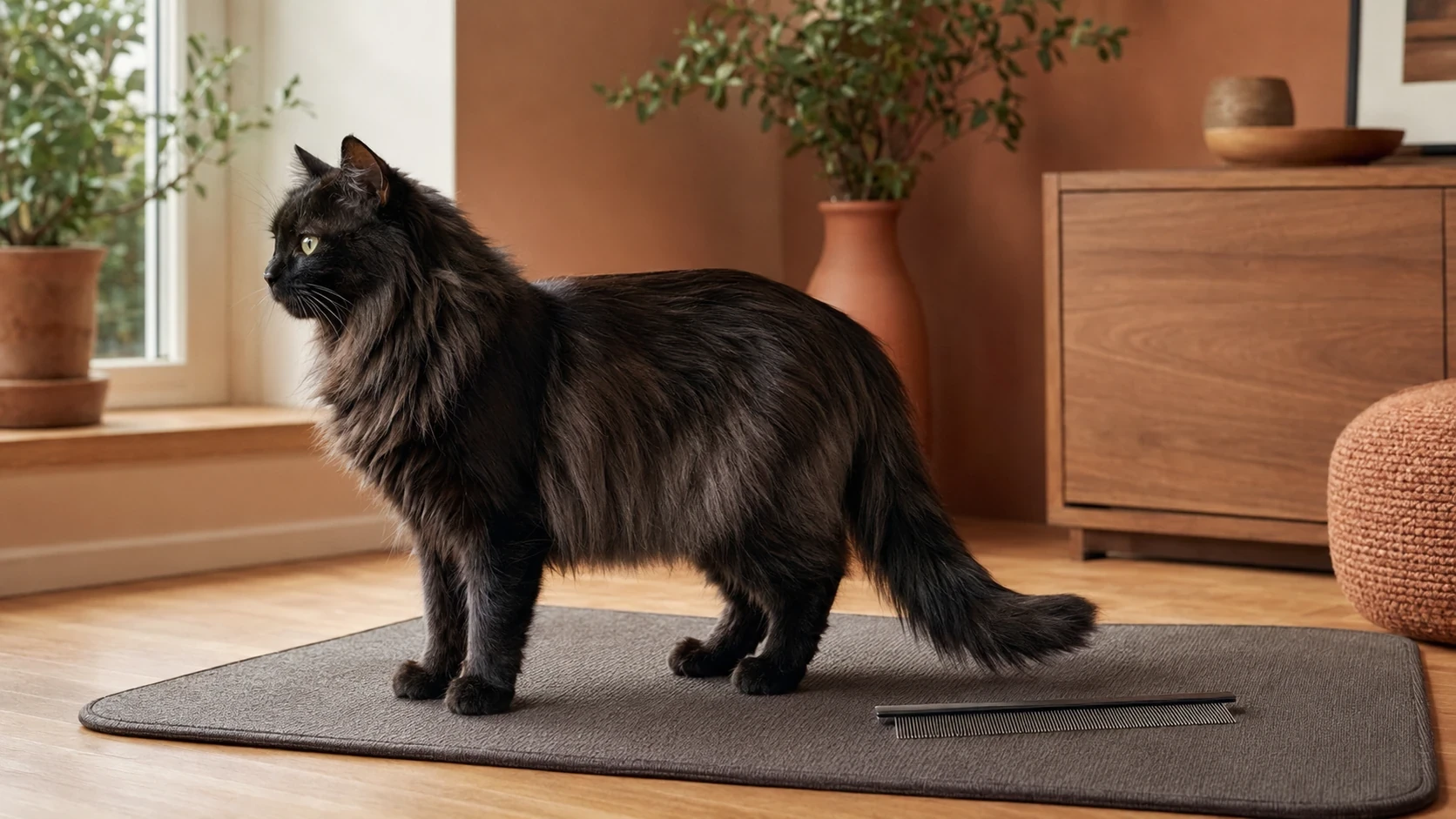
Prevent mats by removing loose hair, checking beneath the visible coat, adapting grooming to your cat, and recognizing when professional help is safer.
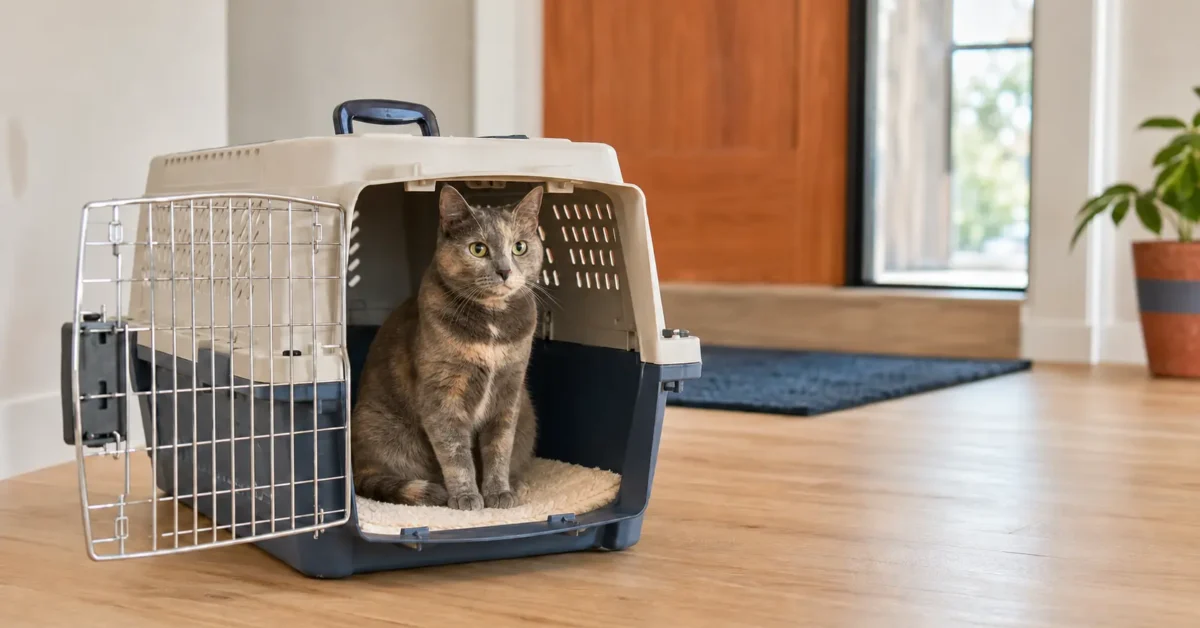
Choose a secure, practical cat carrier by checking its structure, usable size, access, ventilation, cleaning, stability, and suitability for your cat.
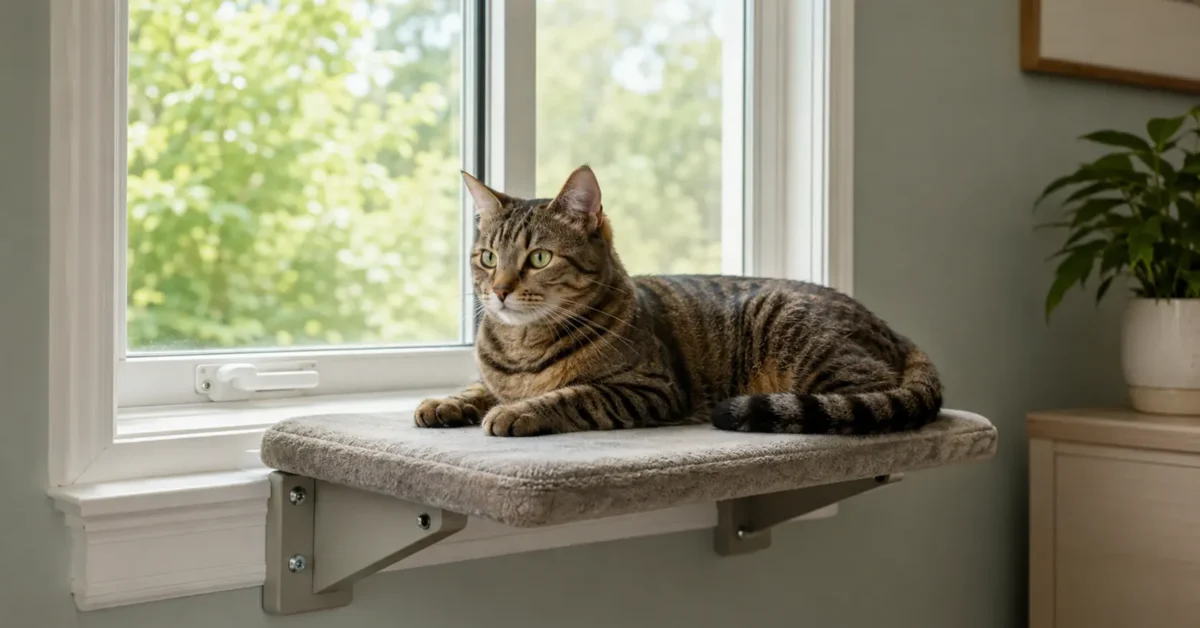
A cat window perch is safest when the design, mounting surface, installation, access route and cat are all compatible. Learn how to choose, test, inspect and maintain a perch without relying on appearances alone.
No single behavior proves that a cat is bored. Learn how to assess possible under-stimulation, consider medical and environmental explanations, test suitable changes and monitor whether they help.
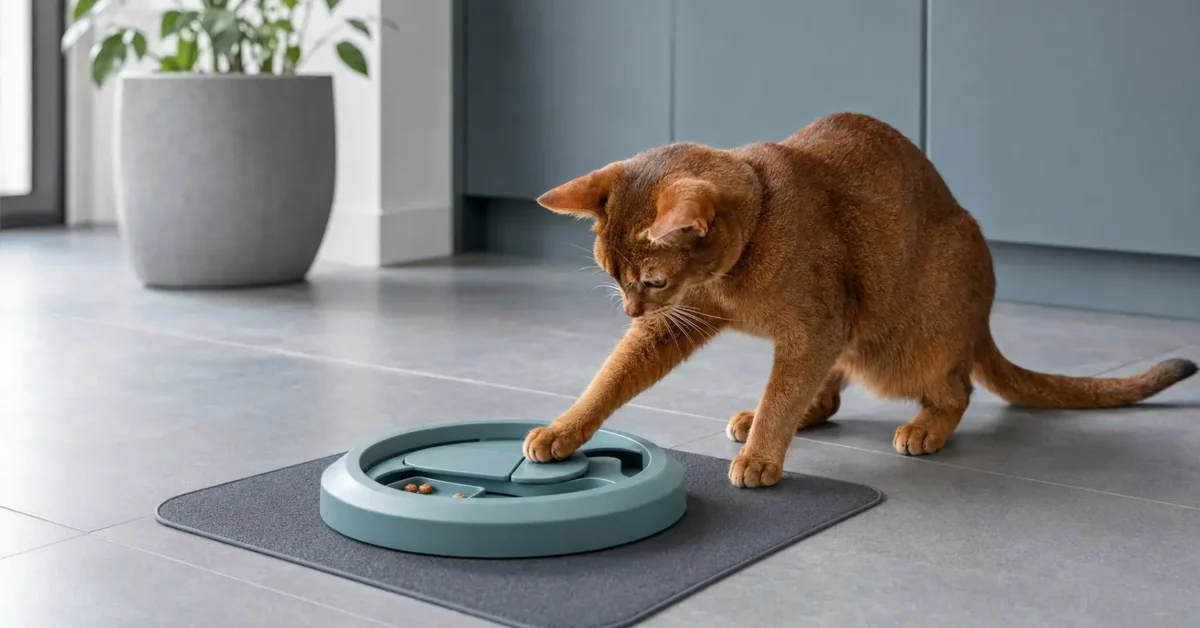
Learn how to introduce a puzzle feeder gradually, use food from your cat’s measured daily allowance, prevent frustration and adapt the setup to their needs.
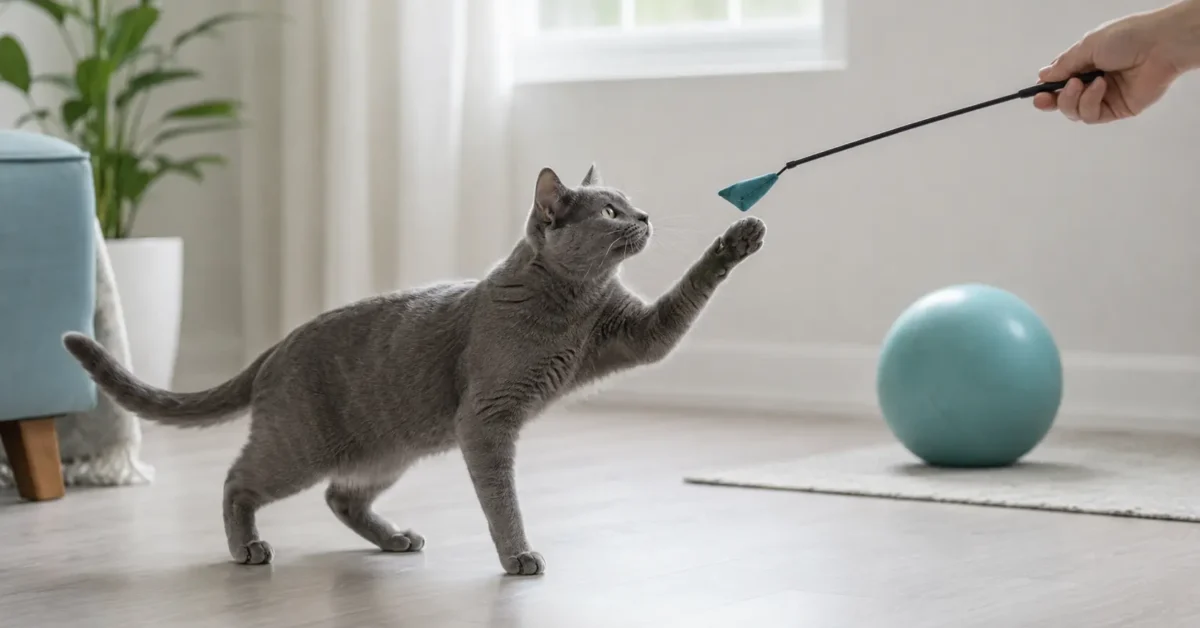
Some cat toys only come alive when a person controls them. Others allow a cat to bat, chase, carry or kick something independently. These two
Interactive or Solo Cat Toys: Which Does Your Cat Need? Read More »
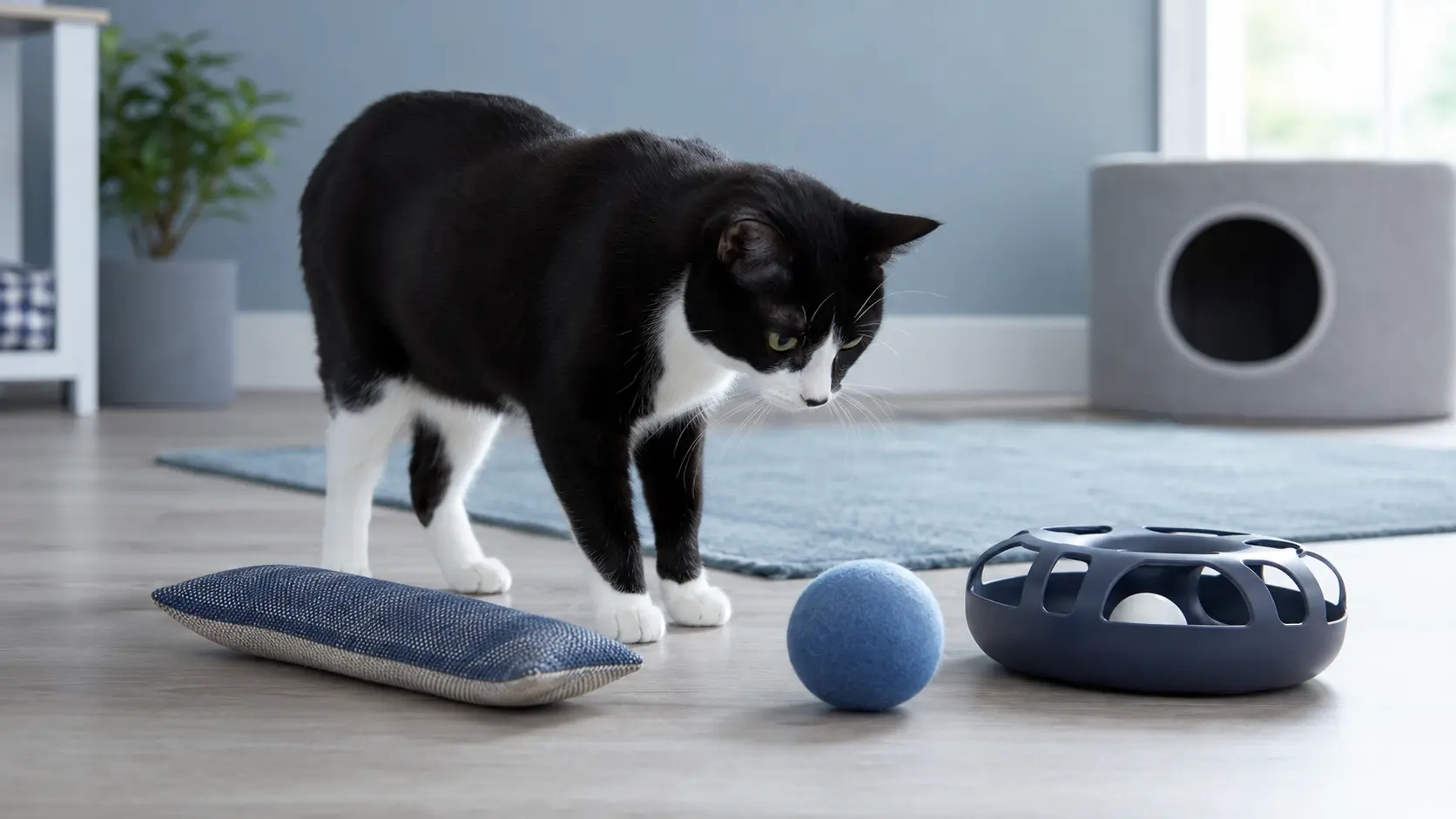
Learn how to choose safe toys for your cat, identify common hazards, decide which toys need supervision, and know when to remove damaged toys.