
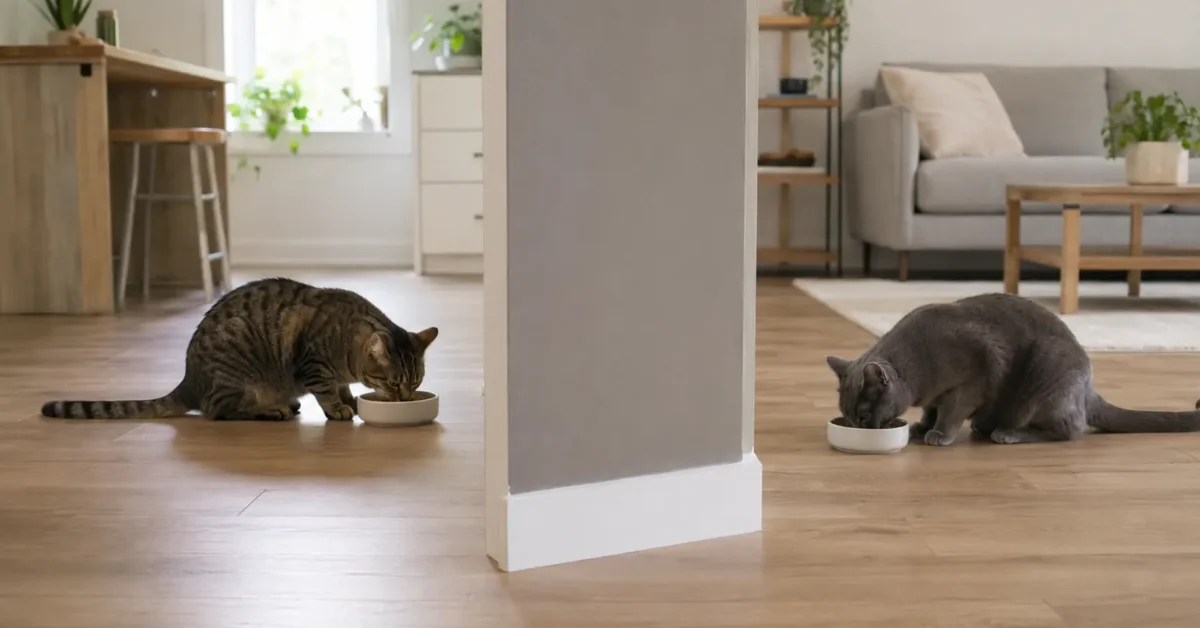
How to Feed Multiple Cats Separately
A practical system for feeding multiple cats separately, preventing food stealing and confirming that every cat receives the intended meal.
A practical system for feeding multiple cats separately, preventing food stealing and confirming that every cat receives the intended meal.
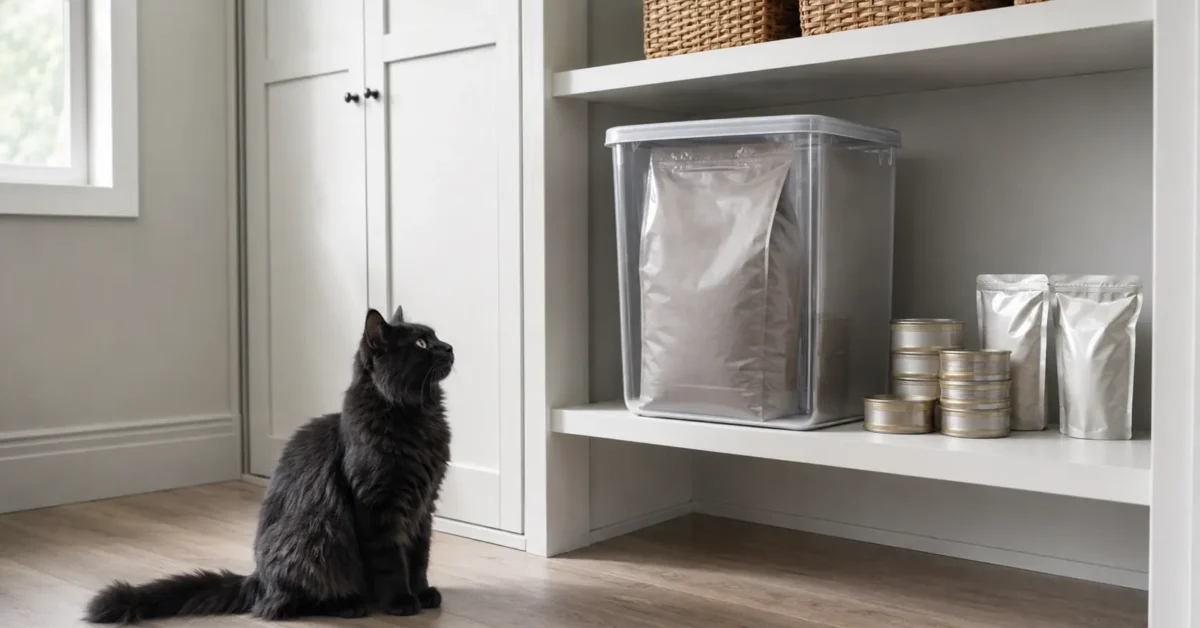
Store dry and wet cat food safely with this practical guide to packaging, containers, refrigeration, hygiene, date codes and disposal.
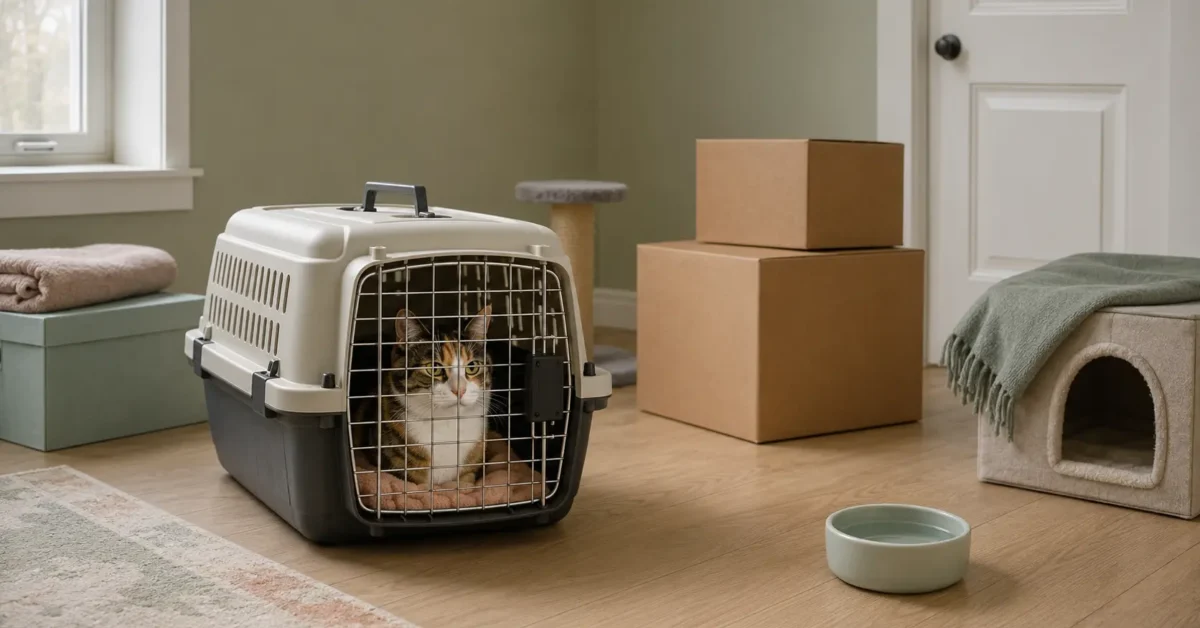
Moving with a cat is safest when you plan a controlled route from a secure room in the old home, through travel in a closed carrier, to another secure room at the new home.
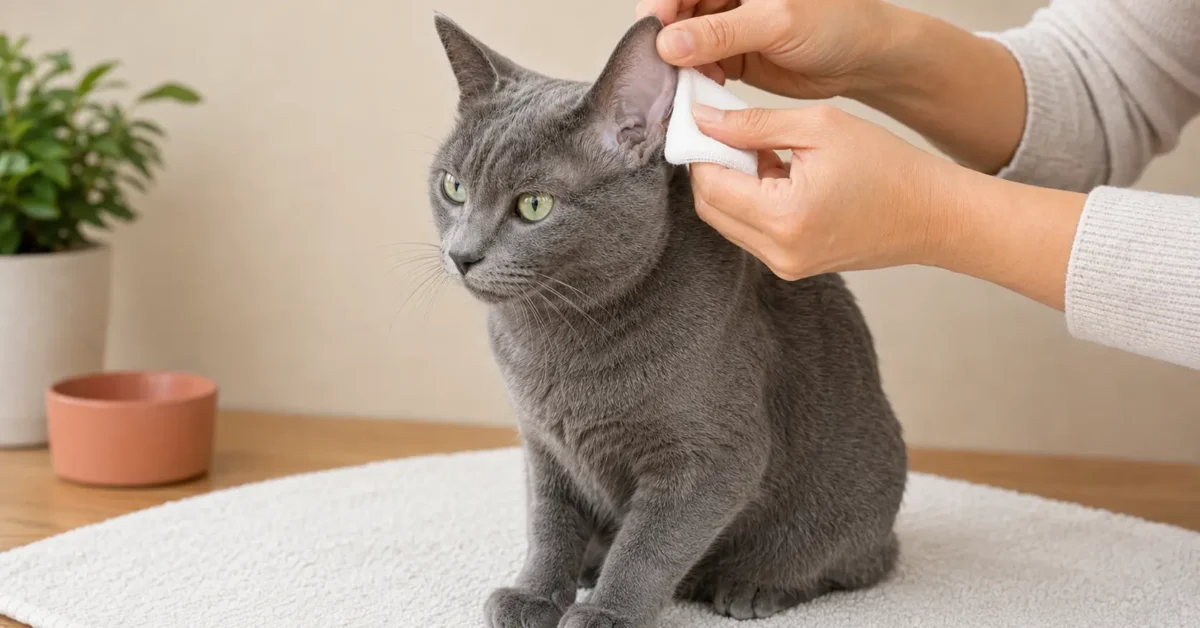
Most healthy cats do not need routine ear cleaning. Learn when to leave ears alone, when to contact a veterinarian, and how to clean safely if advised.
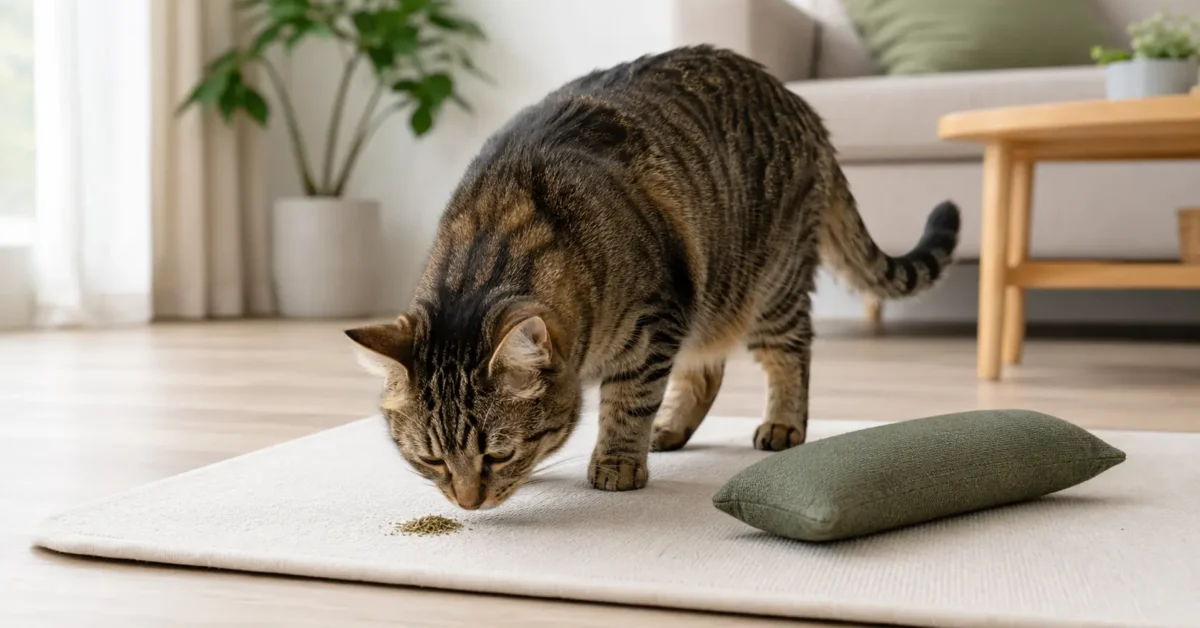
Learn how to introduce ordinary catnip safely, recognize your cat’s individual response, avoid unsuitable concentrated products, and identify when the interaction should stop.
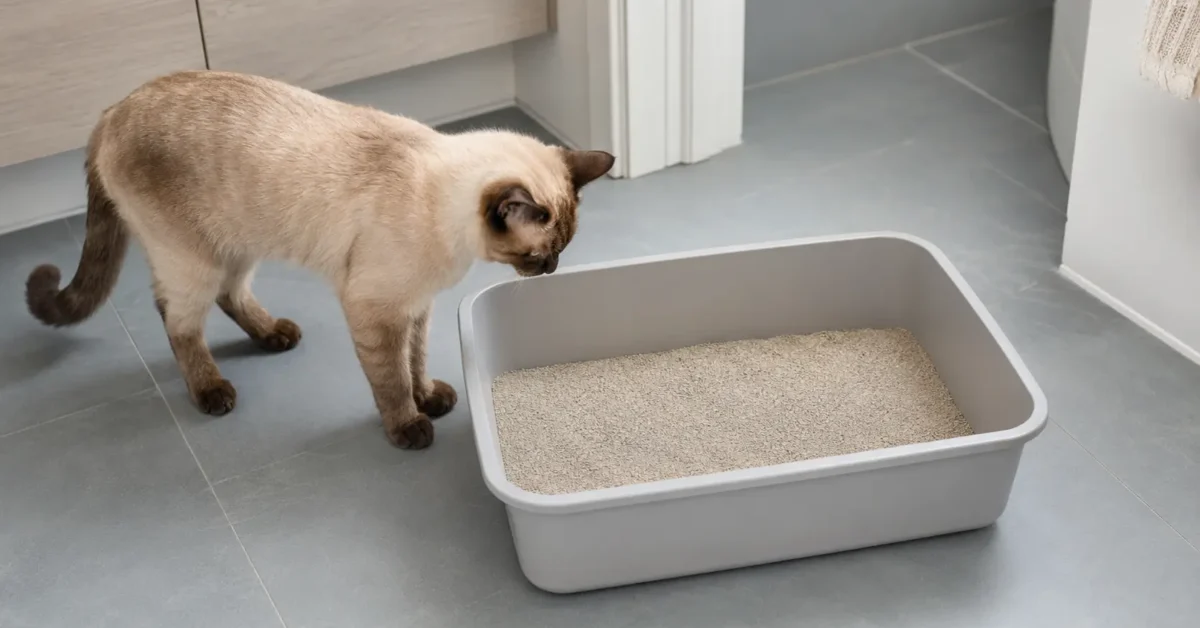
Start with about 1¼–2 inches of fine-grained litter, then adjust cautiously for the material, box design, and your cat’s digging, footing, covering, and continued box use.
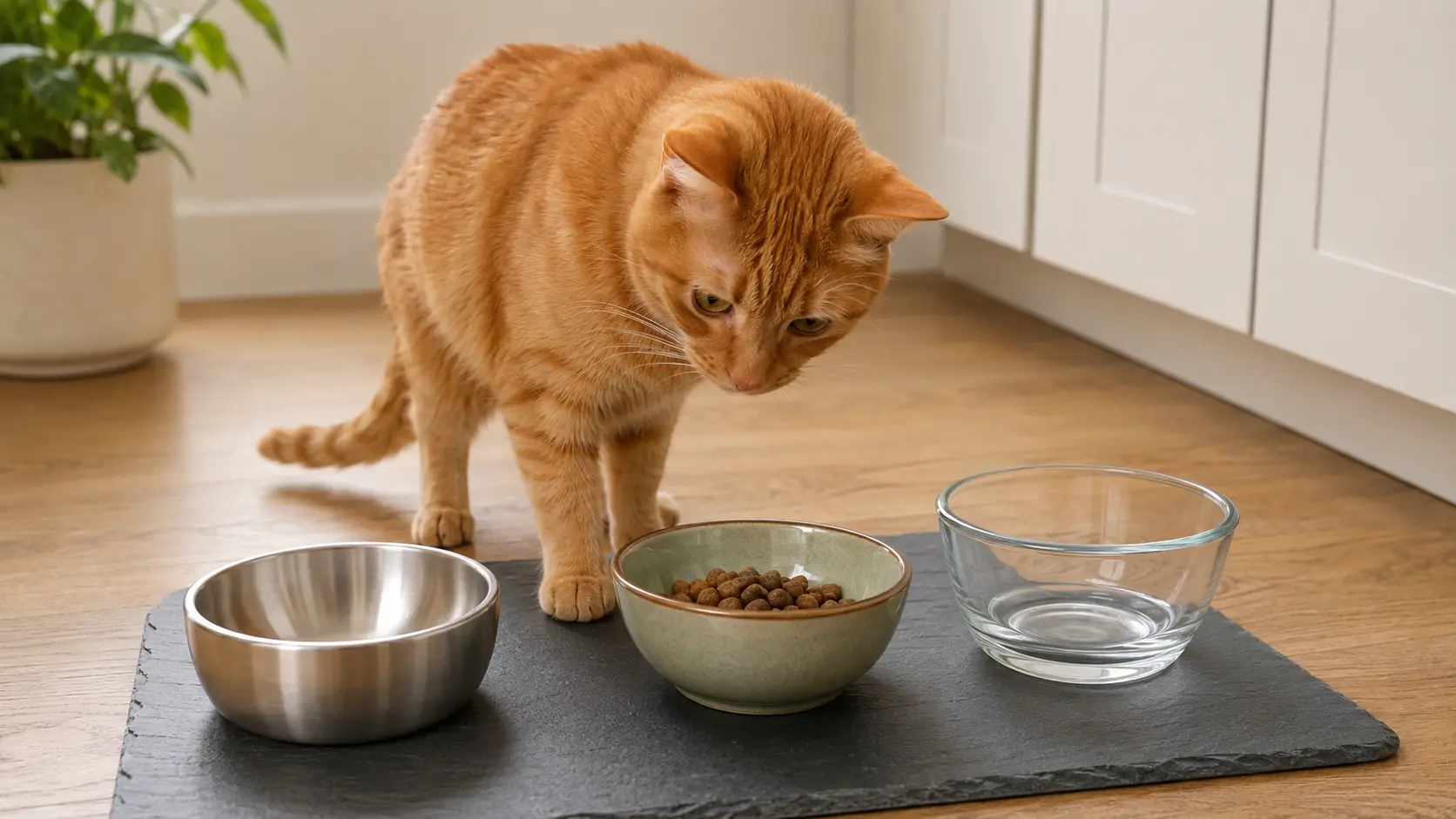
There is no universally best cat food bowl. Learn how to compare materials, condition, shape, capacity, stability, and comfort to find a suitable option for your individual cat.
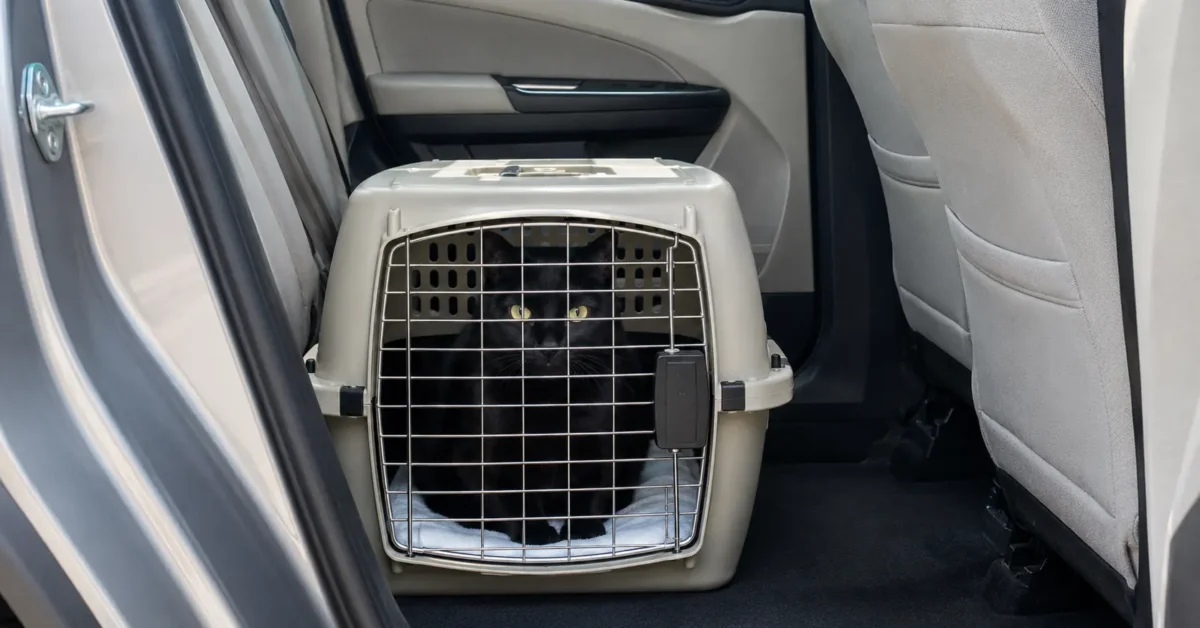
Keep your cat safer in the car with a closed carrier, appropriate vehicle positioning, controlled temperature, and careful escape prevention. Learn how to prepare, manage longer journeys, respond to motion sickness, and recognize signs that need urgent veterinary help.
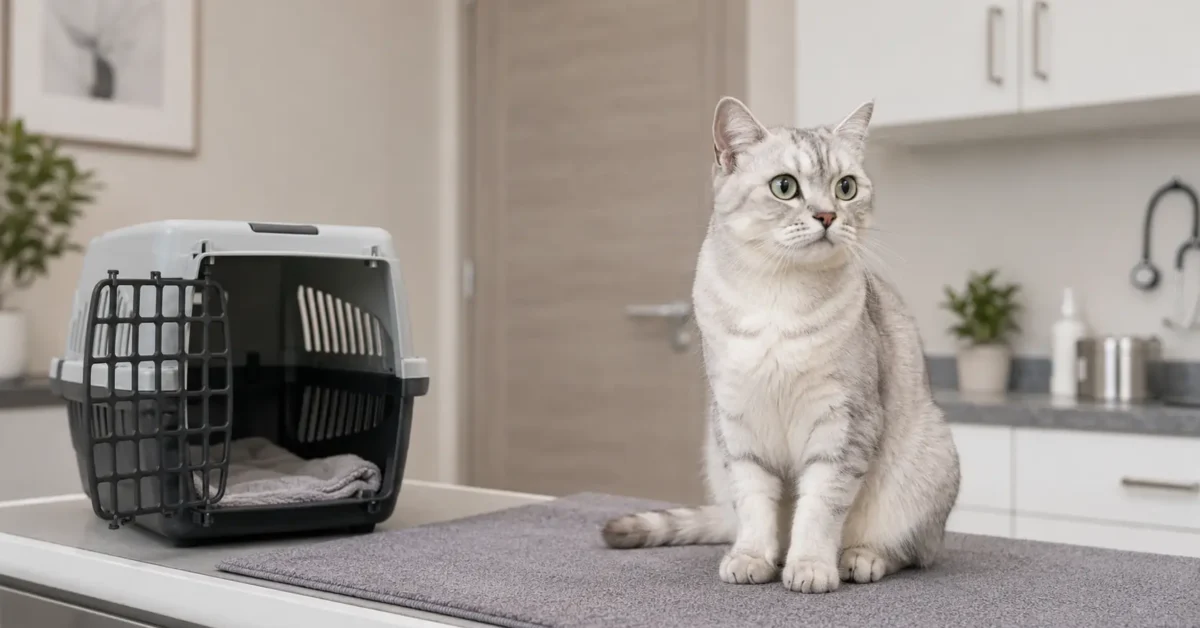
Prepare your cat for a veterinary visit with a practical process covering clinic instructions, carrier setup, health information, appointment-day preparation, transport, and situations that need extra veterinary support.
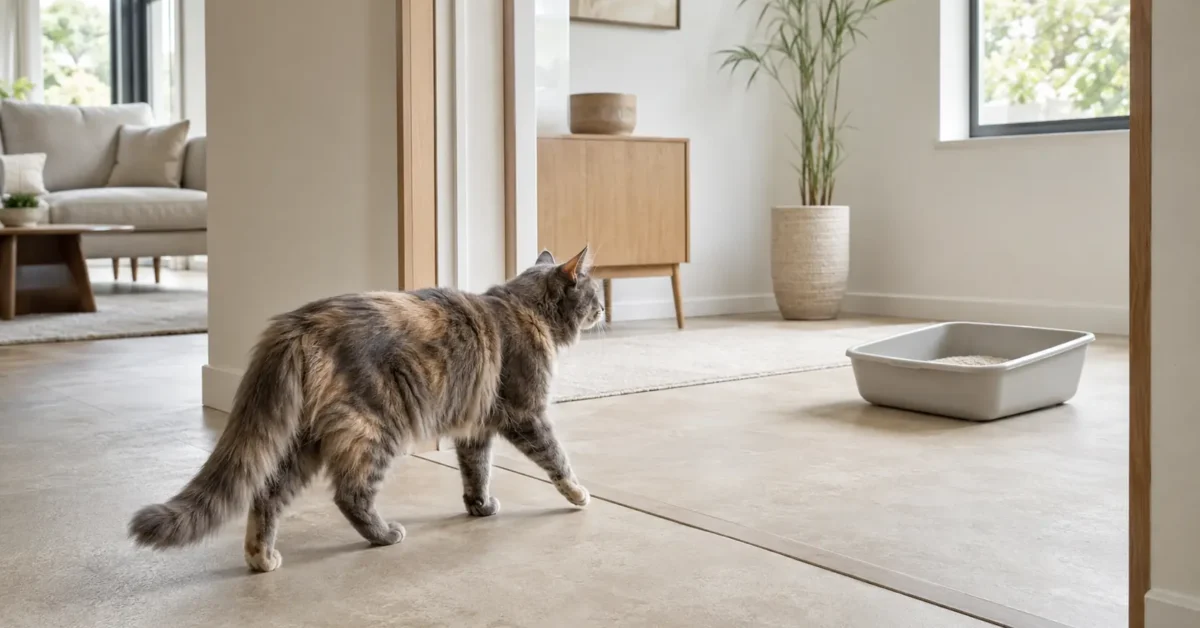
Move your cat’s litter box without removing a reliable toileting option too soon. Learn when to use a temporary second box, how to relocate the accepted box gradually, and when your cat’s response means you should pause or reverse the move.
How to Move Your Cat’s Litter Box to a New Location Read More »