
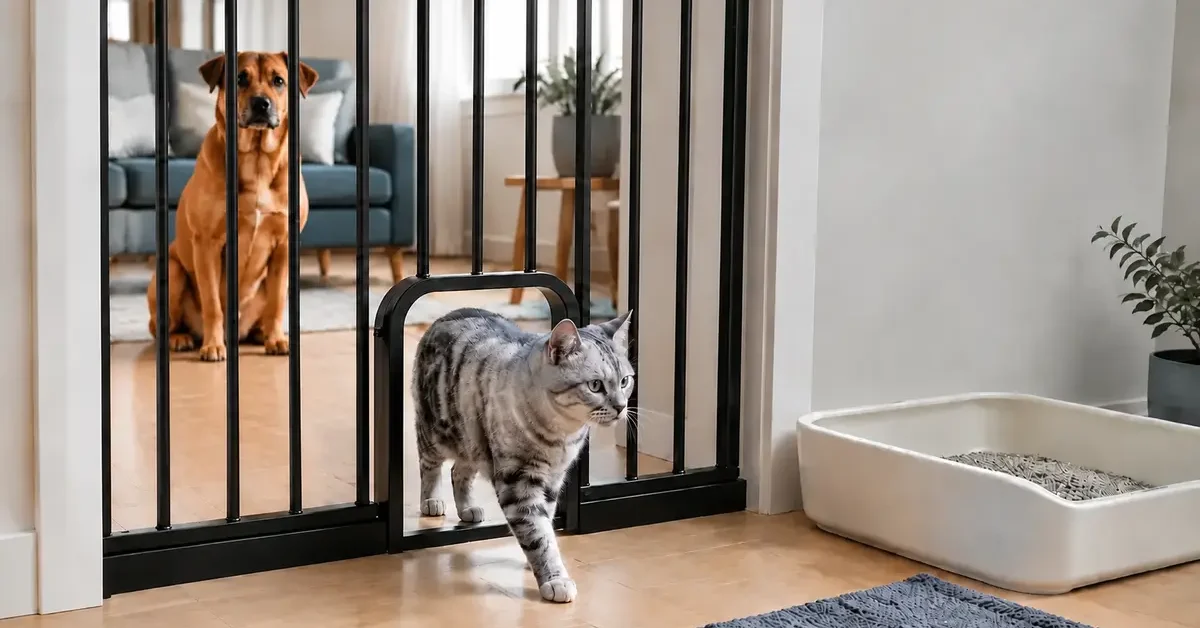
How to Keep a Dog Out of the Cat’s Litter Box
The most reliable way to keep a dog out of a cat’s litter box is to create physical separation that the cat can cross easily
The most reliable way to keep a dog out of a cat’s litter box is to create physical separation that the cat can cross easily

Learn how to choose, portion, track, and gradually vary cat-training rewards without allowing treats to displace your cat’s normal diet.
How to Use Treats for Cat Training Without Overfeeding Read More »
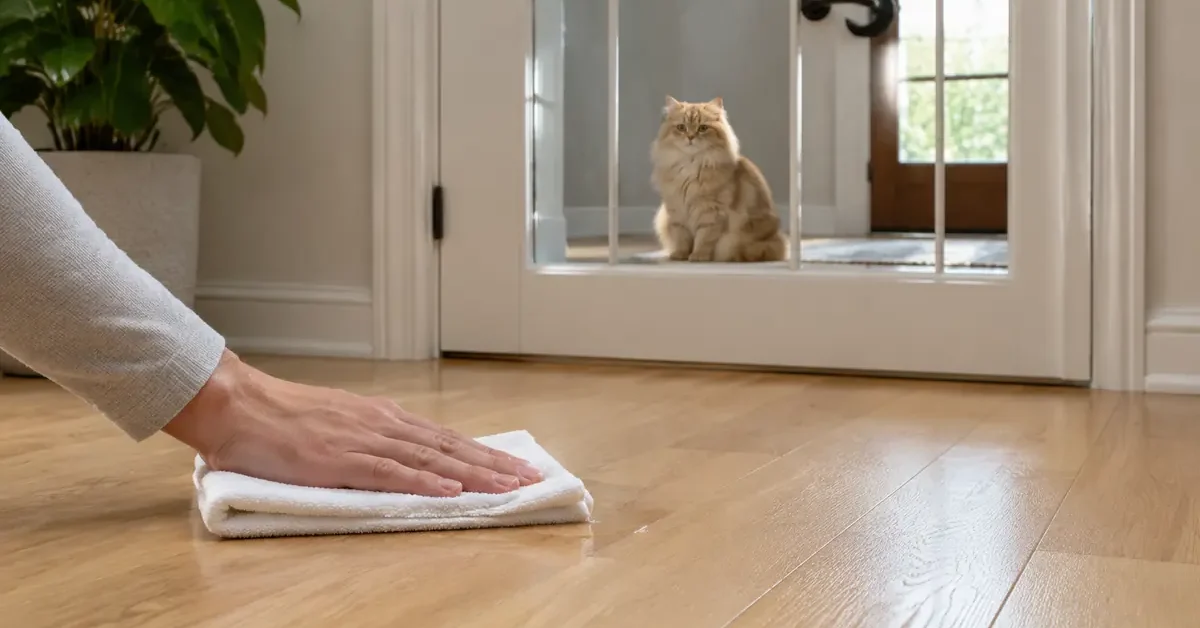
A conservative guide to cleaning fresh or dried cat urine from sealed hardwood while protecting the finish and knowing when to contact a flooring professional or veterinarian.
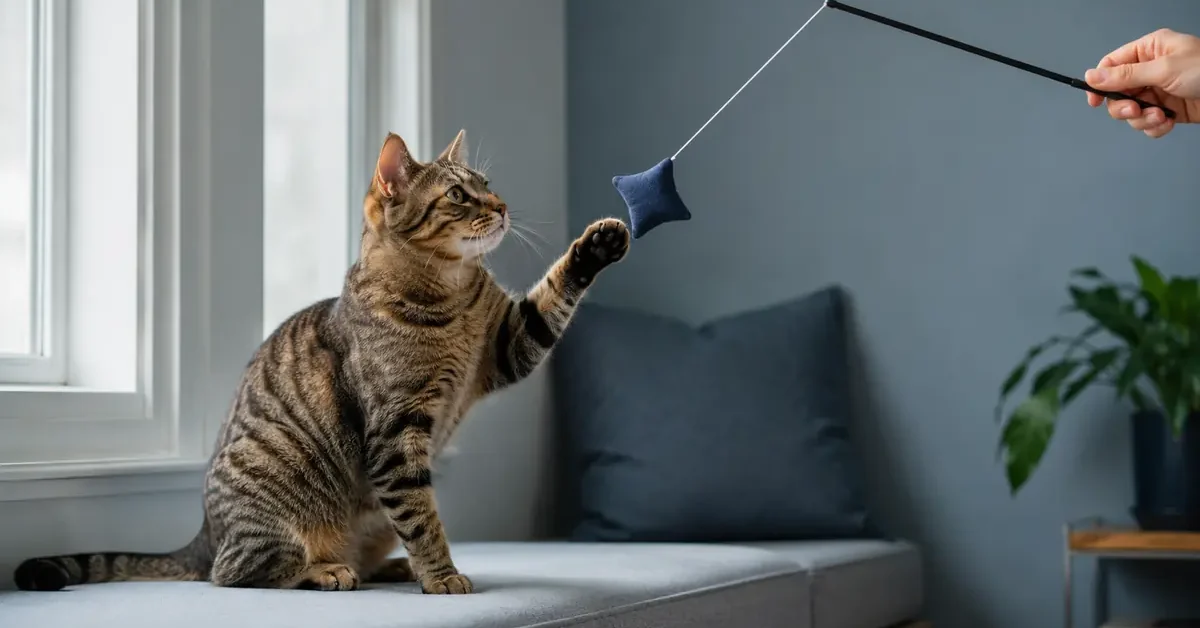
Loose string is not a safe standalone cat toy. Learn how attached-string wand toys differ, how to reduce play risks, and what to do after suspected ingestion or entanglement.
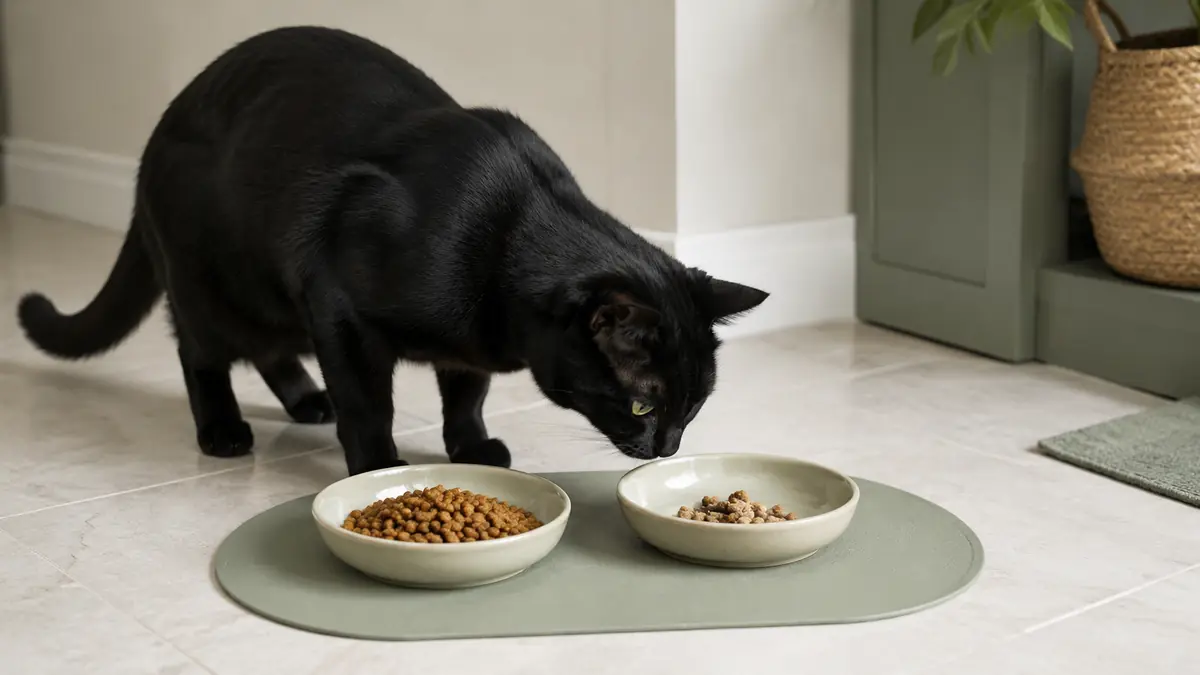
Switching a cat to a new food is safer when the pace follows the cat’s response. Learn how to measure each food, protect adequate intake, handle refusal, and recognize signs that need veterinary care.
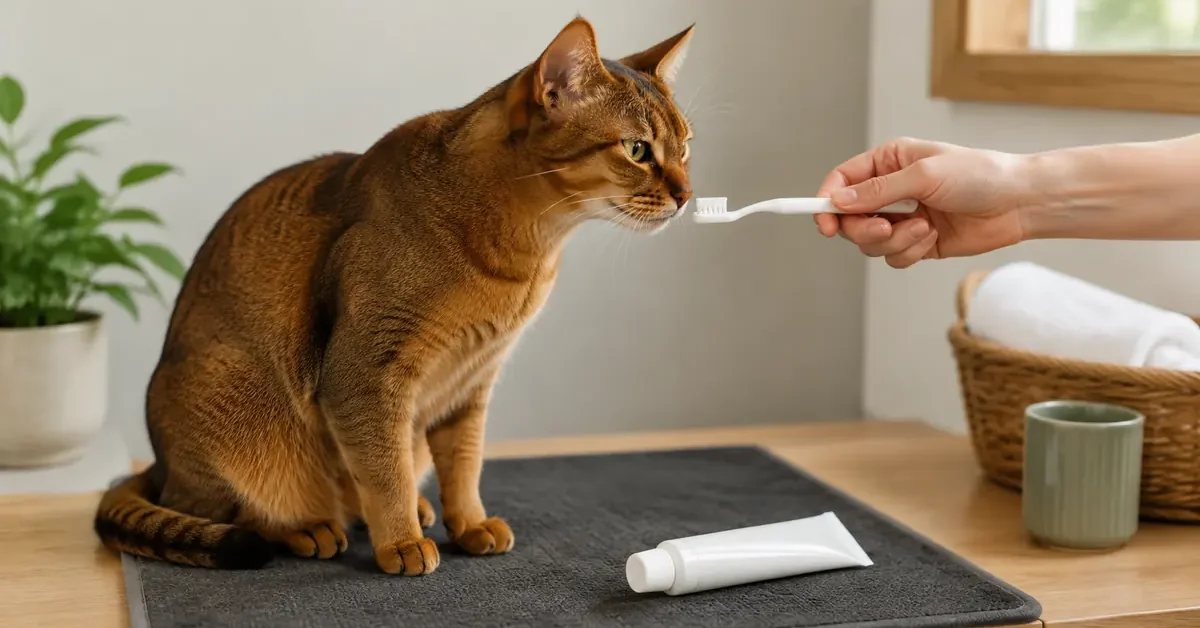
Learn how to introduce toothbrushing gradually, use cat-safe products, brush the outer tooth surfaces gently, and recognize when your cat needs veterinary dental care.
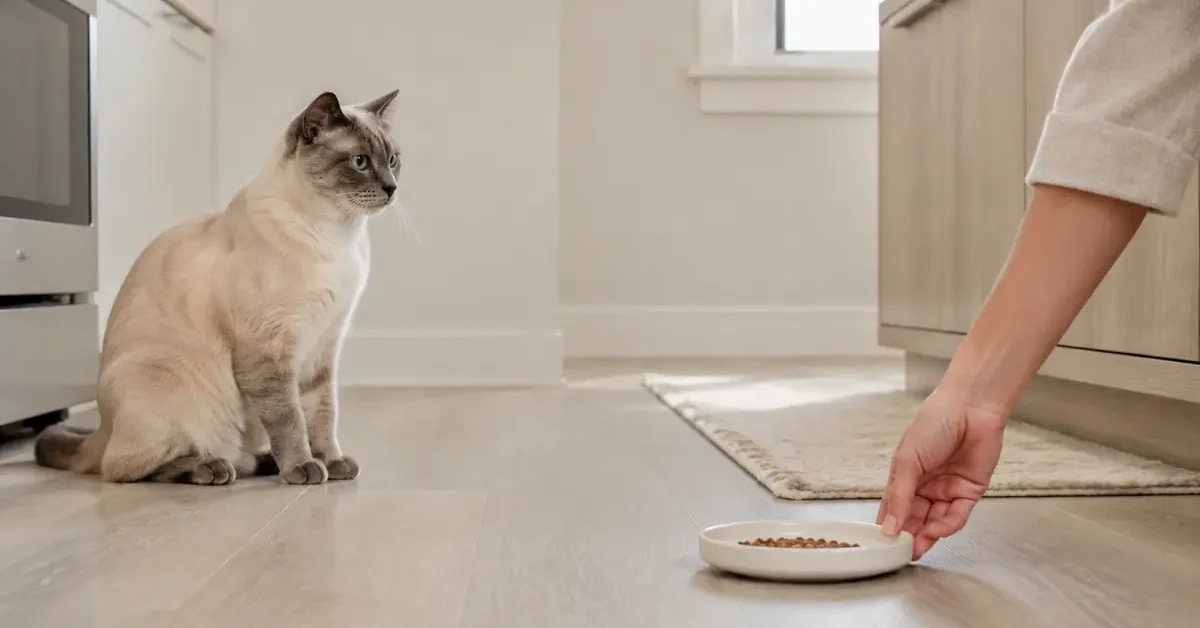
There is no single feeding frequency that suits every cat. Use practical life-stage starting points and adjust the routine around intake, health, food type, and household access.
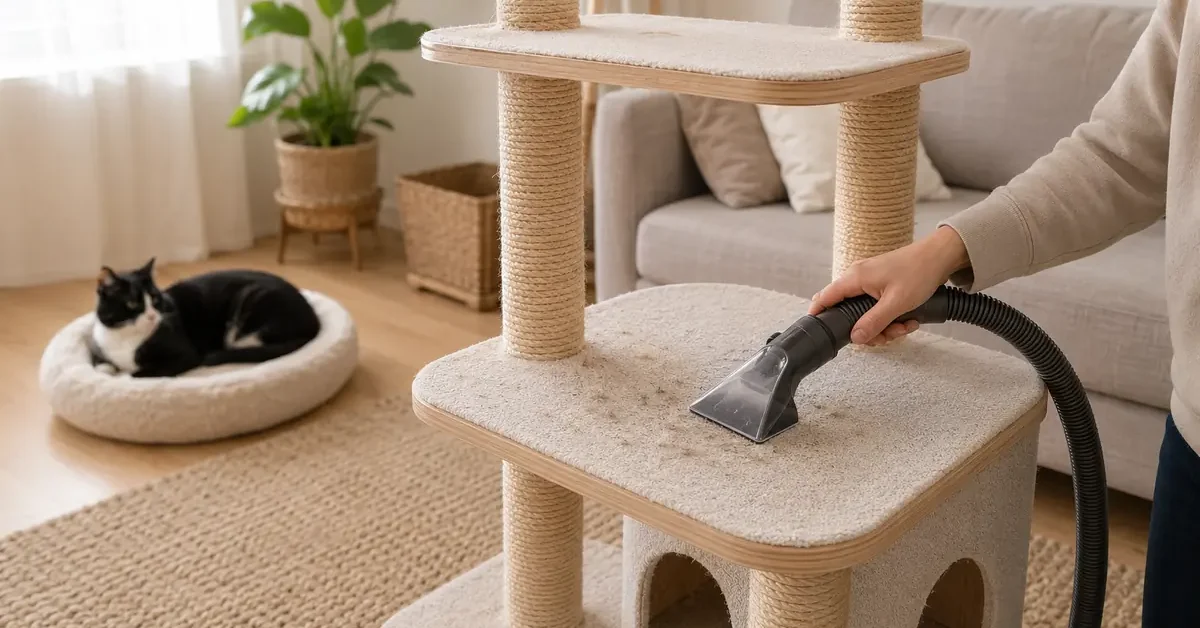
Learn how to clean a cat tree safely, from removing hair and debris to cleaning different materials, drying every component, and recognizing when contamination or damage requires another solution.
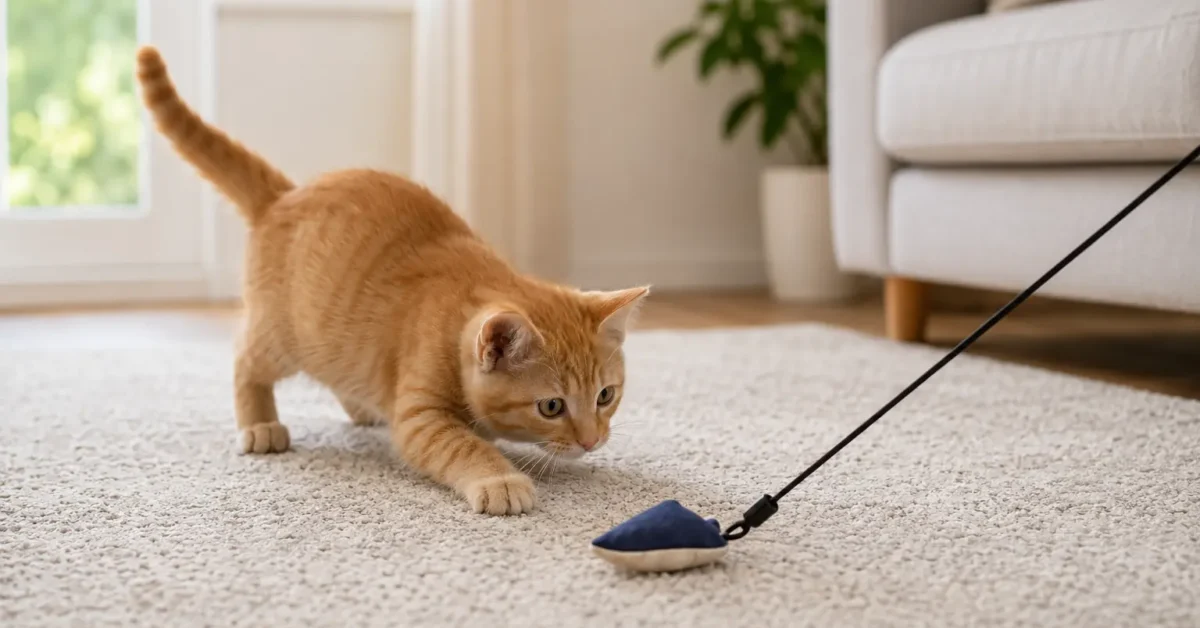
Play with your kitten safely using a simple toy mix, prey-style movement, successful catches, calm hand-and-foot boundaries, solo-play options, and clear cues for pausing or ending the game.
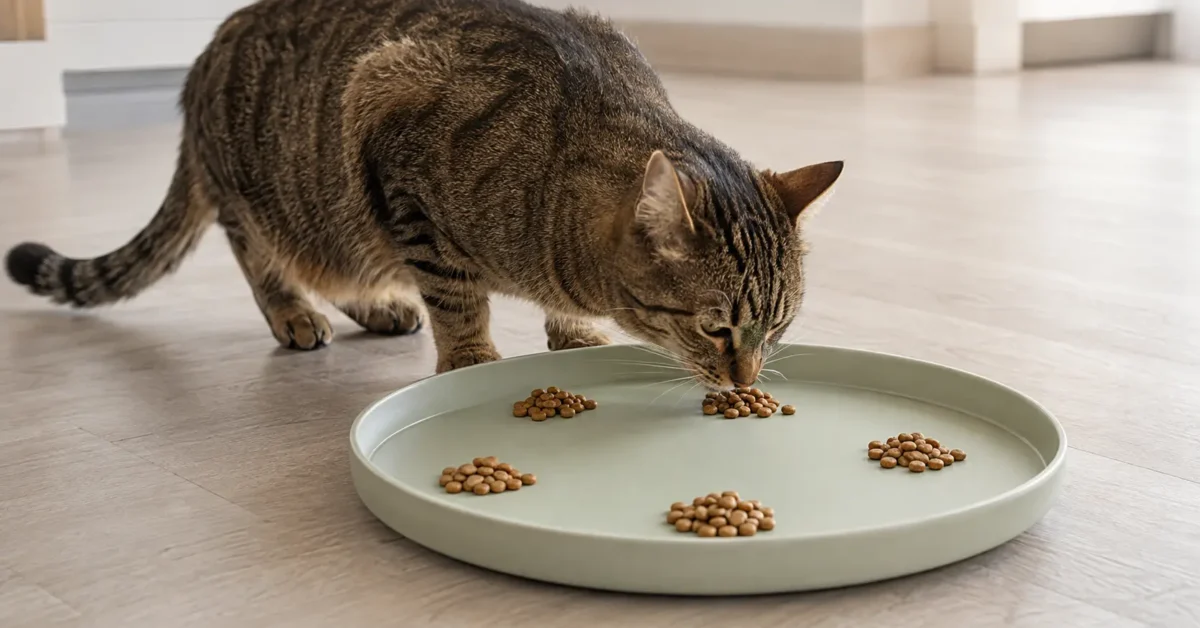
Measure your cat’s complete food allowance, remove feeding competition, and test accessible ways to slow eating without restricting intake.