
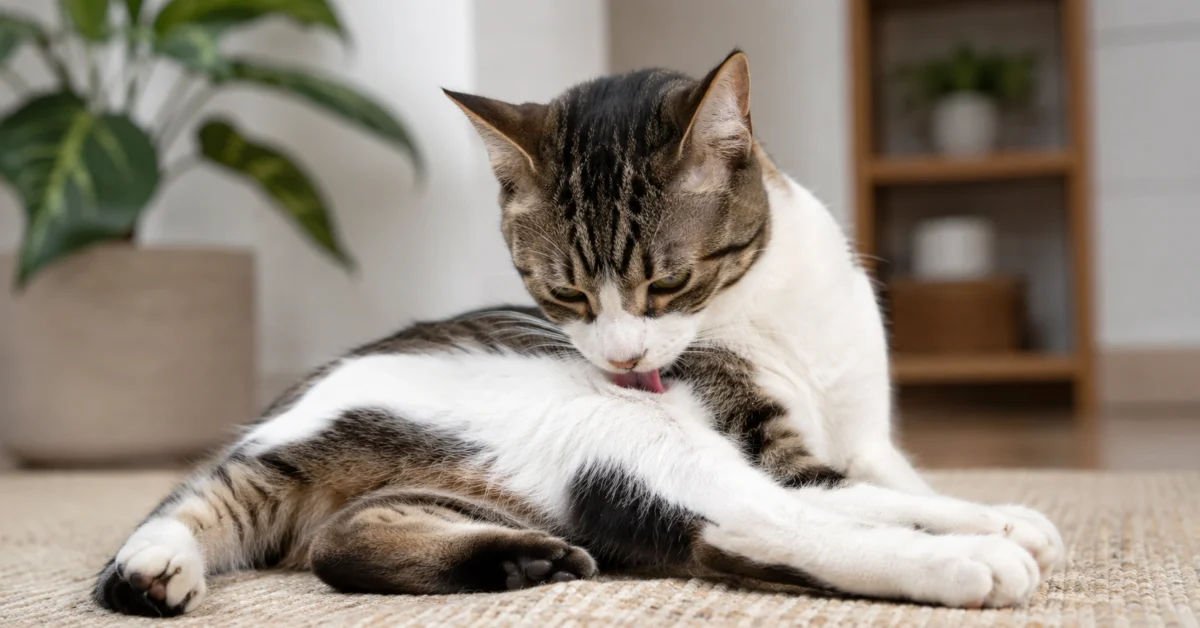
Why Is My Cat Overgrooming?
A cat may overgroom because of stress, skin irritation, pain, parasites, or allergies. Learn what to check, how to reduce stress, and when to contact a vet.
A cat may overgroom because of stress, skin irritation, pain, parasites, or allergies. Learn what to check, how to reduce stress, and when to contact a vet.
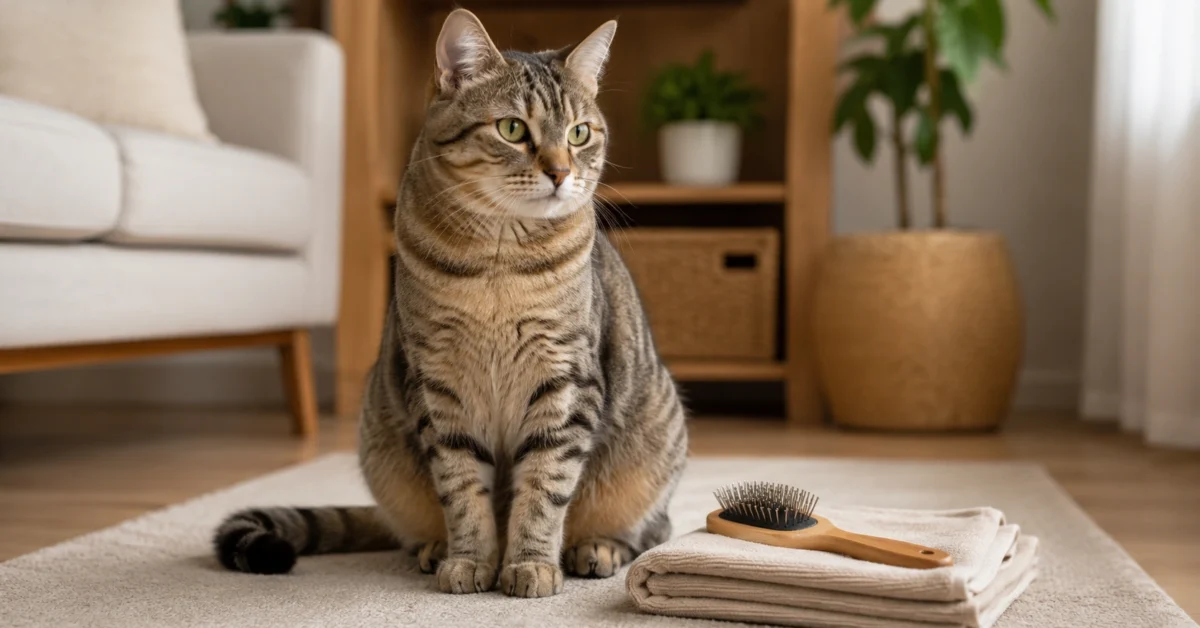
Cat dandruff may be linked to dry skin, grooming difficulties, weight, parasites, allergies, or an underlying health issue. Learn what to check and when veterinary advice may be needed.
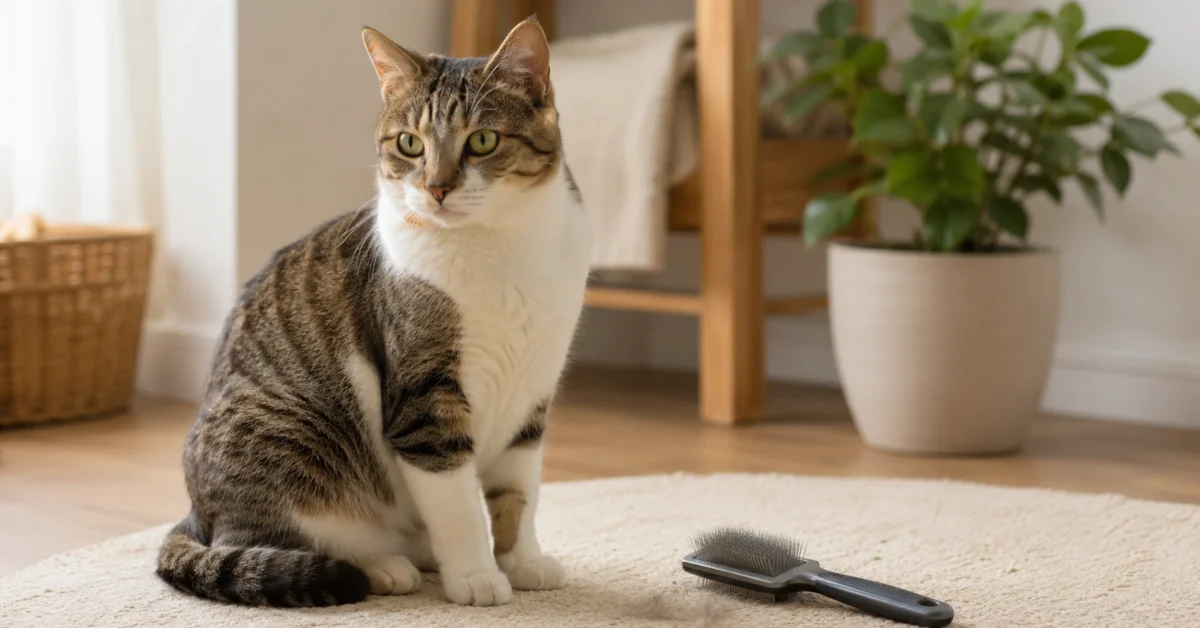
Cats may shed more because of seasonal changes, stress, diet, grooming habits, or skin problems. Learn what is normal, what to check, and when to contact a vet.
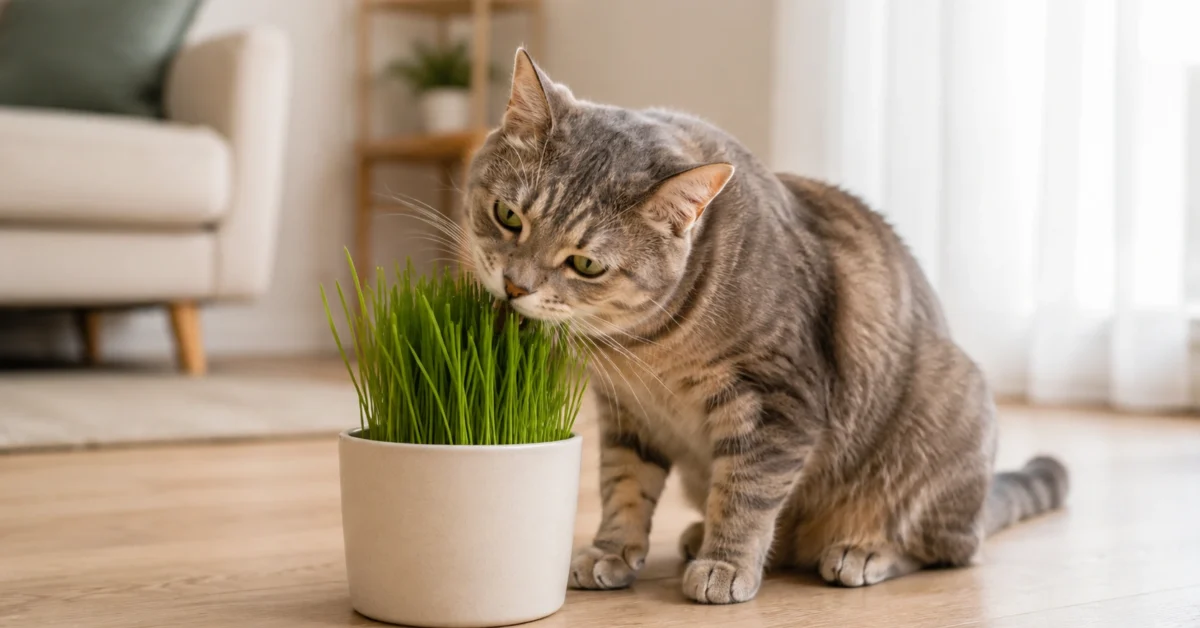
Cats may eat grass because they enjoy the texture, are curious, want something to chew, or are following a natural instinct. Learn when grass eating is harmless and when it may need veterinary attention.
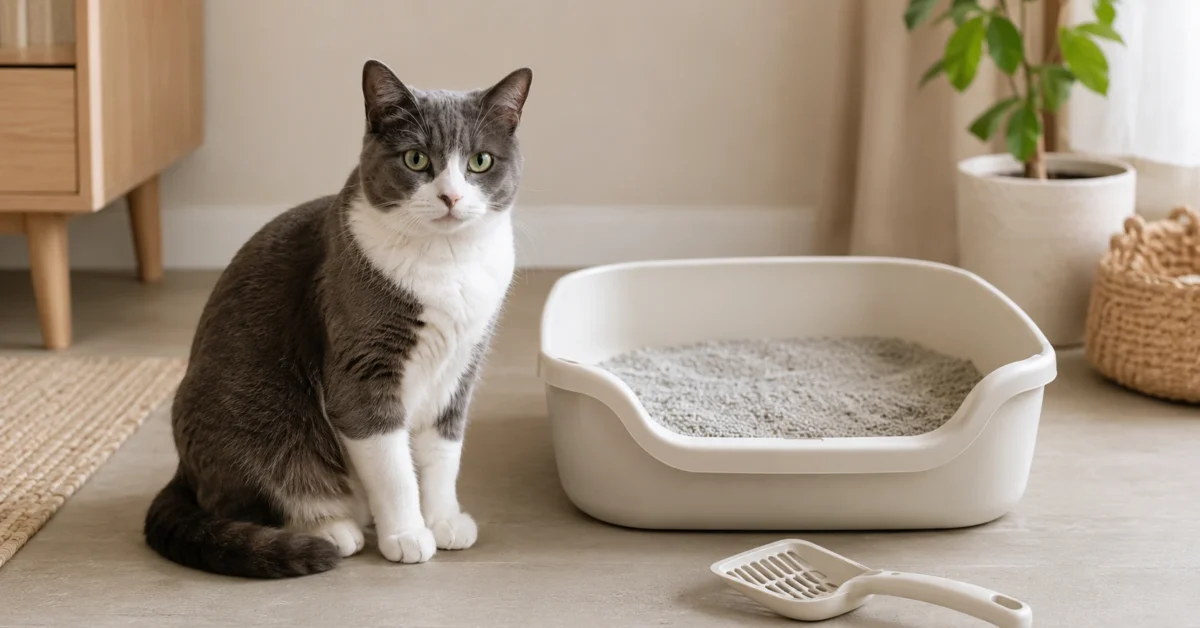
A clean litter box helps keep your cat comfortable and encourages good litter box habits. Learn how often to scoop, replace the litter, and clean the box properly.
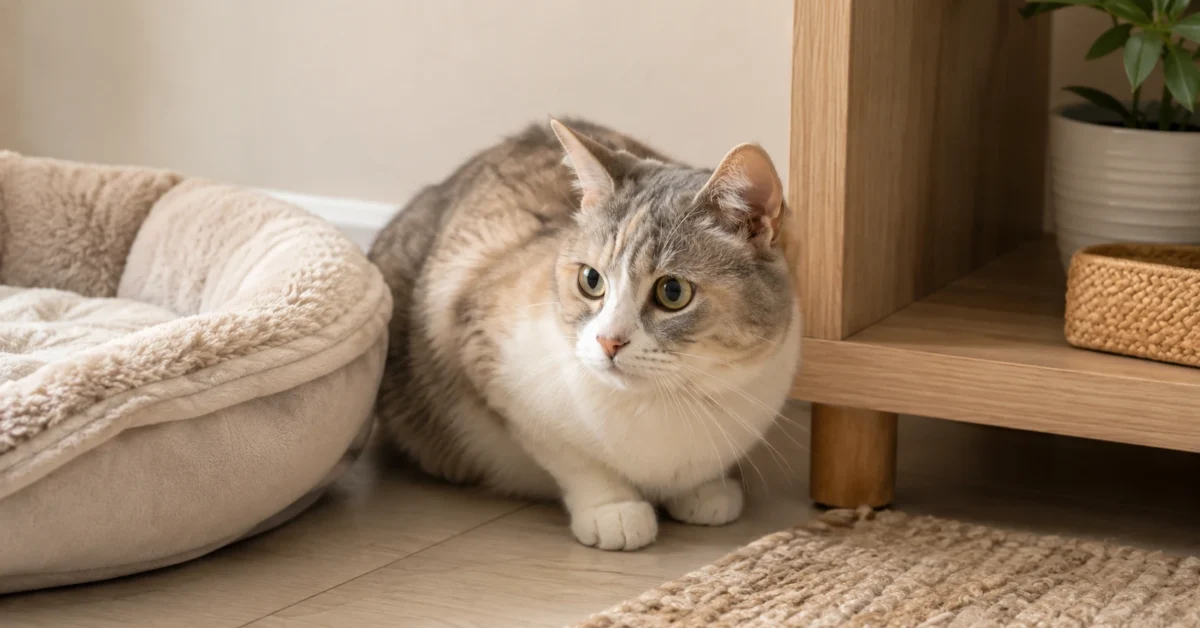
A nervous cat needs calm routines, safe hiding places, and gentle handling. Learn how to help your cat feel safer at home without forcing interaction too quickly.

Cats may show stress through hiding, overgrooming, appetite changes, aggression, or litter box problems. Learn the signs to watch for and when to get extra help.

Cats may chew cords because of boredom, teething, curiosity, stress, or a need for stimulation. Learn why this behavior happens, how to protect your cat from electrical hazards, and safer ways to redirect the chewing.

Cats may seem constantly hungry because of feeding habits, boredom, competition, medication, or an underlying health issue. Learn what can cause increased appetite, what to watch for, and when to contact your veterinarian.

Indoor cats need regular play, variety, climbing opportunities, and chances to use their natural hunting instincts. Learn practical ways to prevent boredom and keep your cat active, curious, and mentally stimulated at home.