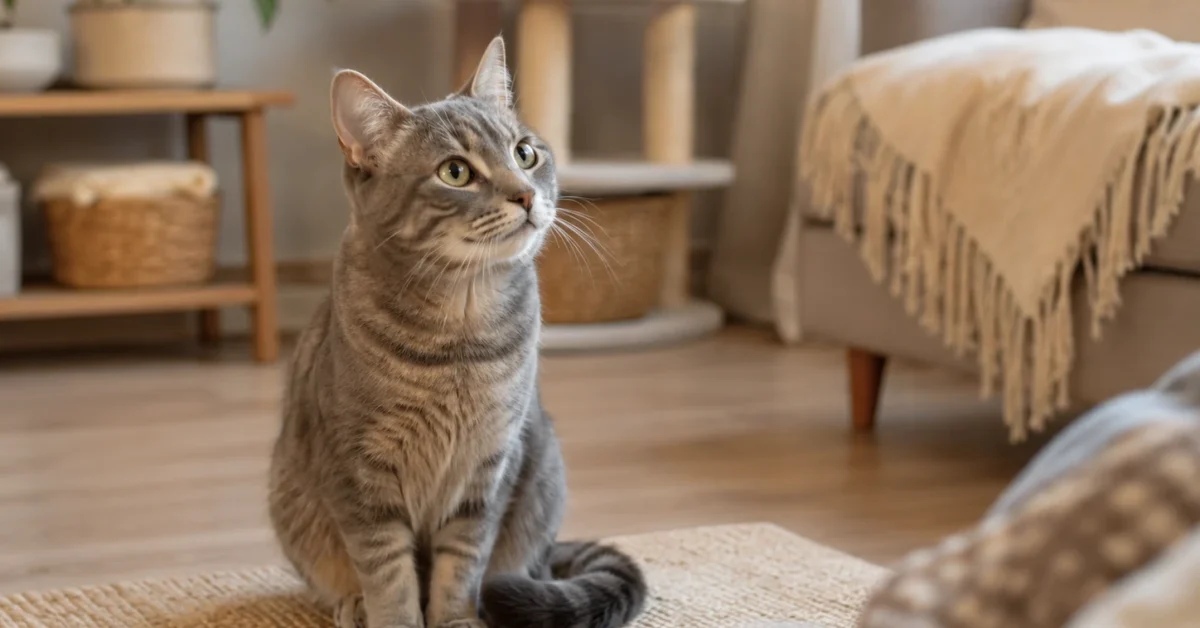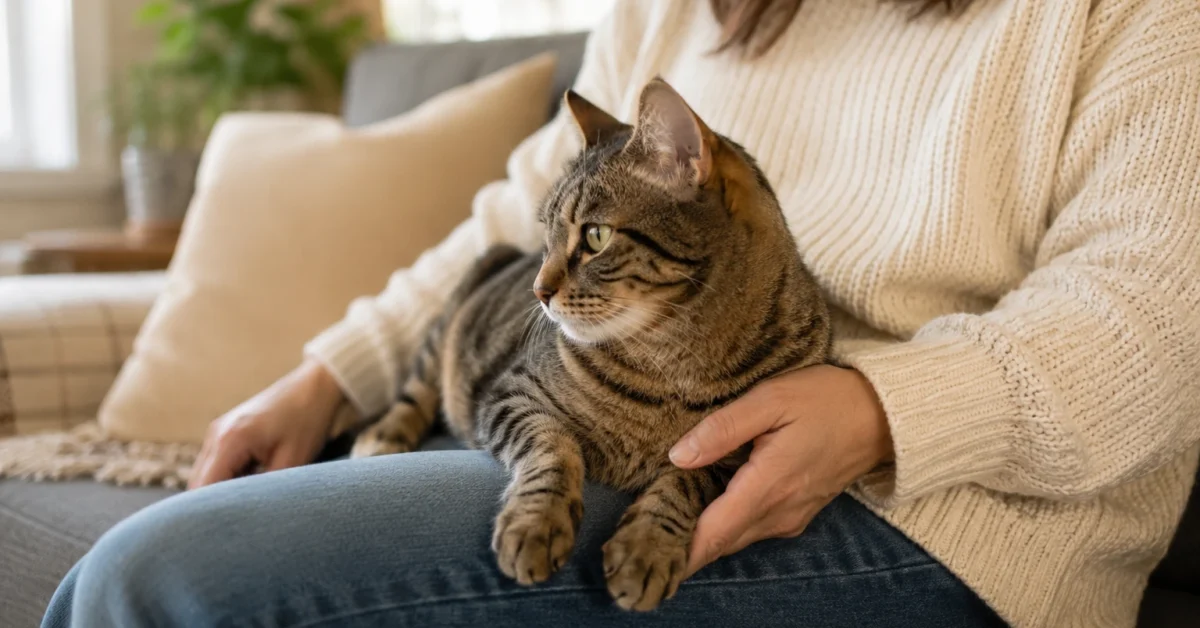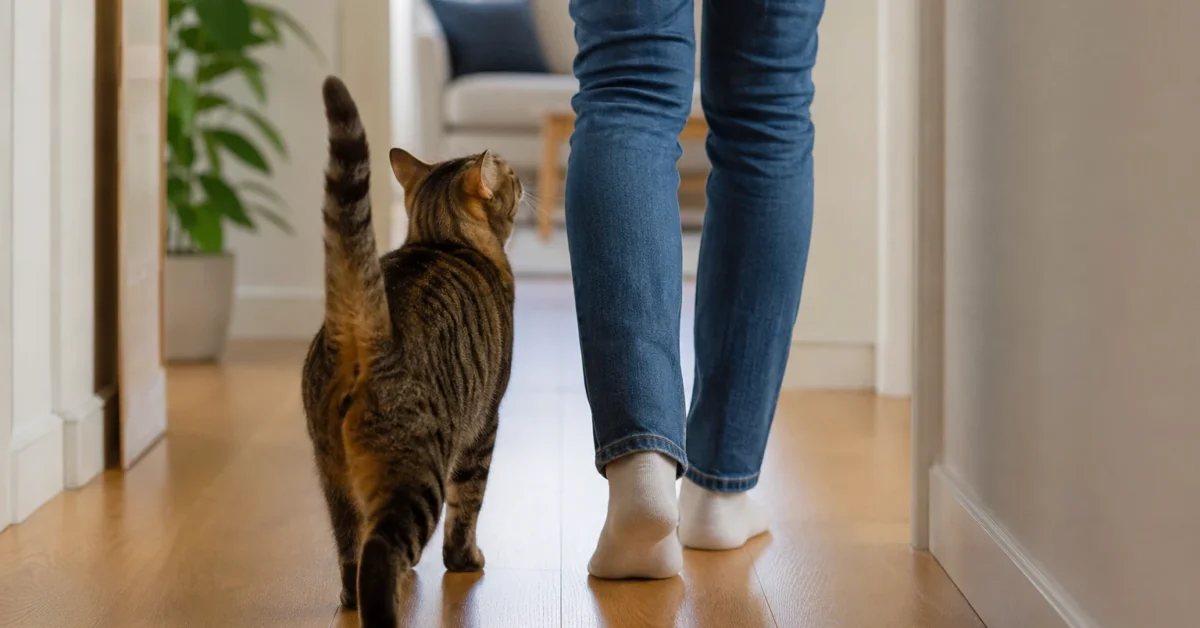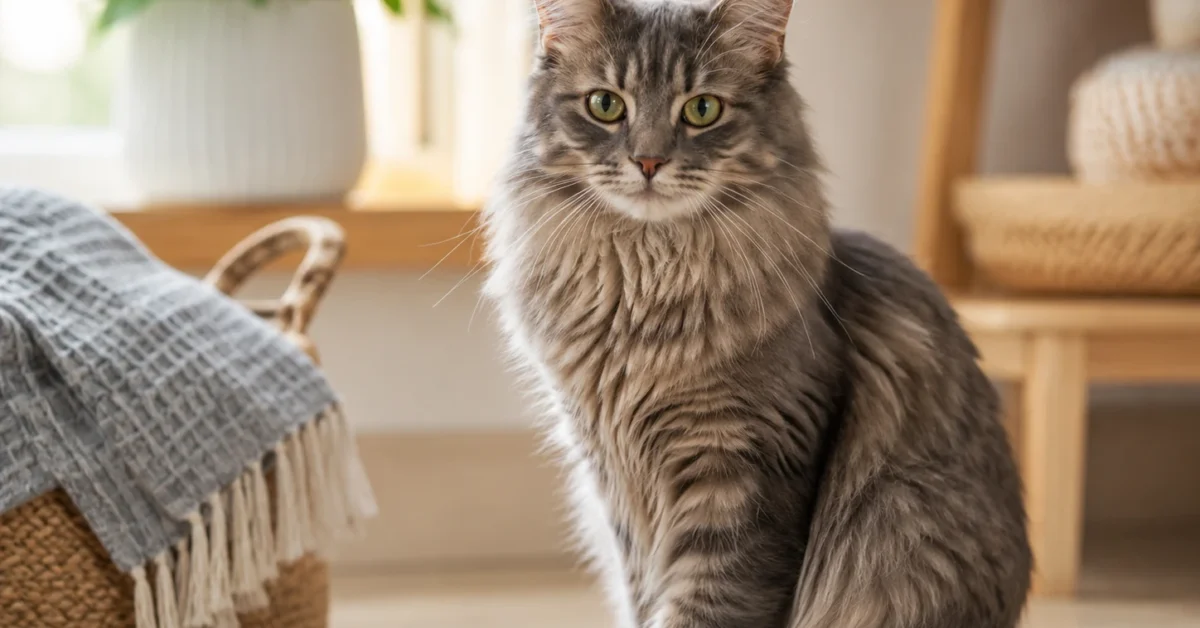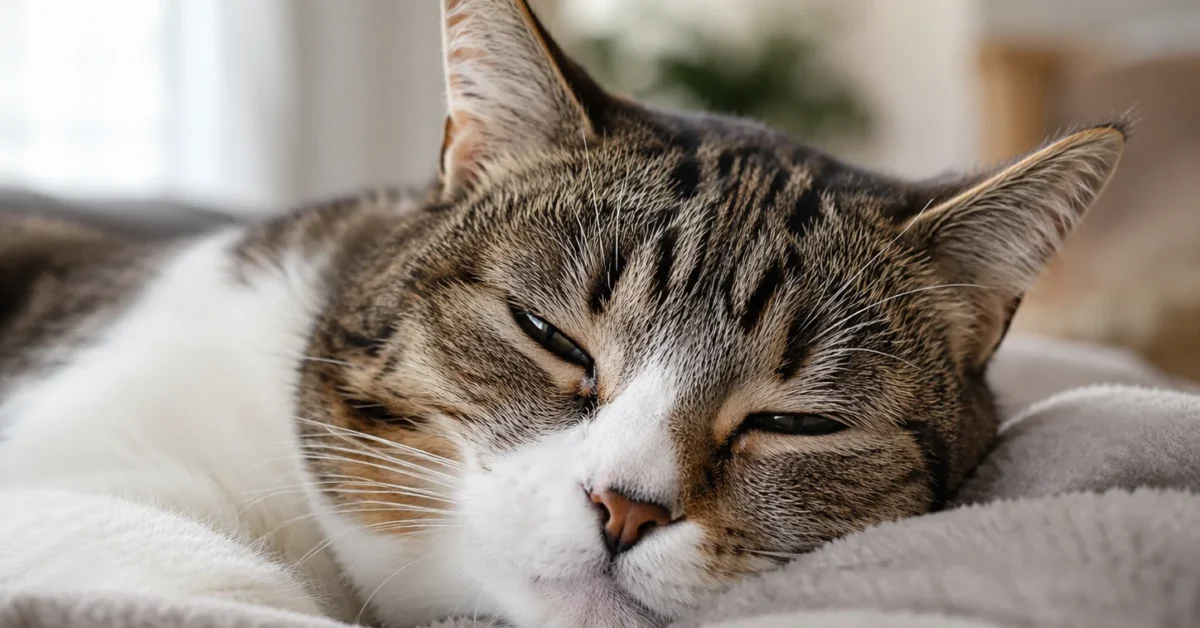
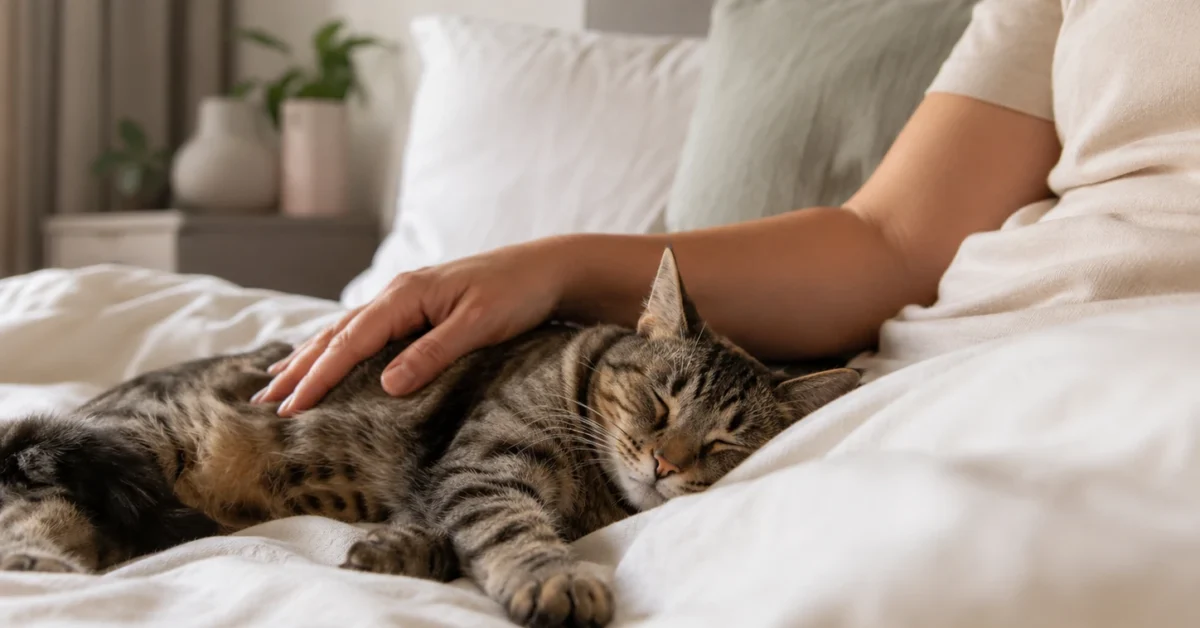
Why Does My Cat Lick Me Then Bite?
Cats may lick you then bite because of overstimulation, playful behavior, affection, or mixed signals. Learn what it means and how to respond calmly.
Mother cats may chew their kittens’ whiskers because of stress, overgrooming, or strong maternal behavior. Learn what it can mean, when it is normal, and when to watch more closely.
Why Do Mother Cats Chew Off Their Kittens’ Whiskers? Read More »
Learn why cats squeak, what different squeaks may mean, and how context, body language, age, and personality can help you understand your cat’s vocalizations.
Understanding Your Cat’s Squeaks: A Guide to Feline Vocalizations Read More »
Learn how to encourage good cat behaviors using positive reinforcement, consistent routines, clear boundaries, and a cat-friendly environment. This practical guide explains how to build better habits while avoiding fear, punishment, and unnecessary confusion.
Learn why cats may try to leave home, what increases the risk of roaming, and how secure routines, identification, enrichment, and careful introductions can help keep them safe.
A cat may stop grooming because of pain, illness, stress, reduced mobility, dental problems, or changes linked to aging. Learn what to look for, how to help safely, and when to contact your veterinarian.