
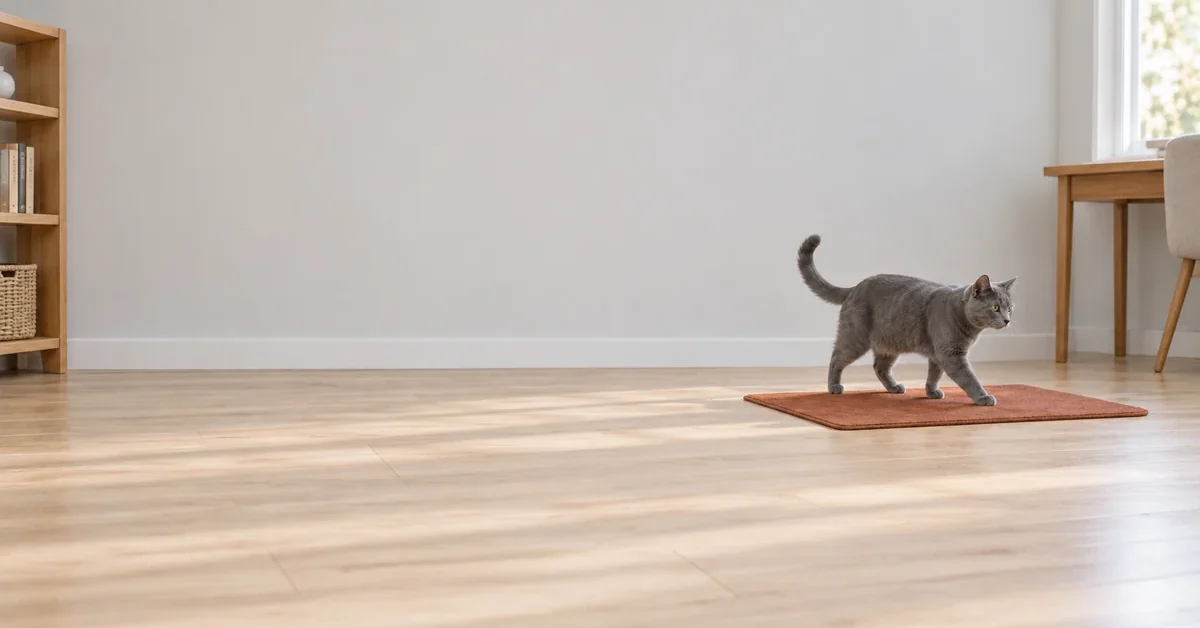
How to Teach Your Cat to Go to a Mat
Help your cat learn a portable mat cue through voluntary approaches, well-placed rewards, a clear release, and gradual practice with distance and new rooms.
Help your cat learn a portable mat cue through voluntary approaches, well-placed rewards, a clear release, and gradual practice with distance and new rooms.
Separate practice can give each cat a clearer learning opportunity. Organize the room, rewards and changeovers around every cat’s comfort.
How to Train Cats Separately in a Multi-Cat Home Read More »

Hissing after a vet visit can reflect unfamiliar cues, tension, or discomfort. Learn how to protect recovery, separate cats safely, and recognize when veterinary help comes first.
Why Does My Cat Hiss at My Other Cat After a Vet Visit? Read More »
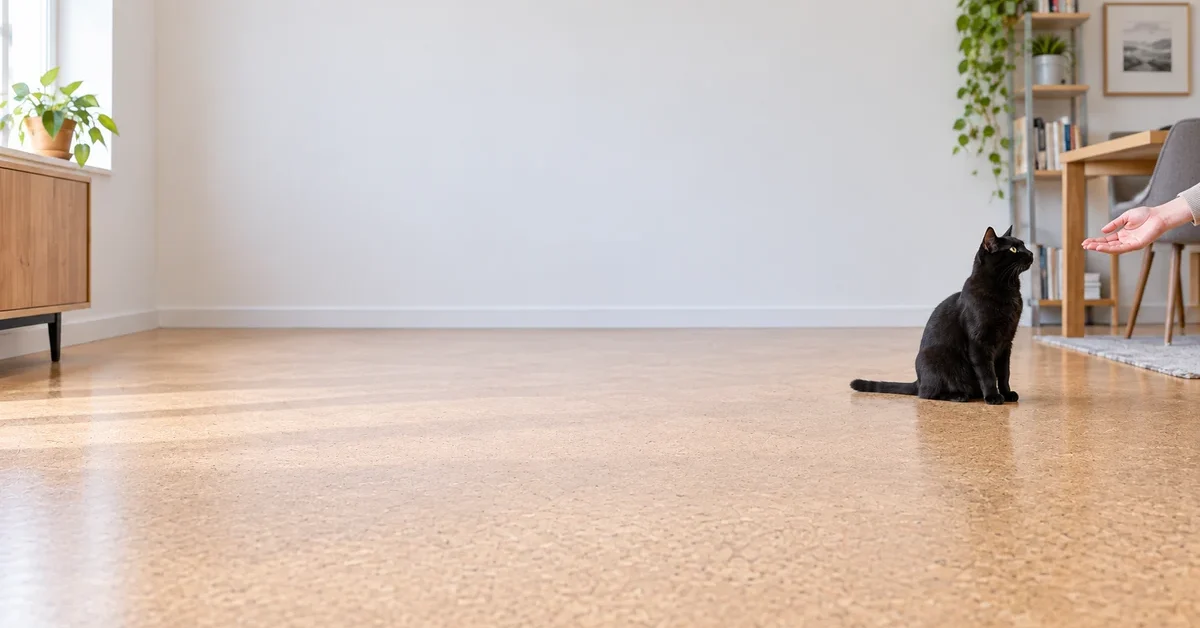
Teach a comfortable, voluntary sit with capturing or gentle luring, clear reward timing, gradual lure fading, and a consistent cue. Learn how to handle common setbacks without pressure.
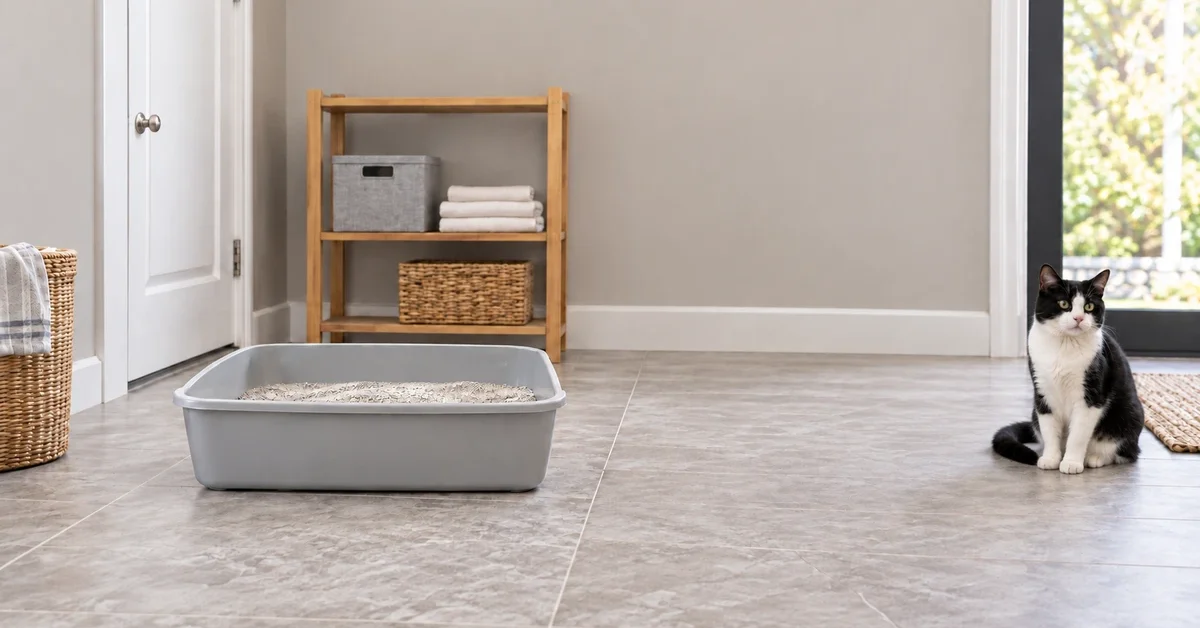
Litter eating needs an individualized response. Learn how to describe what happened, seek veterinary advice, and keep a usable toilet while reducing further exposure.
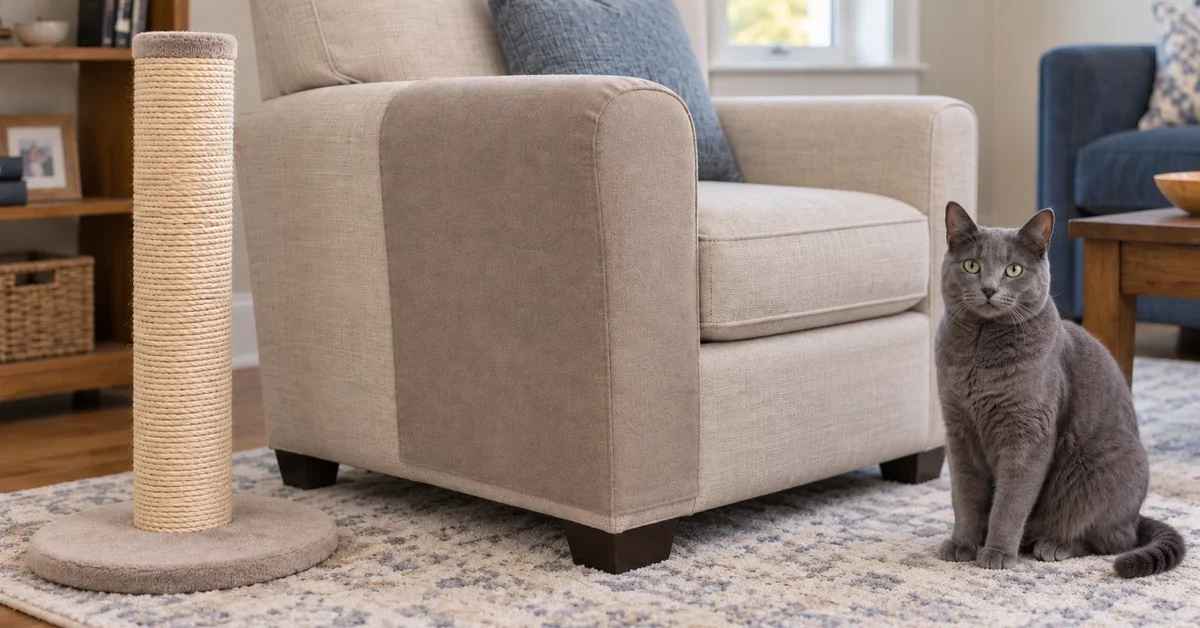
Choose furniture protection that fits the scratched area, respects your upholstery, and stays secure without loose edges or risky attachments.
How to Choose Furniture Protectors for Cat Scratching Read More »
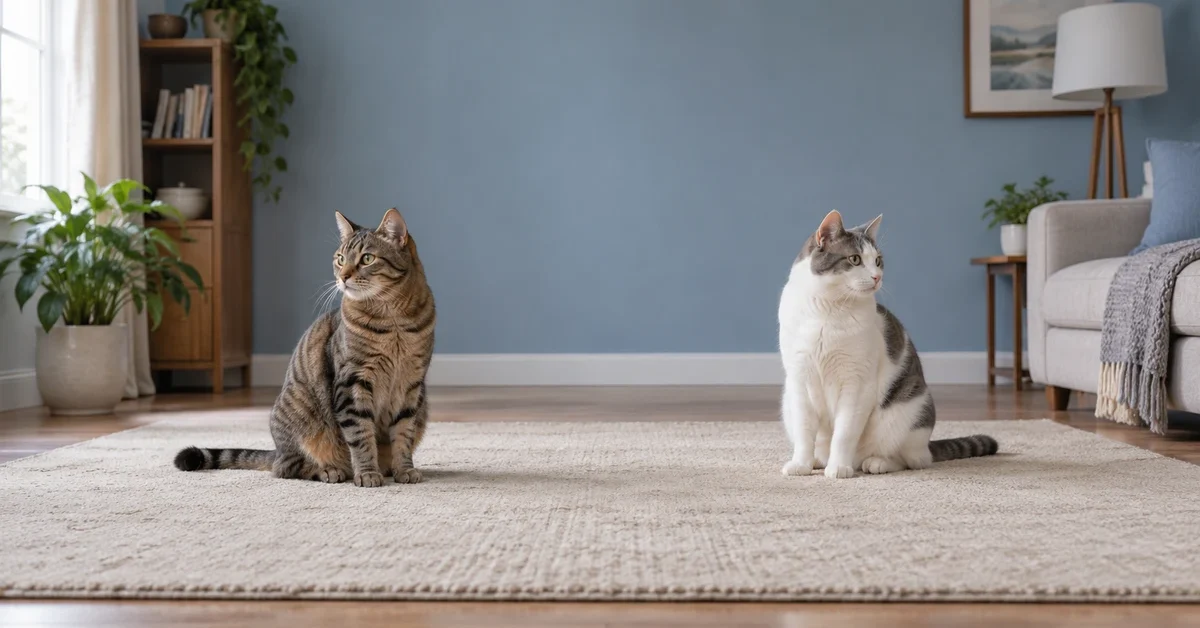
Look at the whole interaction to understand whether both cats are participating comfortably. Learn how to assess pauses, disengagement, recovery, ambiguous encounters, and signs that call for safe separation or professional help.
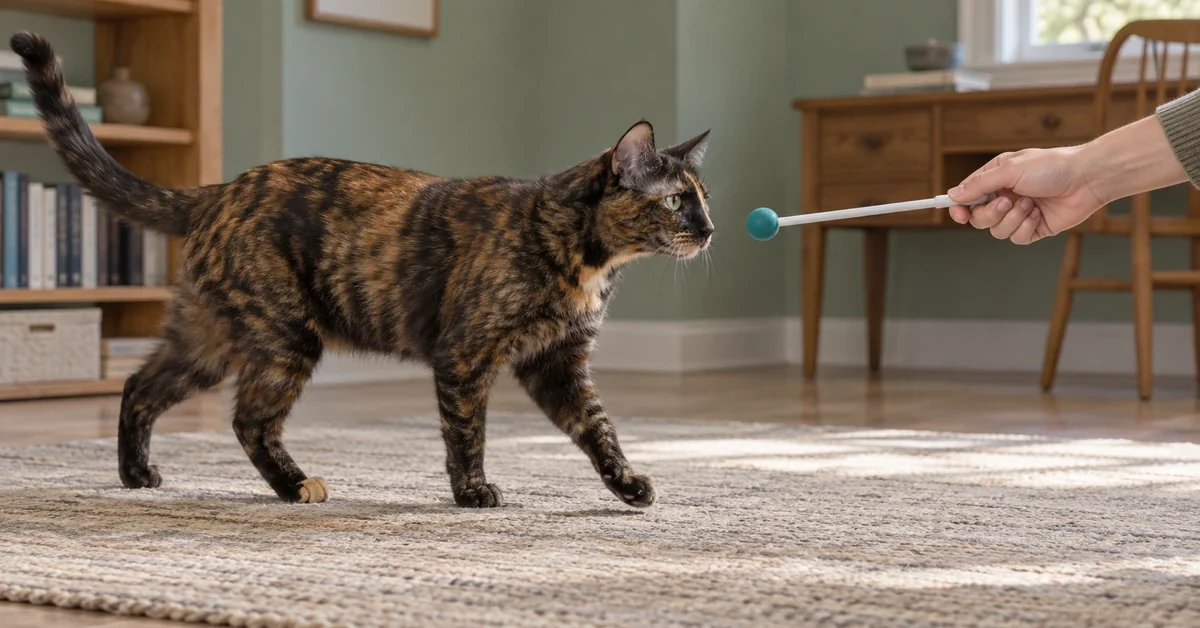
Help your cat turn a familiar nose touch into a useful movement skill. This guide covers short approaches, gradual distance, cues, new rooms, fading extra prompts, and troubleshooting while keeping participation voluntary.
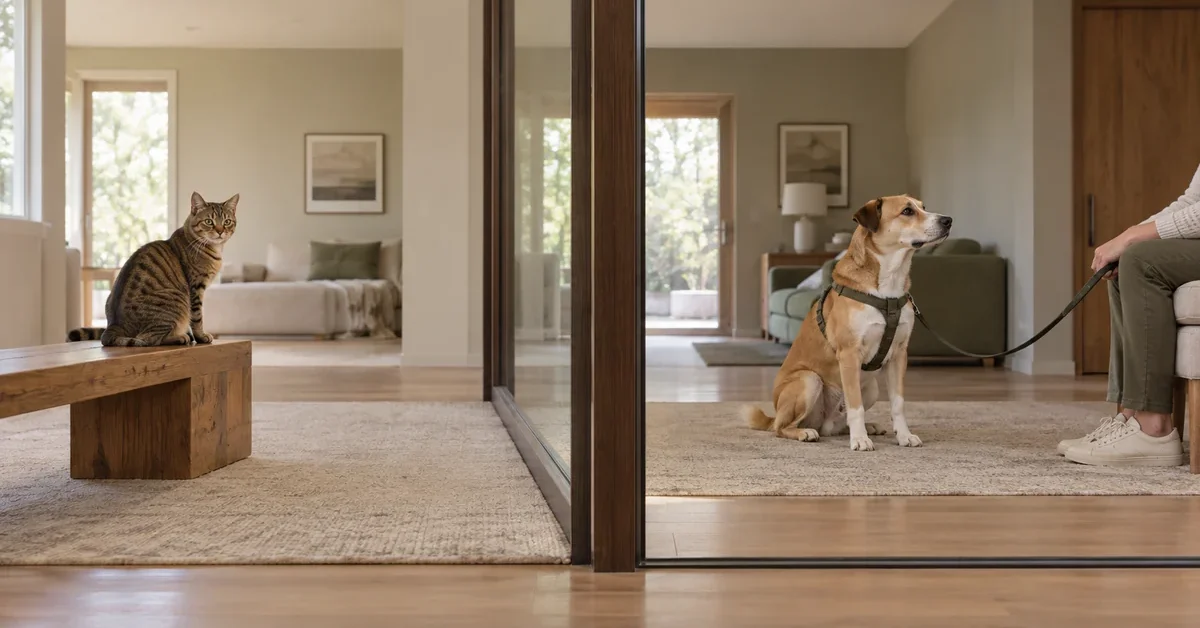
Plan a gradual cat–dog introduction around secure separation and both animals’ responses. Learn how to prepare, recognize progress, and know when to stop.
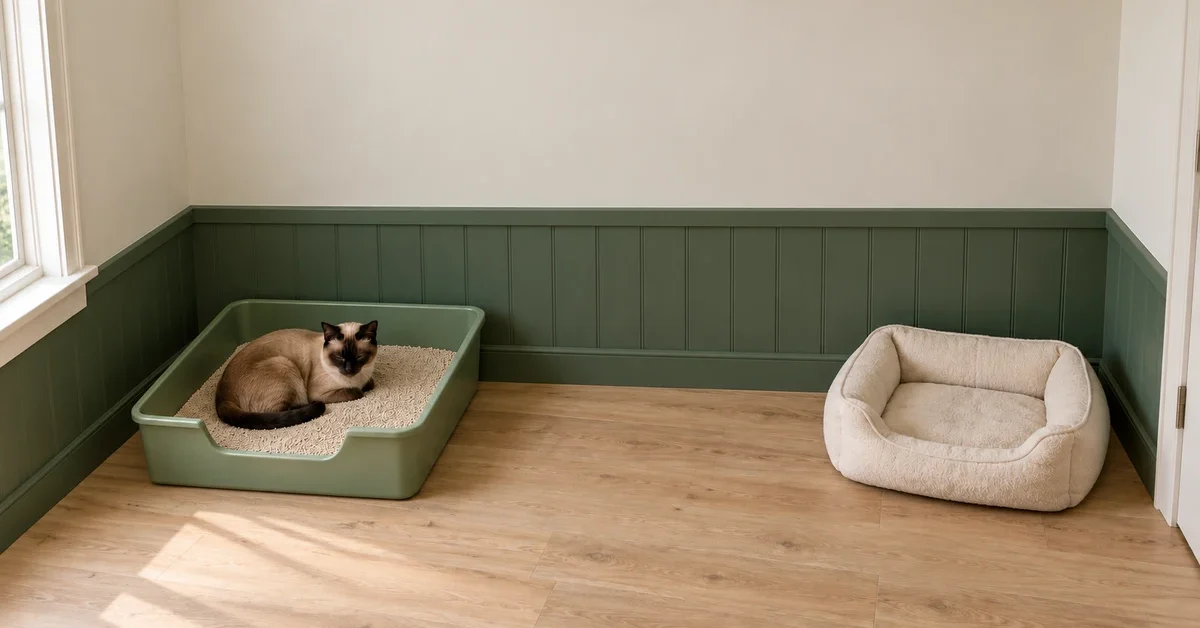
Sleeping in the litter box deserves attention, especially when it is new. Check for urinary difficulty first, then review your cat’s health, safe resting options, access, and hygiene.