
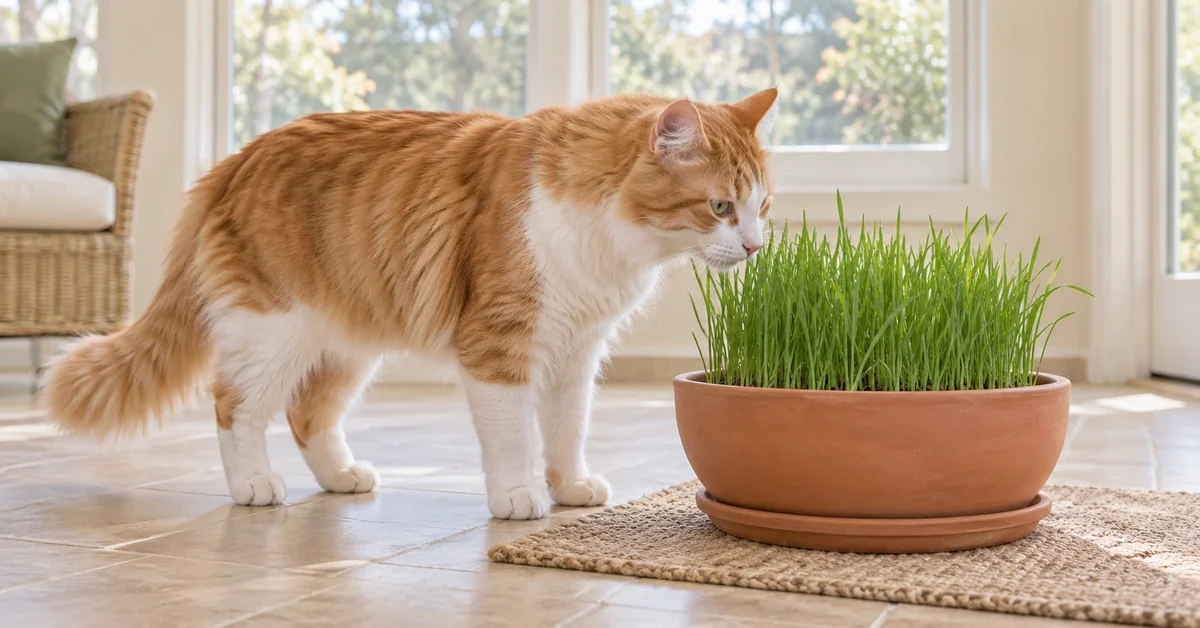
How to Grow Cat Grass Indoors
Grow a small pot of cat grass from identified seed, then keep it clean and manageable. This guide covers containers, sowing, light, watering, first access, mold, and replacing a tired planting.
Grow a small pot of cat grass from identified seed, then keep it clean and manageable. This guide covers containers, sowing, light, watering, first access, mold, and replacing a tired planting.
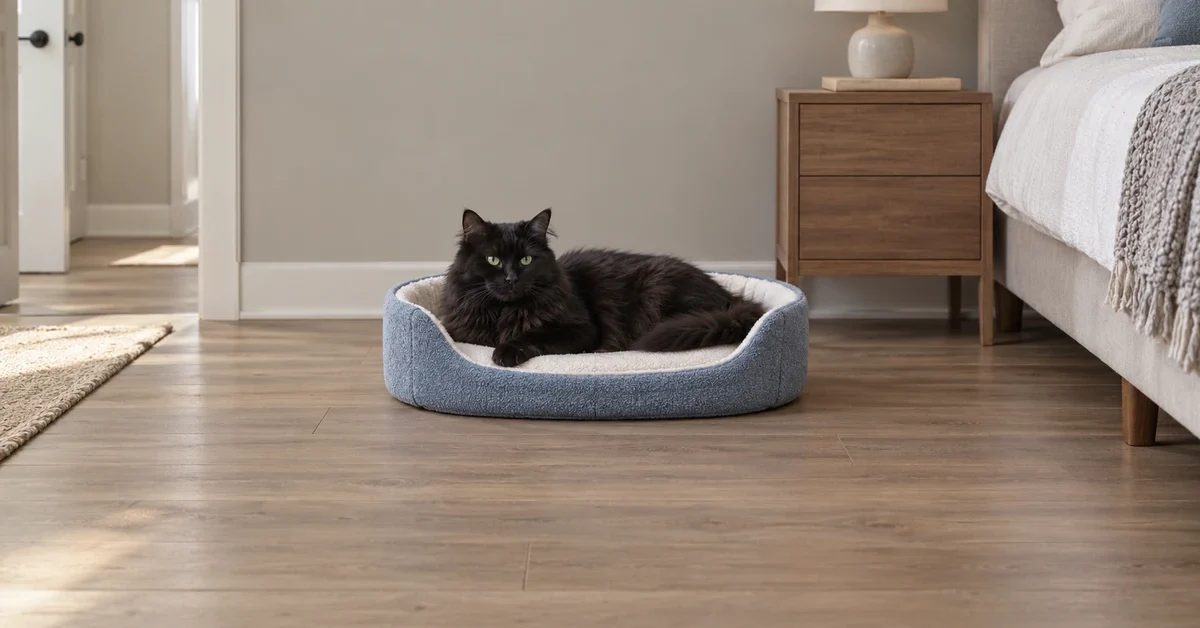
Match an ordinary cat bed to the way your cat already rests. Compare open and enclosed designs, usable space, entry height, materials, cleaning needs, placement, and a gentle introduction.

Look at the whole interaction to understand whether both cats are participating comfortably. Learn how to assess pauses, disengagement, recovery, ambiguous encounters, and signs that call for safe separation or professional help.

Decide whether a catio fits your cat and home. Compare enclosure options, plan voluntary access and an indoor retreat, and understand the weather, supervision, and maintenance checks the space will need.

Help your cat turn a familiar nose touch into a useful movement skill. This guide covers short approaches, gradual distance, cues, new rooms, fading extra prompts, and troubleshooting while keeping participation voluntary.
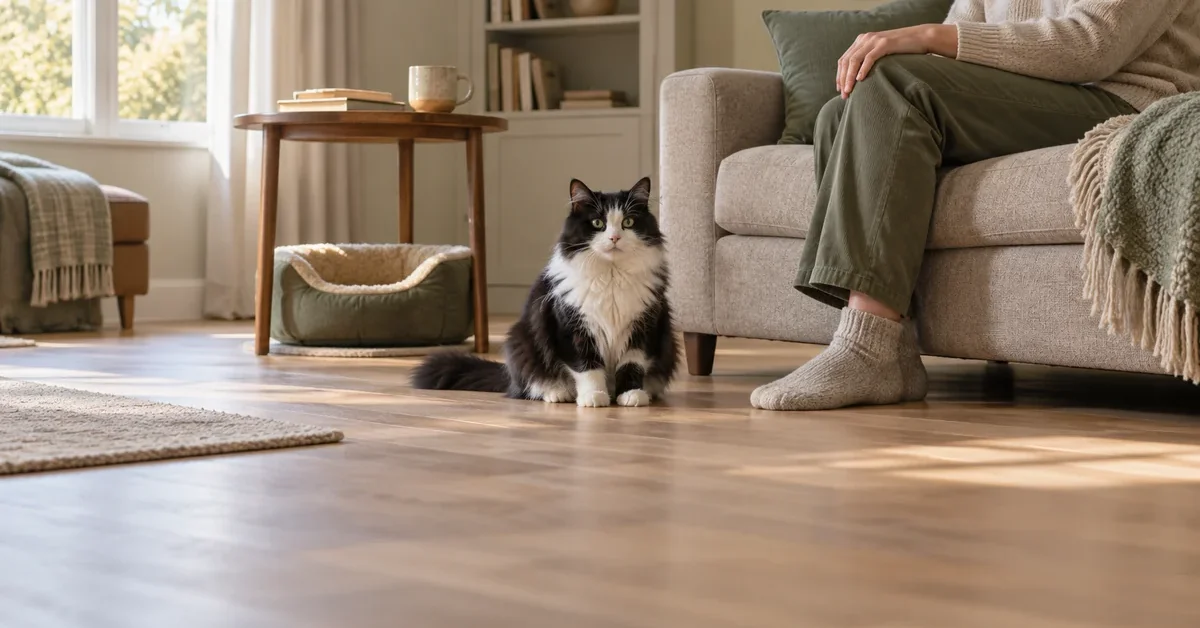
Compare care at home with boarding, check what each provider actually offers, and prepare a practical handoff and backup plan for your cat.
Cat Sitter or Boarding: Which Is Better for Your Cat? Read More »
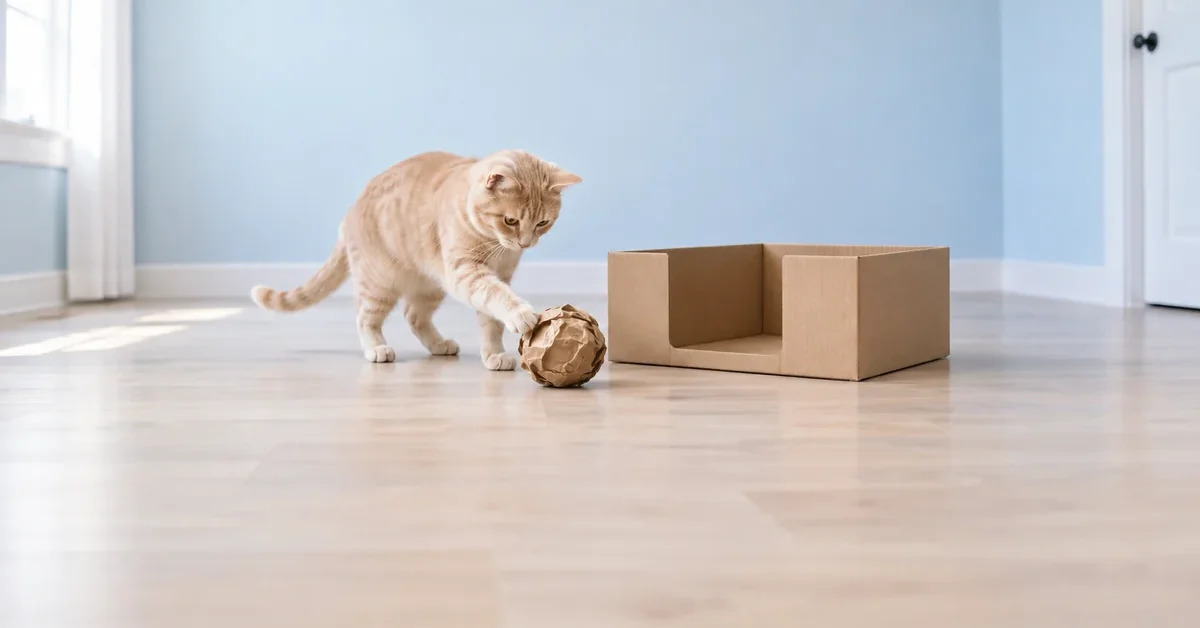
Make a paper ball, prepare a handle-free paper bag, or adapt one cardboard box for play. Check the materials, supervise use, and retire damage promptly.
How to Make Simple Cat Toys From Cardboard and Paper Read More »
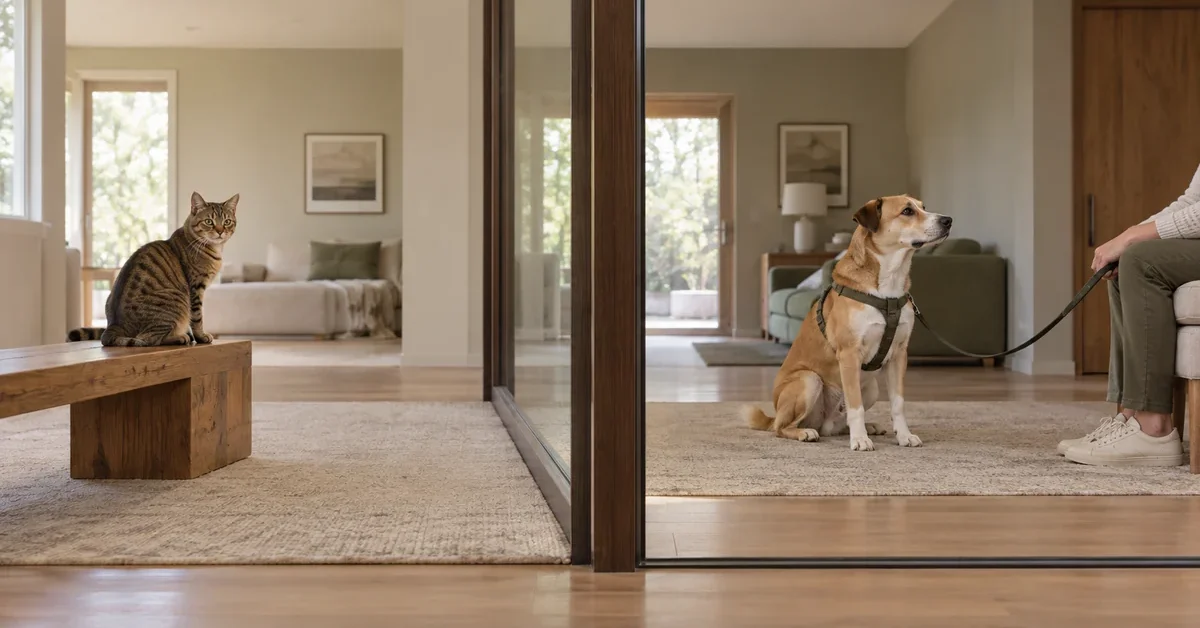
Plan a gradual cat–dog introduction around secure separation and both animals’ responses. Learn how to prepare, recognize progress, and know when to stop.
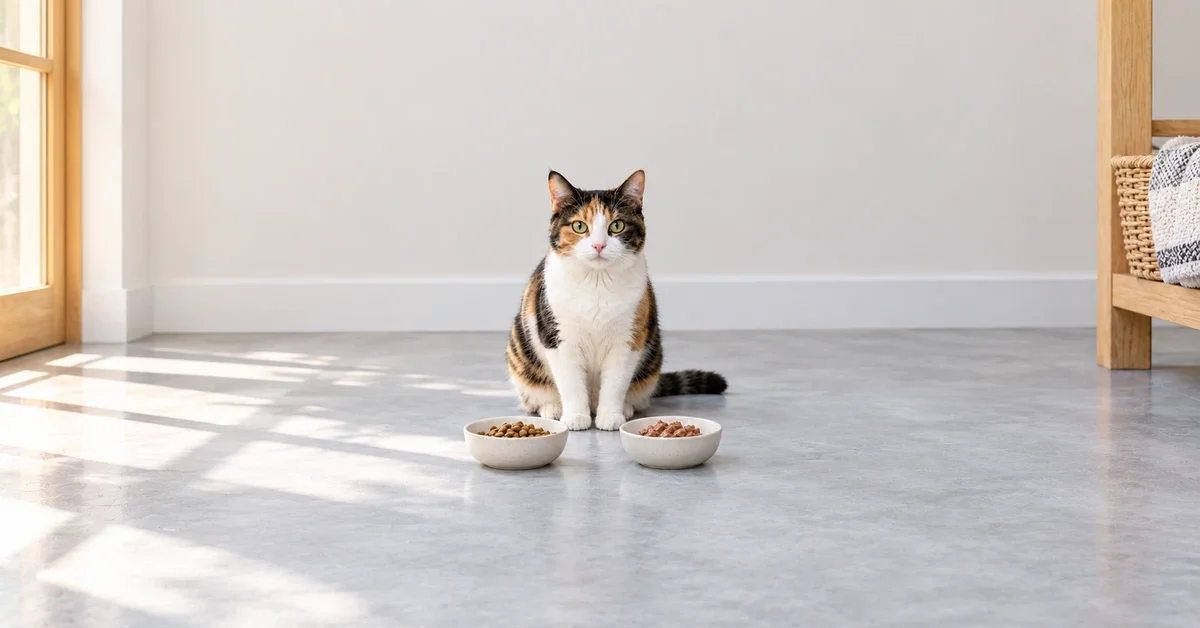
Wet, dry, or a measured combination can suit different cats. Compare the practical trade-offs and build a feeding routine around complete nutrition and normal intake.
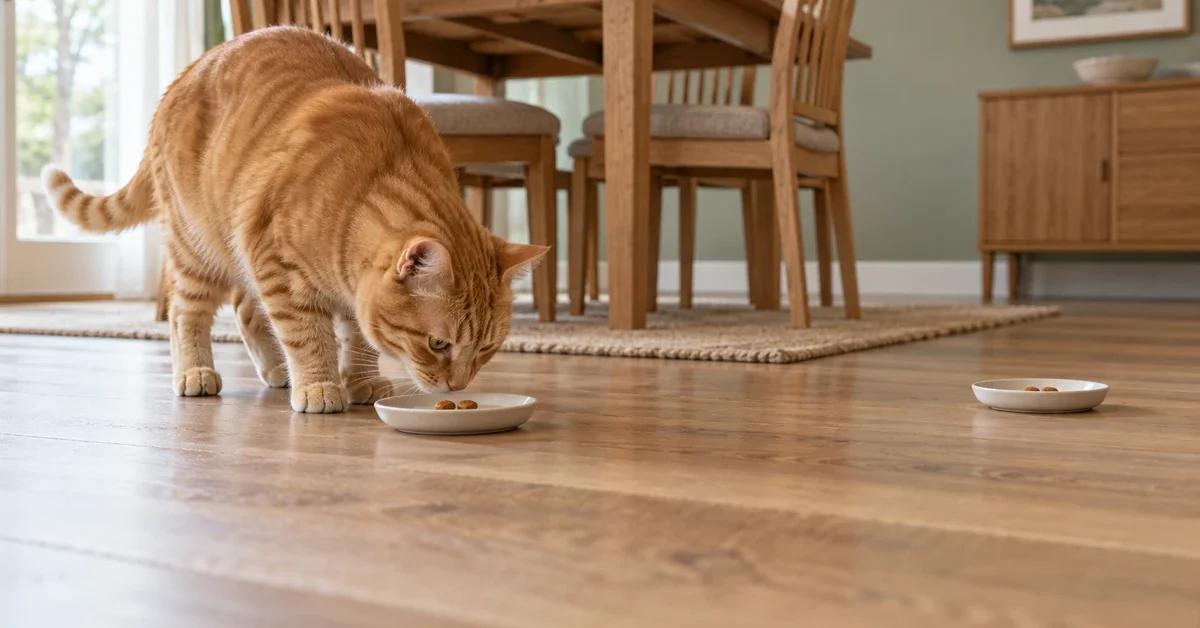
Turn a small part of your cat’s normal food into an achievable search. Learn where to place it, how to build confidence, and when to simplify or stop.