
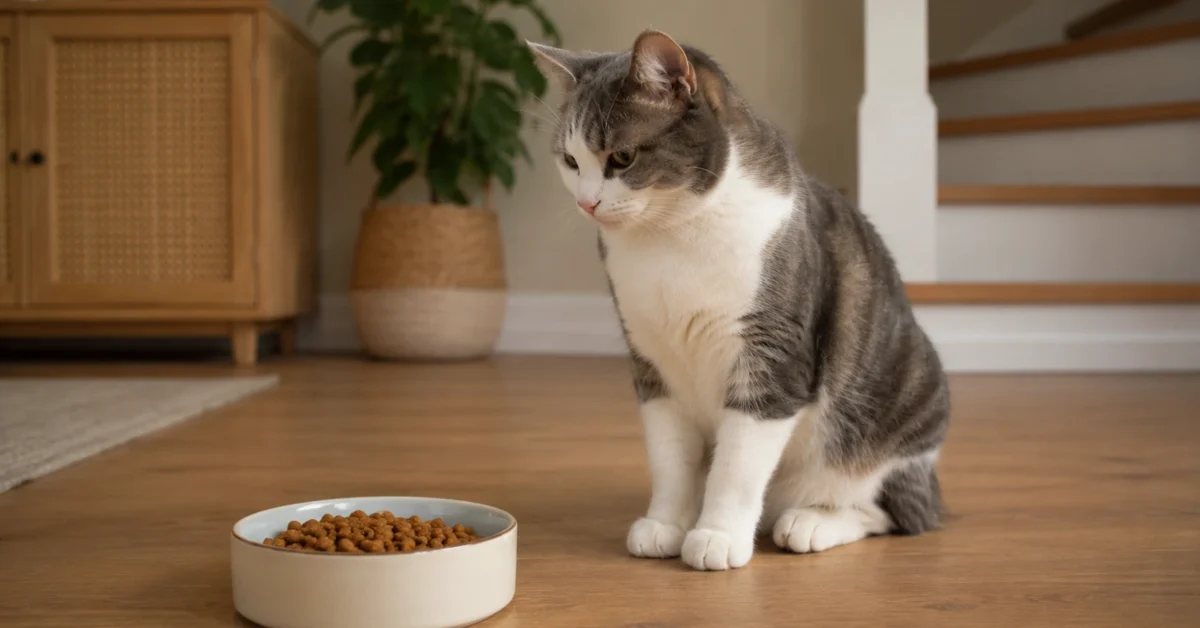
Why Is My Cat Not Eating? When to Worry
A cat not eating can be caused by stress, dental pain, nausea, illness, food changes, or environmental problems. Learn what to check, when to monitor, and when to contact a vet.
A cat not eating can be caused by stress, dental pain, nausea, illness, food changes, or environmental problems. Learn what to check, when to monitor, and when to contact a vet.
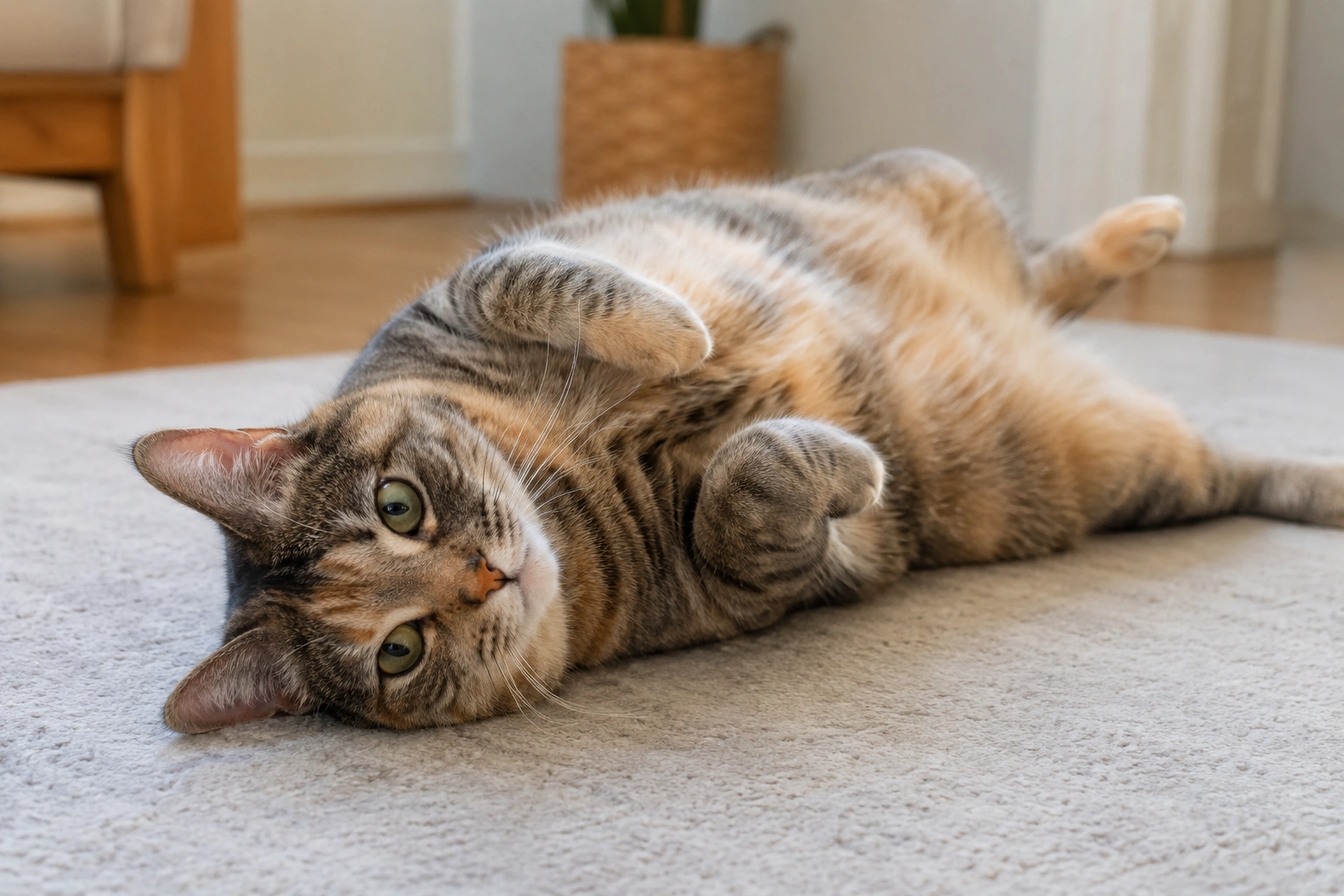
Cats may roll over when they see you as a greeting, a sign of trust, an invitation to interact, or a request for attention. Learn what this behavior means and whether your cat wants a belly rub.
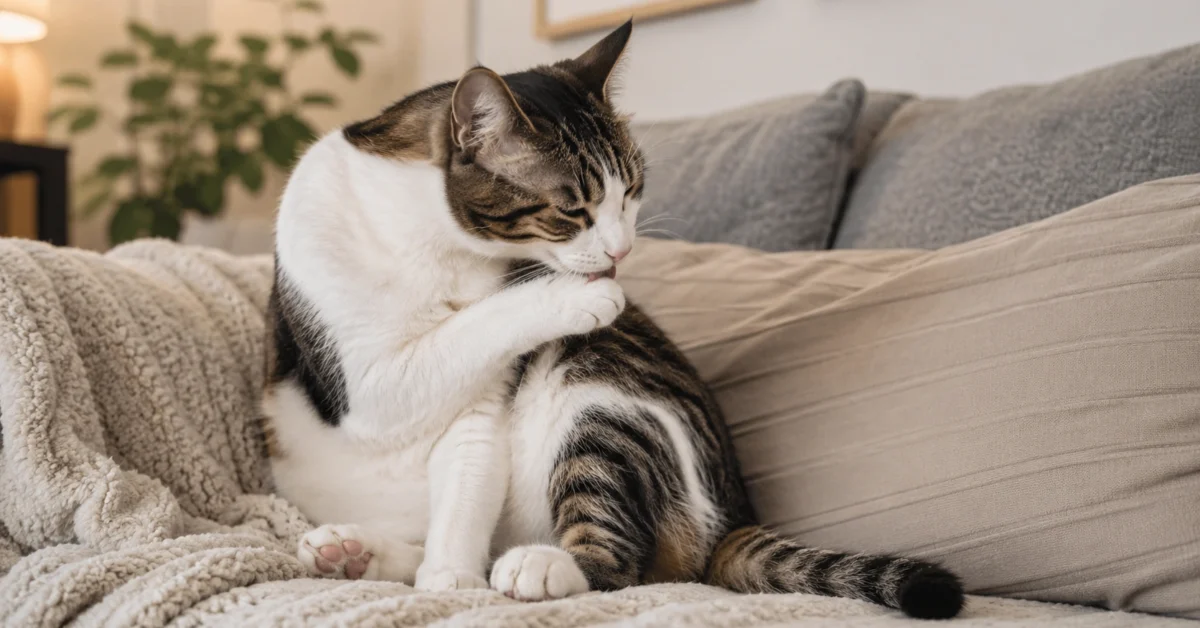
Cats may groom themselves after being petted to smooth their fur, restore their scent, relax, or respond to overstimulation. Learn what this behavior usually means and when it may signal discomfort.
Why Does My Cat Groom Themselves After I Pet Them? Read More »
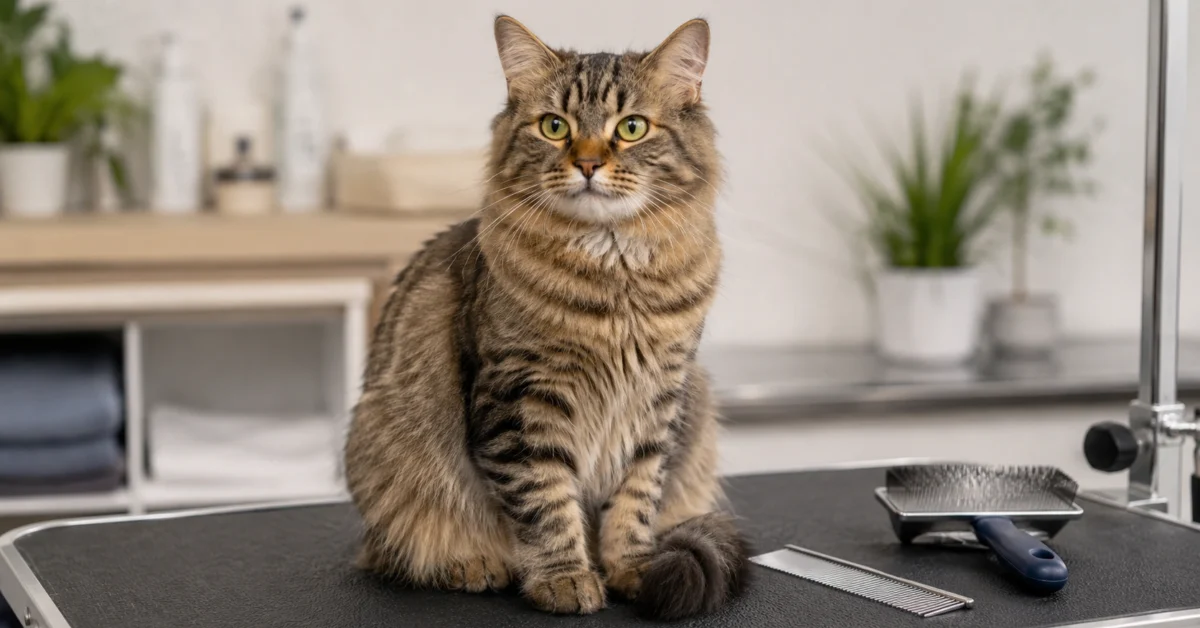
Most cats do not need regular professional grooming, but it may help long-haired, senior, overweight, disabled, or heavily matted cats. Learn when professional care is useful.
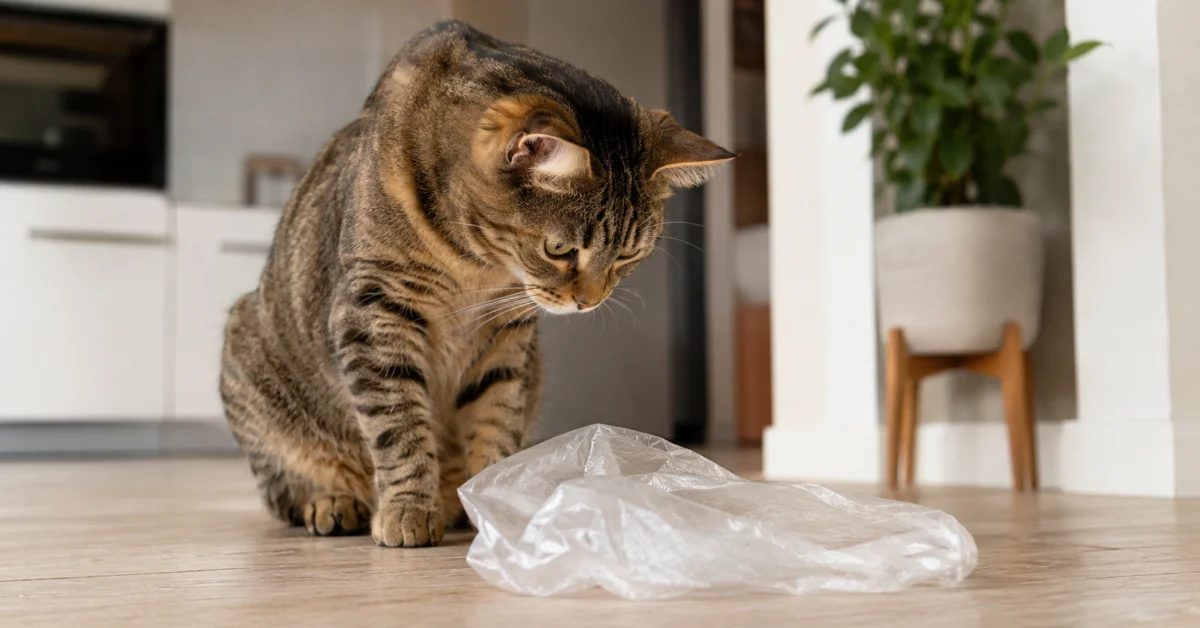
Cats may lick plastic because of its smell, texture, food residue, boredom, stress, or an underlying health issue. Learn what the behavior may mean, how to reduce access safely, and when to contact a veterinarian.
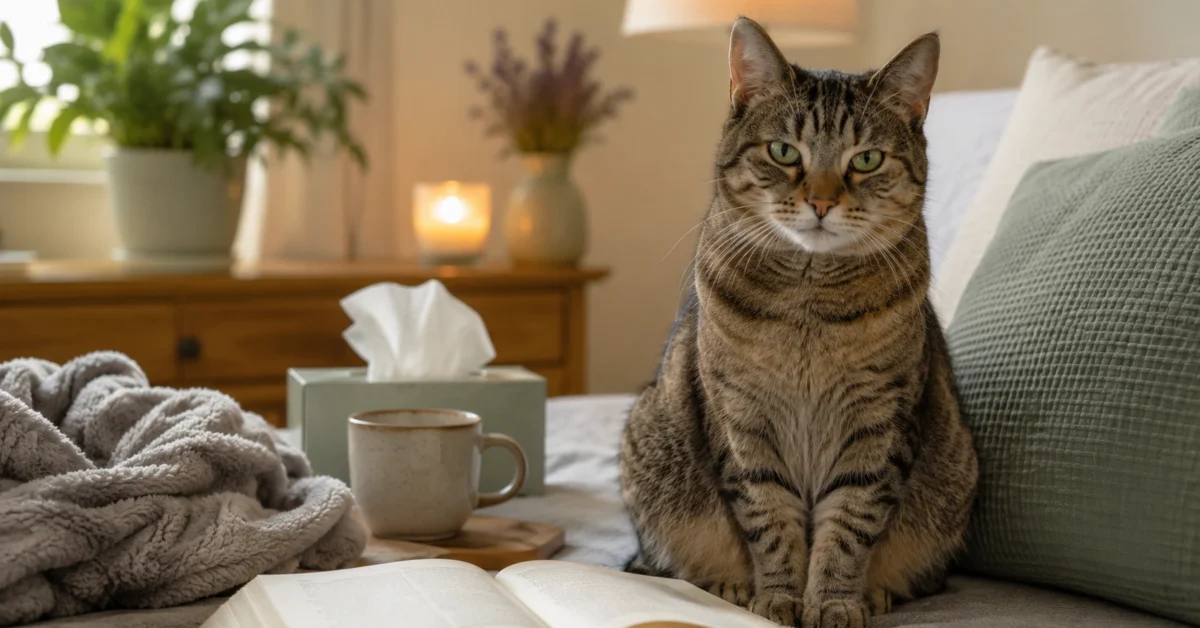
Cats may notice when you are sick by detecting changes in your scent, behavior, voice, movement, and daily routine. Learn what cats may understand and why some become more attentive.
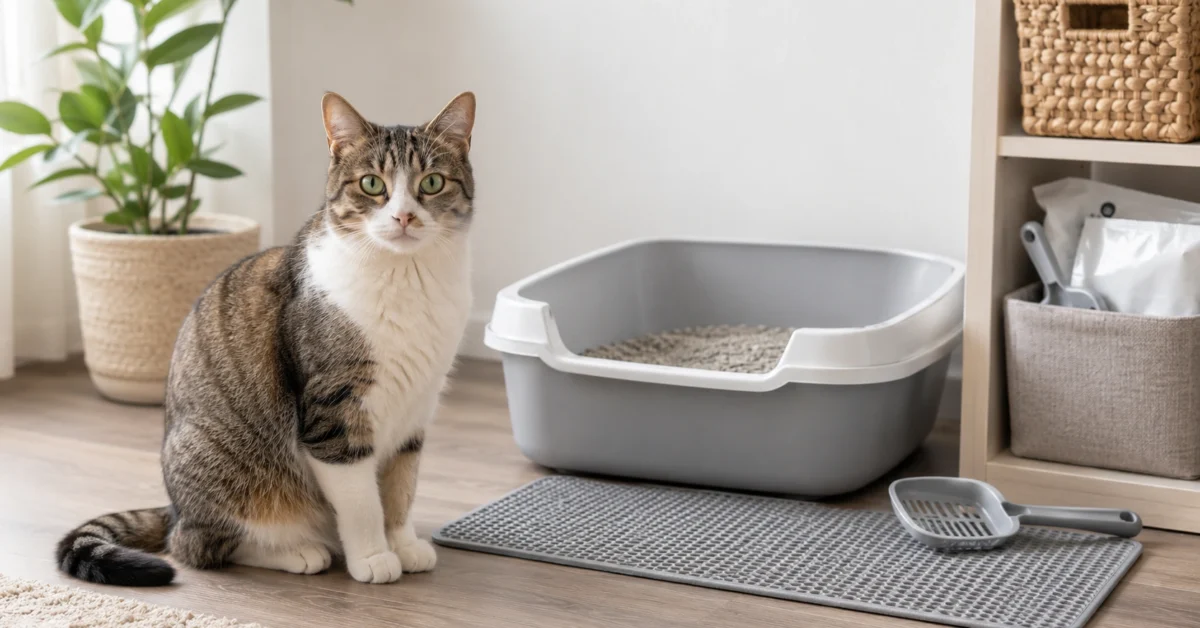
Some cat worms can infect people, although the risk is usually low with good hygiene, regular veterinary care, and proper parasite prevention. Learn how transmission happens and how to reduce the risk.
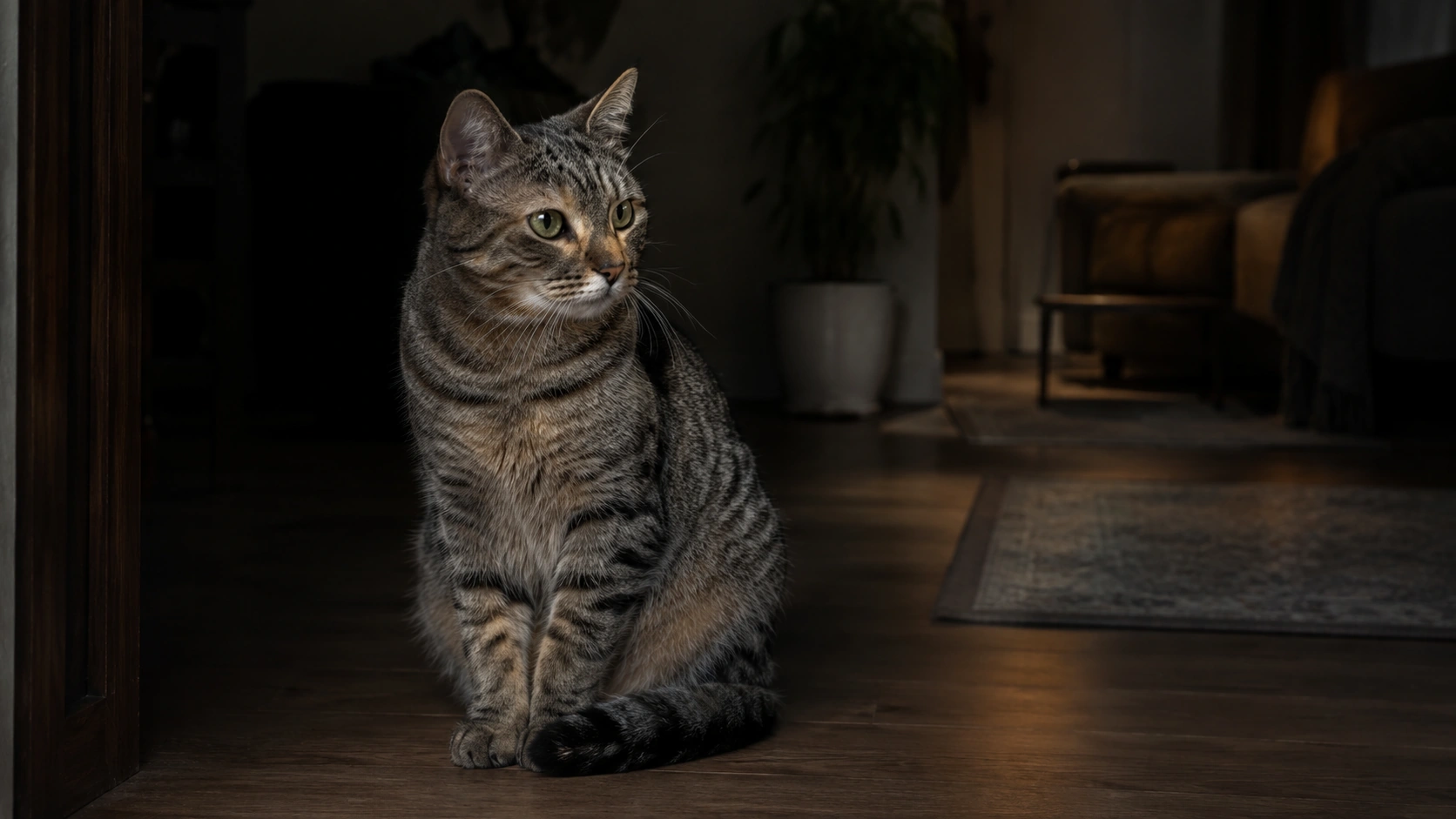
Cats can see much better than humans in low light, but they cannot see in complete darkness. Learn how feline night vision works and why cats still need some light to navigate.
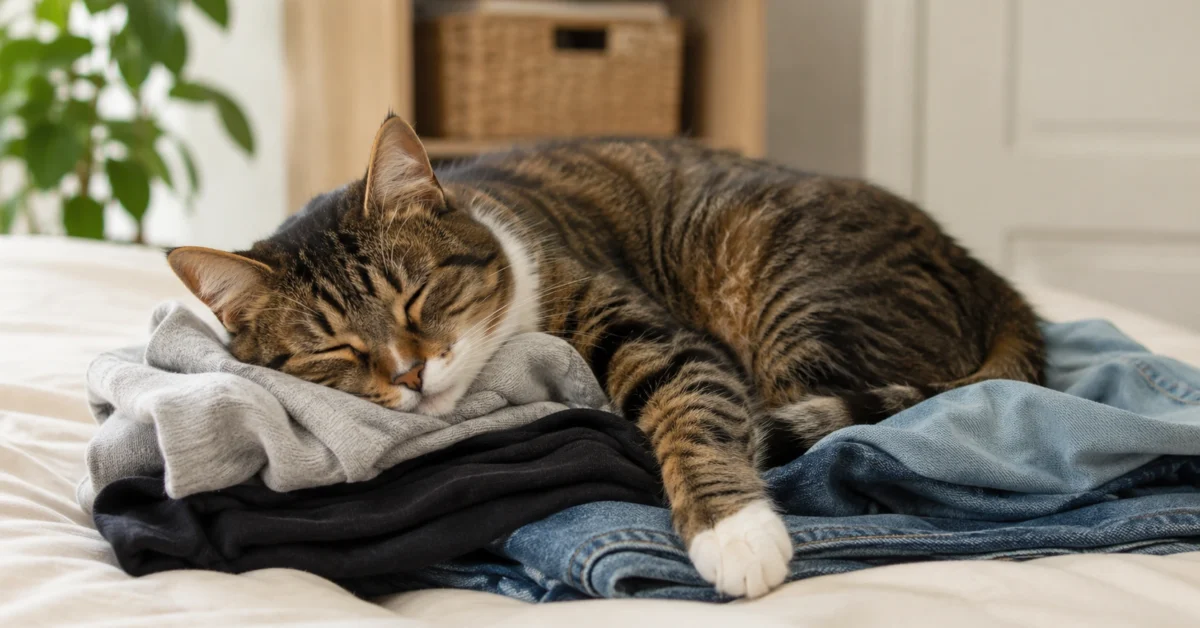
Cats often sleep on their owner’s clothes because they smell familiar, feel soft and warm, and provide a sense of comfort and security. Learn what this behavior means and when it might signal stress.
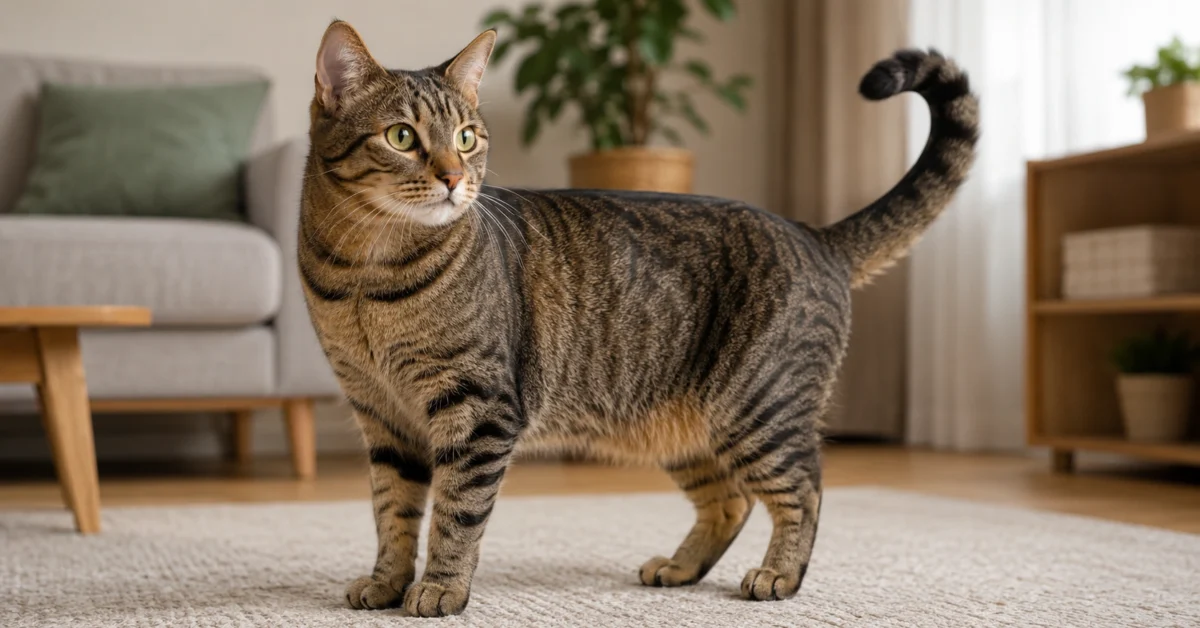
Cat body language can reveal how a cat is feeling through its ears, eyes, tail, posture, and movement. Learn what common signals may mean and when to give your cat space.